
Mali’s embattled leader assimi goïta holds power amid instability

Published today at 08:00 Reading time: 5 minutes.
File generated on
Mali’s leadership in turbulent times
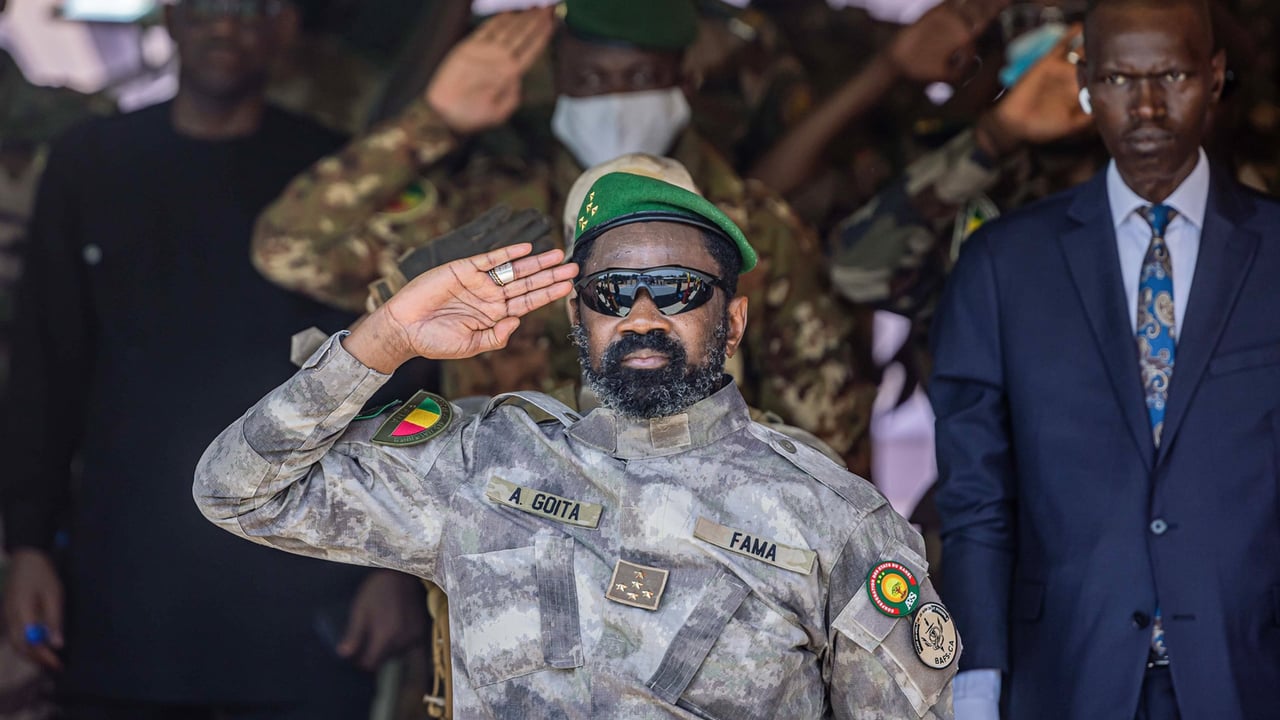
In the heart of Bamako, a nation grappling with deep political and security challenges has found itself under the firm grip of a single leader. Assimi Goïta, Mali’s head of state, stands at the center of this evolving landscape, his influence shaping the country’s trajectory amid uncertainty.
From military transition to enduring authority
Assimi Goïta first rose to prominence as a key figure during the nation’s military transition. His ascent to power followed a period of upheaval, marking a shift from civilian rule to military governance. Over time, his role has transcended temporary leadership, solidifying into a more permanent position.
This evolution reflects not just personal ambition but also the broader expectations of a population seeking stability in the face of persistent threats. With each passing month, Goïta’s decisions reverberate through the corridors of power, reinforcing his status as Mali’s most consequential leader.
Navigating a fragile political landscape
The path to power has been anything but smooth. Goïta has faced intense scrutiny, both domestically and internationally, as he steers the country through a maze of challenges. From security threats to economic pressures, his administration must balance immediate crises with long-term goals.
Public sentiment remains divided. Supporters praise his decisive actions in restoring order, while critics question the sustainability of his approach. The military’s role in governance continues to spark debate, raising questions about Mali’s democratic future.
Mali’s security dilemma under Goïta’s watch
No issue looms larger than national security. The country remains under strain from armed groups operating across vast regions, testing the resilience of state institutions. Goïta’s leadership is repeatedly measured against the effectiveness of counterterrorism efforts and the restoration of peace.
As funerals become a recurring reality—including that of his Defence Minister Sadio Camara—Mali’s struggles are laid bare. Each loss underscores the human cost of ongoing instability and the urgent need for solutions.
International relations and isolation
Mali’s foreign policy has also come under the microscope. Strained relations with regional and global partners have added another layer of complexity to Goïta’s leadership. The search for balanced alliances, while maintaining sovereignty, remains a delicate balancing act.
Diplomatic engagements often reflect the broader uncertainty gripping the nation. As Mali navigates this terrain, its choices will influence not just its own future but the stability of the entire Sahel region.
What lies ahead for Mali and its leader
The road ahead is fraught with challenges, but Assimi Goïta’s grip on power appears unshaken for now. Whether this strength will translate into lasting stability or further unrest remains an open question. One thing is certain: Mali’s fate is inextricably tied to the decisions made within its borders and beyond.
As the nation moves forward, all eyes remain on Bamako, where the weight of governance rests on the shoulders of a leader determined to reshape Mali’s destiny.