Can Côte d’Ivoire’s debt strategy truly secure the future of its children?
Debt as an investment in human capital: the Ivorian gamble
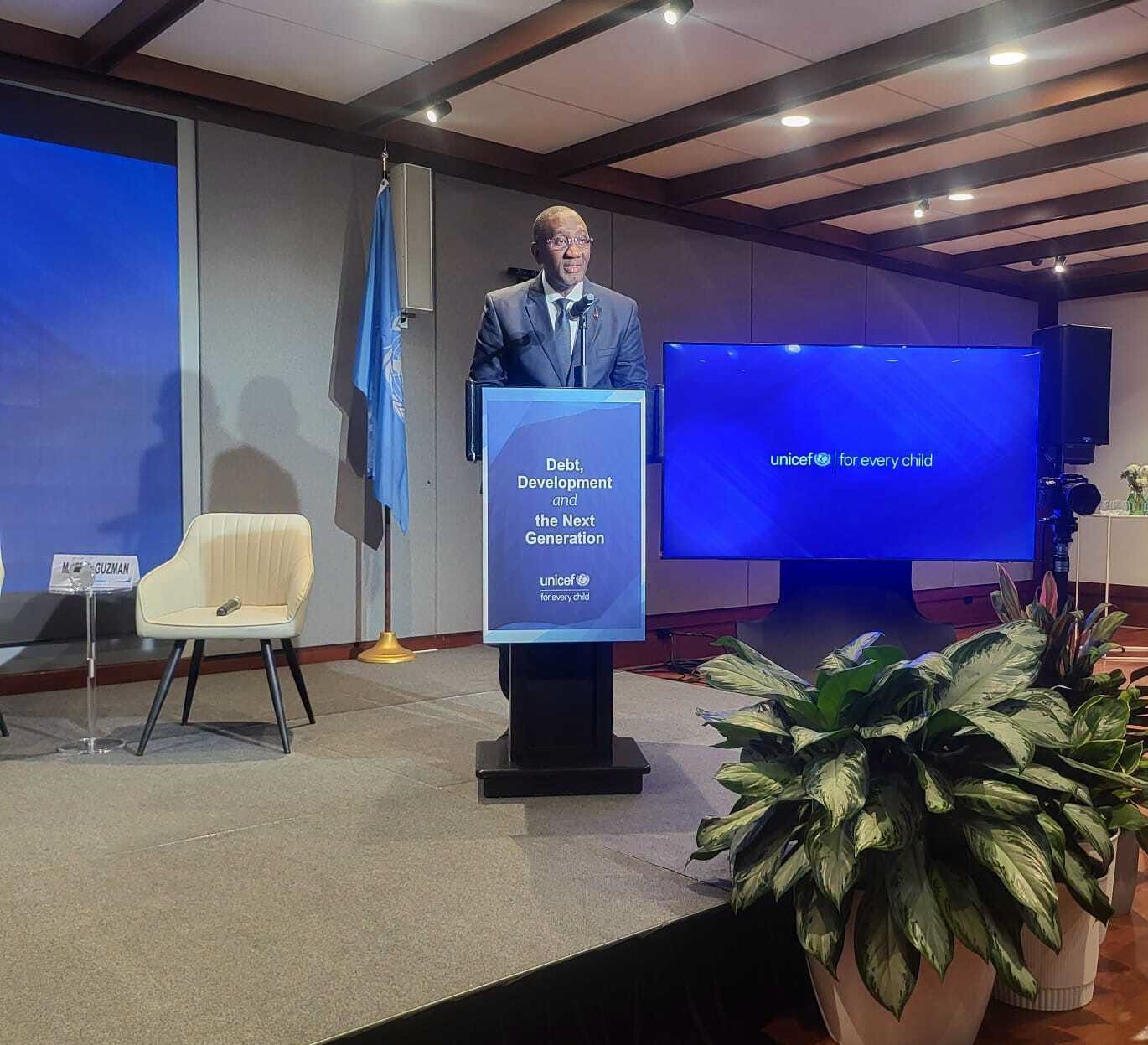
At a pivotal UNICEF forum in New York, Côte d’Ivoire’s Minister of Planning and Development, Dr. Souleymane DiarraSSouba, made a bold case: what if debt could be restructured not just as financial burden, but as a transformative lever for education and child welfare? The challenge facing nations worldwide is stark—nearly 400 million children live in countries where rising debt is outpacing critical investments in education, health, and nutrition. Côte d’Ivoire has taken a strategic step forward by reimagining how debt can serve human development, positioning itself as a pioneer in West Africa with the region’s first sovereign sustainability-linked loan.
From debt sustainability to academic achievement: a new financial model
In 2025, Côte d’Ivoire adopted a groundbreaking financing framework tied to measurable outcomes in renewable energy and forest restoration—securing a €433.3 million loan whose terms adjust based on performance. Now, the country is exploring an even bolder idea: linking debt servicing to educational outcomes. Imagine a loan where interest payments depend on national learning progress. The concept—discussed at the Learn AI Global Compact summit—relies on robust, verifiable learning indicators and strict financial safeguards. It’s not just about debt reduction; it’s about debt reorientation toward tangible social impact.
The framework demands reliable data systems, transparent governance, and child data protection—key pillars Côte d’Ivoire insists must accompany any such financial innovation. With the 2026–2030 National Development Plan (NDP) prioritizing digital transformation and AI in education, the nation is laying the groundwork for a future where education financing is as dynamic as the classroom itself.
When debt becomes a force for education and equity
The global narrative often frames debt as a constraint, but Côte d’Ivoire is challenging that assumption. At the UNICEF high-level meeting on debt, development, and future generations, Minister DiarraSSouba emphasized that the impact of debt lies not in its existence, but in how it is structured, allocated, and costed. A ‘human-faced debt,’ he argued, is one that directs financial flows toward health, education, and child protection—not away from them.
The 2026–2030 NDP reflects this philosophy. It elevates human capital as a cornerstone, setting ambitious targets for maternal and child health, universal health coverage, social protection, and improvements in the Human Capital Index. It’s a holistic vision where debt management is not just fiscal prudence—it’s social progress.
Debt swaps that free up classrooms: the 2024 breakthrough
In 2024, Côte d’Ivoire executed a debt-for-development swap with the World Bank Group, refinancing nearly €400 million in commercial debt and unlocking €330 million in budgetary resources over five years. A substantial portion of these funds has been channeled into education through national budget mechanisms. This wasn’t debt cancellation—it was debt reengineering. This strategy doesn’t erase obligations; it repurposes them to build schools, train teachers, and expand access to learning.
The message is clear: sustainable debt is not about avoidance. It is about alignment. It is about ensuring that every euro borrowed today yields measurable benefits tomorrow—especially for the youngest citizens.
A vision for future generations: balancing books and futures
Côte d’Ivoire’s approach is not a one-off experiment. It is a comprehensive strategy where debt sustainability, human development, and innovation converge. The country is not just managing liabilities—it is using them to fund aspirations. By anchoring financial instruments to results in renewable energy, forest restoration, and now potentially education, it is redefining what sovereign borrowing can achieve.
The 2026–2030 NDP is more than a policy document—it is a declaration of intent. It commits to leveraging technology, strengthening monitoring systems, and fostering partnerships with global initiatives like the Learn AI Global Compact to build verifiable, child-centered learning indicators. The goal? A generation of learners empowered by quality education, supported by a financial system that works for them, not against them.
What’s next: turning debt into destiny
The road ahead demands vigilance. Reliable data, strong governance, and adaptive risk management are non-negotiable. But the potential is undeniable. If Côte d’Ivoire succeeds in linking debt repayments to educational outcomes, it could set a precedent across Africa and beyond—a model where financial instruments don’t just fund development, but are the development.
As Dr. DiarraSSouba articulated, a ‘human-faced debt’ is not about erasing obligations—it’s about embedding humanity into them. And in that transformation lies the future of Côte d’Ivoire’s children.