Can Washington accept Tehran’s 7-day Hormuz deal before the oil crisis spirals?
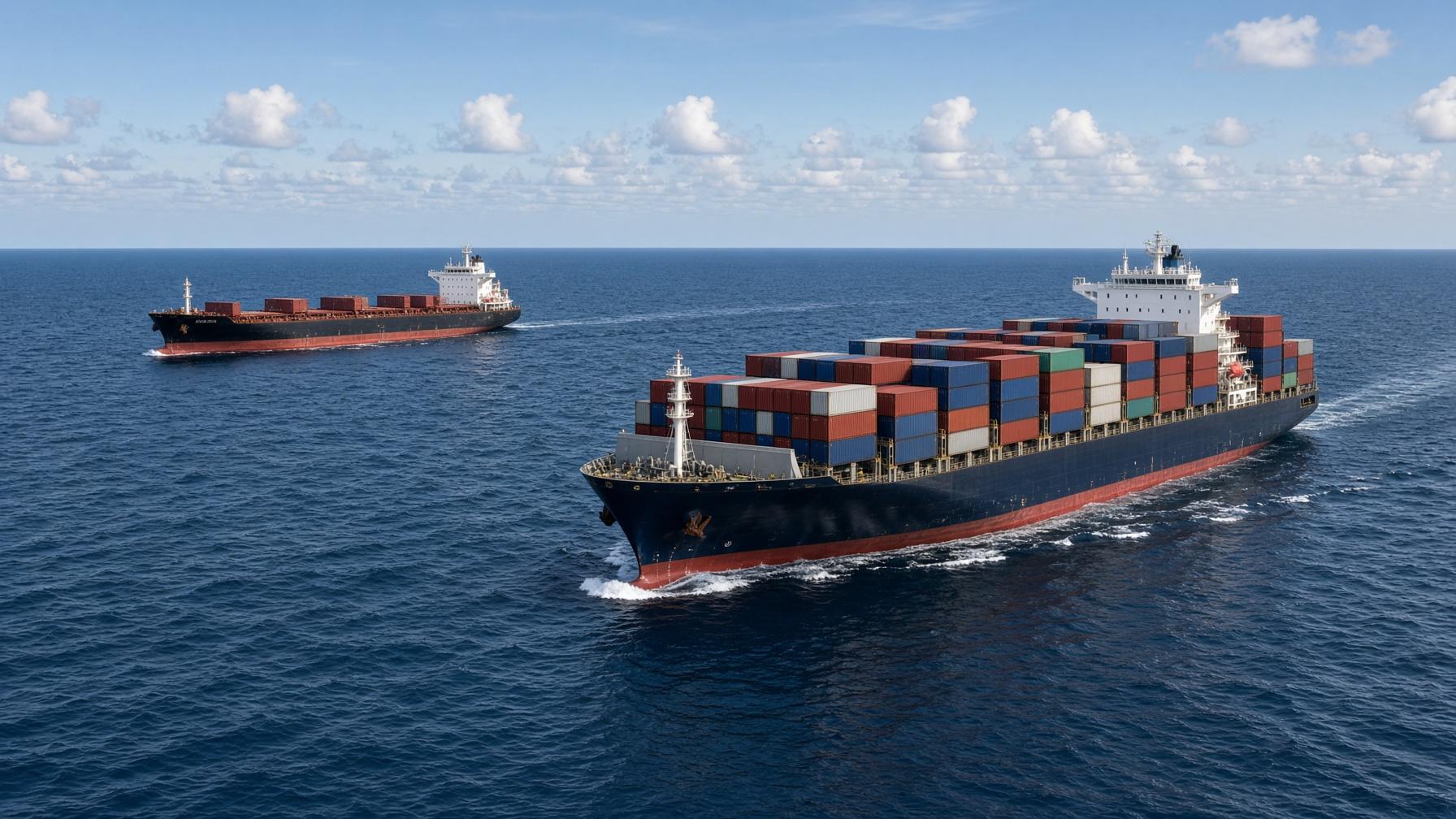
At the United Nations headquarters in New York, Iranian Foreign Minister Abbas Araghchi has dropped a diplomatic bombshell: Tehran is offering to restore maritime traffic through the Strait of Hormuz within seven days, but only if Washington agrees to a swift, high-stakes bargain. The proposal, formally handed to U.S. envoy Steve Witkoff on Tuesday, comes as the virtual blockade of the world’s most critical oil chokepoint threatens to push the global economy into a tailspin.
What exactly is Iran proposing?
Araghchi, speaking to a crowd of international journalists on the sidelines of the UN General Assembly, confirmed that a concrete offer is now on the table. The ball, he said, is squarely in the White House’s court. The plan would see Iran halt its disruption of shipping through the strait—a narrow waterway just 33 kilometers wide at its narrowest point—within one week, provided certain conditions are met.
The exact text remains classified, but the Iranian foreign minister made clear that reopening Hormuz will not come for free. Tehran is demanding an immediate end to strikes on its strategic infrastructure, a targeted easing of economic sanctions, and firm guarantees regarding the withdrawal or redeployment of Western naval forces in the Gulf.
Why the strait matters: a lifeline for the global economy
Roughly one-fifth of the world’s crude oil and a third of its liquefied natural gas normally pass through Hormuz every day. Since Iran began disrupting traffic in response to the recent escalation, the consequences have been swift and severe.
- Oil prices have surged: Brent crude has spiked dramatically, crossing alarming thresholds as fears of a sustained supply crunch fuel speculation. Analysts warn of a potential oil shock reminiscent of the 1970s.
- Shipping and insurance costs have skyrocketed: Maritime insurers have hiked war-risk premiums to prohibitive levels—or refused to cover tankers altogether—amid threats of attacks, seizures, and missile fire.
- Rerouting around Africa adds weeks and billions: Many shipowners are ordering vessels to avoid the Gulf entirely, sending them around the Cape of Good Hope. The detour adds at least two weeks to journeys and ties up global fleet capacity.
- Inflation risks are mounting: Rising fuel and freight costs are already feeding into global supply chains. For consumers in Europe and Asia, the prospect of another inflation wave and fuel shortages at the pump is becoming very real.
Tehran’s strategic gamble
For Iran, control over Hormuz has once again proven to be its ultimate deterrent. By threatening freedom of navigation in this vital artery, the Islamic Republic is seeking to convert its military isolation into political leverage against Washington and its allies.
“We are not seeking to perpetuate the closure of the strait, but the security of our waterways is inseparable from the overall security of our nation,” Araghchi told reporters.
The White House’s impossible choice
In Washington, the Iranian offer presents the administration with a major strategic dilemma. Rejecting it would mean owning the prolongation of an energy crisis that is destabilizing both the U.S. and global economies at a politically delicate moment. Accepting Tehran’s terms within seven days, however, could be seen by regional allies as capitulating to maritime blackmail.
So far, U.S. diplomacy has not publicly responded to the details of the plan delivered to Witkoff. International chancelleries—particularly in Asia, where China, Japan, and South Korea are the top customers for oil passing through the strait—are ramping up pressure on both sides to find a compromise without delay.
What happens next?
The coming week will be decisive. Between the hope of a rapid diplomatic de-escalation in New York and the fear of a prolonged conflagration in the Gulf, the fate of the global economy now hinges on a few nautical miles.