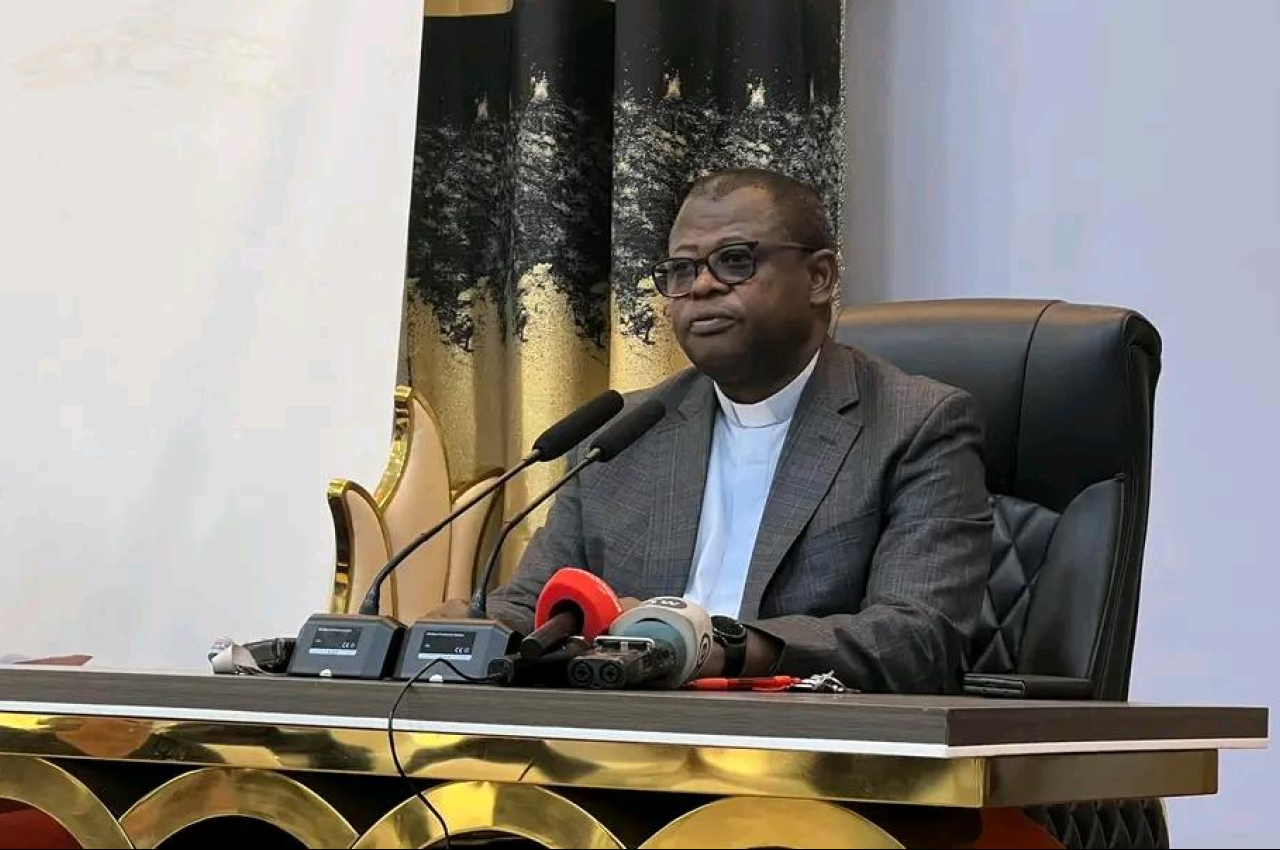
The Article 64 coalition, which is actively resisting the proposed constitutional changes in the République démocratique du Congo (RDC), has just gained a formidable ally. The National Episcopal Conference of Congo (CENCO) has taken a clear and firm stand against the project. This initiative is widely seen as a maneuver to allow President Félix Tshisekedi to seek a third term, which would directly violate current constitutional provisions limiting presidential mandates to two. The Church warns that such a political move places the entire nation in jeopardy.
The risks of ignoring religious warnings
According to the Church, any attempt to force through these changes carries immense risks, including the potential balkanization of the territory. Religious leaders have issued a stirring call to the Congolese people, stating that the country is in a fragile state and that citizens must take charge of their own destiny to protect their future. Beyond this appeal to the public, the CENCO has specifically urged Félix Tshisekedi to remain faithful to his oath to uphold and protect the Constitution.
Whether this message will be heeded remains to be seen. However, it is certain that the current administration will not welcome this intervention. The Church’s statement comes shortly after Parliament approved a referendum law, essentially giving the executive branch the green light to move forward with constitutional changes. The government appears set on its course, raising the question of whether the clergy’s warnings are falling on deaf ears or if Félix Tshisekedi will experience a change of heart.
A growing front against the administration
While the Catholic prelates maintain they are not officially joining the political opposition, their decisive stance provides significant momentum to those fighting the amendment. The President would be making a mistake by ignoring these voices. The emergence of multiple opposition fronts could seriously weaken his administration and lead to damaging consequences. As advocates for peace, the bishops cannot remain silent on a project that threatens to divide the Congolese people and spark widespread unrest.
The CENCO’s involvement puts Félix Tshisekedi in a difficult position. Unlike the political opposition, which has already faced violent crackdowns during protests, the Church represents a powerful segment of civil society. The clergy has even hinted at future actions, suggesting that the President’s path forward will not be smooth.
Lessons from the past
Félix Tshisekedi should remember that he once benefited from the Church’s influence. In 2017, it was the Catholic Church that played a key role in forcing Joseph Kabila to abandon his plans to extend his stay in power. If the current leader wishes to leave a positive legacy, he must weigh his options carefully. With the ongoing conflict in the East and the persistent threat of Ebola, the people of the RDC are already enduring enough hardship without the added burden of political instability.