Why the timing is wrong for a constitutional referendum in a nation at war
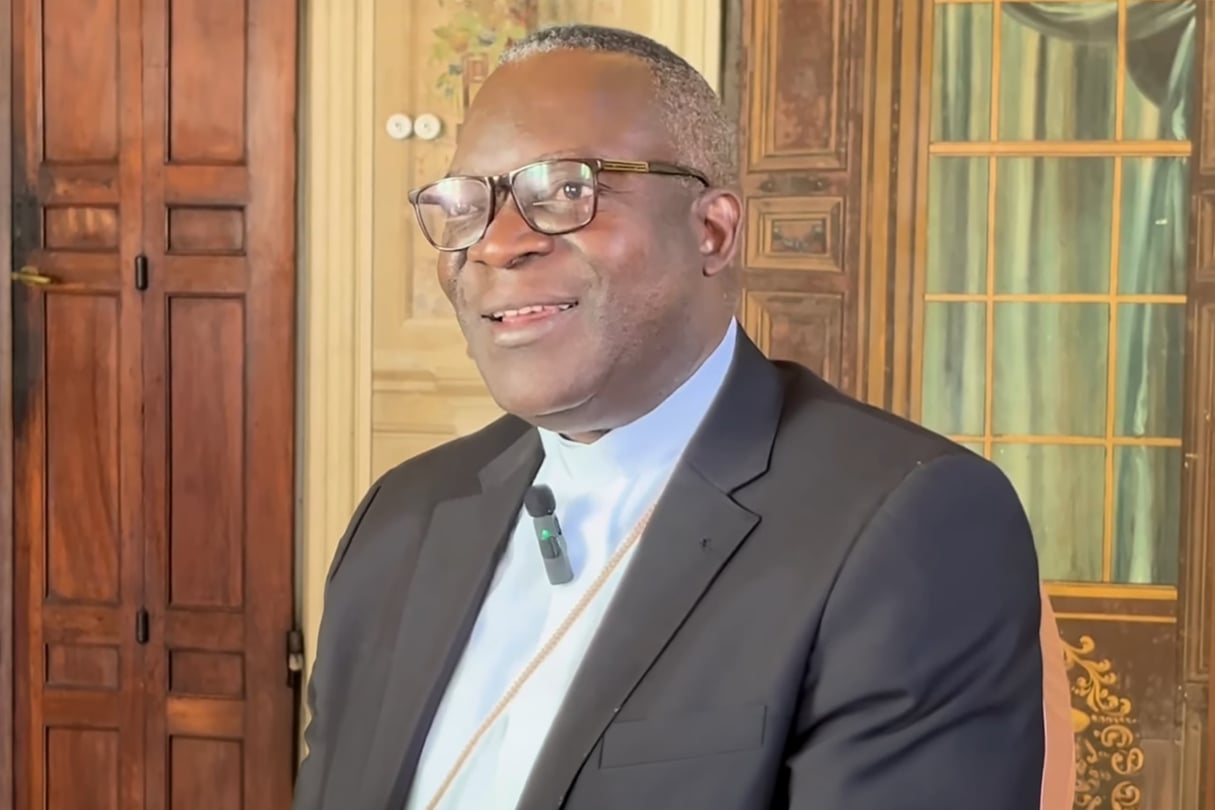
The President of the National Episcopal Conference of Congo (Cenco), Monseigneur Fulgence Muteba, has voiced strong opposition to the proposed constitutional referendum. In his view, the current moment is deeply inopportune, as the Democratic Republic of Congo remains embroiled in conflict.
During a recent address, Muteba emphasized that national priorities must shift toward restoring peace and stability before any major constitutional changes are considered. He cautioned that proceeding with the referendum under these circumstances could further destabilize an already fragile situation.
Key concerns raised by religious leaders
The Cenco has long played a pivotal role in mediating disputes and advocating for social cohesion in the DRC. Muteba highlighted several critical issues that make the referendum ill-timed:
- Security challenges: Ongoing clashes between government forces and armed groups, particularly in eastern regions, pose a severe threat to the safety of citizens. Holding a referendum in such an environment risks excluding millions from participating.
- Humanitarian crisis: Displacement and food insecurity affect millions, diverting attention from political processes. The Church argues that addressing these crises should take precedence over constitutional amendments.
- Lack of broad consensus: Major political factions, including former President Joseph Kabila and current leader Félix Tshisekedi, remain deeply divided. The Church warns that pushing ahead without consensus could deepen political fractures.
- International implications: Neighboring countries and global partners have expressed concerns over the timing. The Church urges dialogue to ensure any reforms reflect the will of the people rather than external pressures.
A call for inclusive dialogue
Muteba stressed that the Church is not opposed to constitutional reform in principle but insists it must occur within a framework of peace and inclusivity. He proposed an alternative approach: a national dialogue involving all stakeholders to build a shared vision for the country’s future.
The Episcopal Conference has reiterated its commitment to supporting a peaceful and participatory process, provided it aligns with the nation’s immediate needs. Muteba concluded by urging the government to prioritize the cessation of hostilities and the resumption of humanitarian aid before embarking on such a pivotal political endeavor.