Politics
Controversy erupts over Macky Sall’s visit to Senegal as victims demand accountability
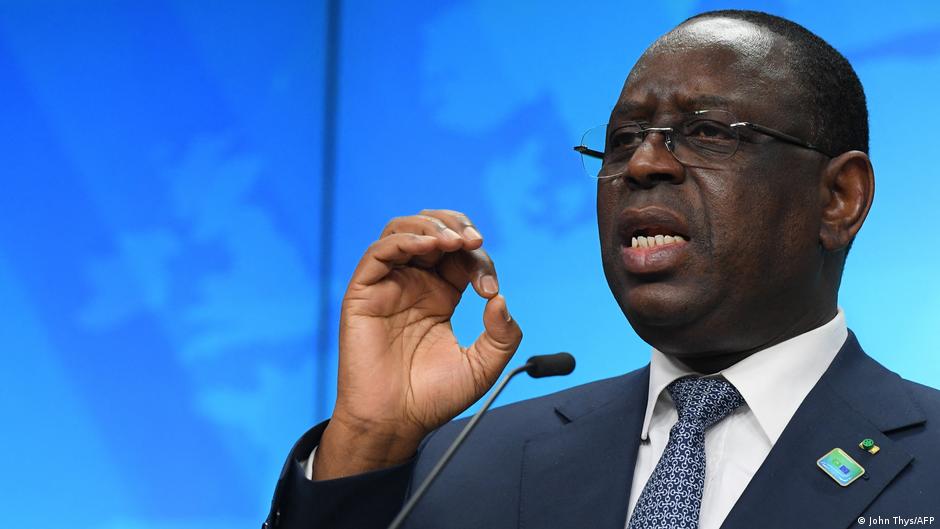
Macky Sall’s return to Senegal on Friday, July 17, 2026 has sparked widespread outrage, with victims of political repression and their families accusing the former president of insulting their pain by even setting foot in the country.
Salimaa Thiam, whose son Ousmane Dia died during the violent political unrest under Sall’s administration, expressed her anguish:
“Learning of Macky Sall’s visit reopens a wound I haven’t healed from. My son was killed in those political events, and now I’m forced to confront his absence all over again.”
“We don’t want Macky Sall in this country because he is responsible for our suffering. Had he done nothing, he would be welcome like any other son of this nation. But not him—not here.”
The Collective of Victims of Macky Sall released a statement condemning the government’s decision to allow the visit, calling it a deliberate insult to those who suffered during the crackdowns of 2021 and 2024.
Voices of resistance rise from victims and activists
Mabinta Bibi Djiba, a former political prisoner detained twice—in 2021 and 2024—before being released under electronic monitoring, emphasized the need for justice over reconciliation:
“President Diomaye Faye speaks of reconciliation, but justice must come first. Before healing, we must assign responsibility.”
Guy Marius Sagna, a lawmaker from the Pastef party, accused the current administration of betrayal. He argued that not only has justice failed the victims, but the government appears to be endorsing Sall’s candidacy for UN Secretary-General.
“President Bassirou Diomaye Faye promised never to disappoint us. What a disappointment it is to learn that the President of Senegal would welcome our oppressor—the architect of torture, political assassinations, and unlawful detentions from 2021 to 2024.”
Professor Adama Sadio, a political science expert at the Cheikh Anta Diop University in Dakar, highlighted the political dimensions of the controversy:
“This is a political issue. The victims are often labeled as militants or supporters of the opposition Pastef party. Anything that undermines President Diomaye or weakens his position will be exploited without hesitation.”
Government stands by its decision
The Presidential Palace has defended the visit, stating it aligns with diplomatic and national interests. However, critics argue that welcoming a leader accused of grave human rights violations sends a message of impunity.
As debates intensify, the nation remains deeply divided—between those seeking closure and others determined to hold the powerful accountable.