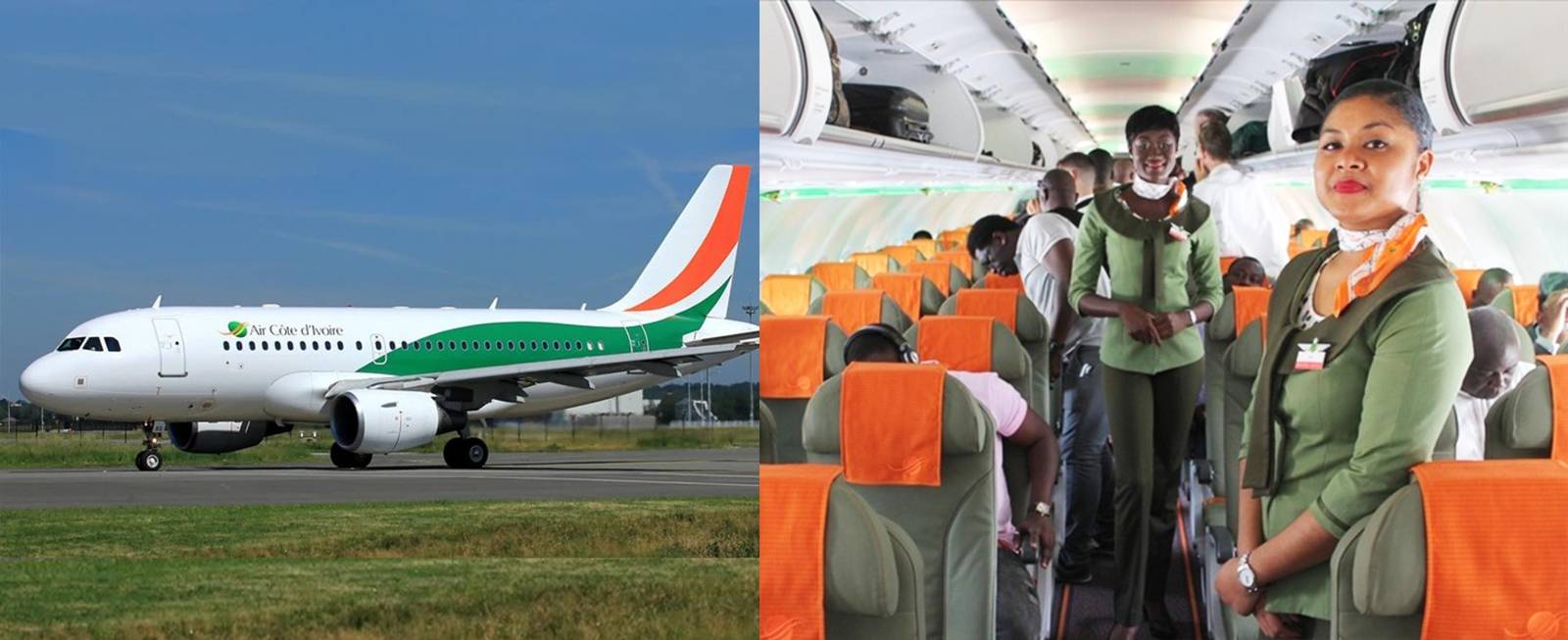
The Ivorian government is implementing a significant policy shift. To invigorate the national carrier, Air Côte d’Ivoire, and foster greater accessibility within the aviation sector, a substantial 25% reduction in passenger levies has been officially sanctioned.
This measure signals a profound commitment to the aviation industry. By enacting a quarter reduction in airport charges, the Ivorian administration is not merely making a symbolic gesture; it is initiating a transformative strategic reform designed to sustainably elevate the nation’s air transport capabilities.
Why is this reduction pivotal?
The composition of an airline ticket’s final price often appears opaque to travelers. In reality, a considerable portion of this cost comprises various taxes and surcharges, which are directed not to the operating airline but to the state and airport management entities.
By addressing these financial components, the government is activating two principal catalysts:
- Enhanced Traveler Affordability: The decrease in levies directly translates into lower ticket prices. Air travel, previously considered an exclusive luxury, is progressively becoming more attainable for a broader demographic.
- Air Côte d’Ivoire’s Competitive Edge: In an intensely competitive global aviation market, the national airline now possesses a crucial pricing advantage to attract a larger passenger base and optimize aircraft occupancy.
Abidjan, a future West African aviation hub
This policy is not an isolated initiative but forms part of a grander strategic vision: to establish Félix Houphouët-Boigny International Airport in Abidjan as a premier regional aviation hub.
Officials have previously noted the significant burden of air transport taxation, which impeded citizen mobility and hindered the expansion of our national airline. This 25% reduction is set to dismantle a primary barrier to growth.
By making ‘Abidjan’ a more economically viable destination for both airlines and passengers, Côte d’Ivoire aims to significantly increase its share of traveler traffic across West Africa and beyond.
Key Implications:
- Policy Adjustments: A 25% decrease in fees, direct support for Air Côte d’Ivoire, and the pursuit of a regional hub status.
- Core Objectives: To reduce airfare costs, fortify the national airline, and position Abidjan as a central air travel nexus.
- Primary Beneficiaries: Both domestic and international passengers, the broader Ivorian economy, and the nation’s regional prominence.