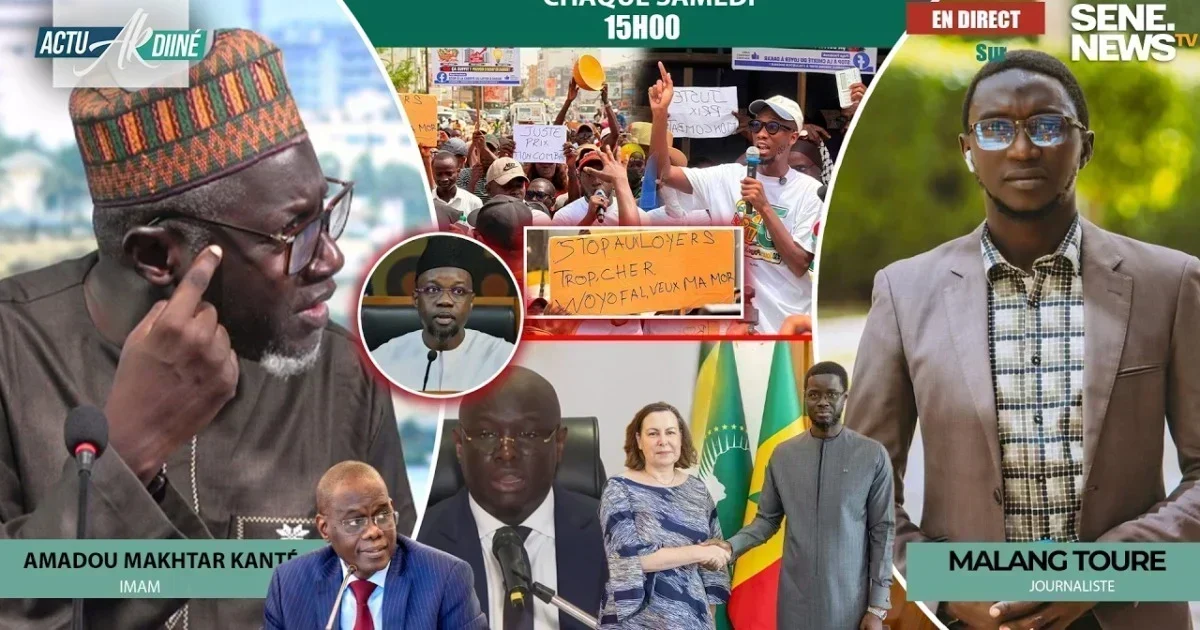
As debates intensify over financial resource management and economic sovereignty, this discussion sheds crucial light on the decisions that lie ahead.
Understanding the IMF loan and Senegal’s economic path
The recent approval of a substantial loan from the International Monetary Fund to Senegal has sparked widespread discussion among policymakers and citizens alike. The funding, aimed at revitalizing cooperation between the country and the global financial institution, comes at a time when the government, led by Prime Minister Ousmane Sonko, is pushing forward with an ambitious reform agenda.
Sonko’s vision and the role of external financing
Prime Minister Sonko has consistently emphasized the need for greater economic sovereignty, advocating for a more cautious approach to external borrowing. His administration’s projects focus on structural reforms, transparency in public finance, and reducing dependency on foreign aid. However, the IMF loan presents a delicate balance: while it provides necessary liquidity, it also raises questions about conditionalities and long-term fiscal implications.
The Prime Minister’s recent statements suggest a willingness to engage with international partners, but on terms that align with Senegal’s national interests. Analysts note that the loan could support infrastructure development, social programs, and efforts to stabilize the economy amid global uncertainties.
Political reactions and public debate
The announcement of the loan has reignited political tensions, with opposition figures questioning the timing and terms of the agreement. Some argue that the government should prioritize domestic resource mobilization over external debt, while others see the IMF partnership as a pragmatic step toward economic recovery.
In the National Assembly, discussions have been heated, with lawmakers demanding greater clarity on how the funds will be utilized. Civil society organizations have also weighed in, urging the government to ensure that the loan benefits ordinary citizens and does not compromise Senegal’s long-term development goals.
Looking ahead: Economic sovereignty vs. international cooperation
As Senegal navigates this complex landscape, the debate over the IMF loan and Sonko’s projects reflects broader questions about the country’s economic direction. Will the government manage to reconcile its sovereignty ambitions with the practical need for external support? The coming months will be critical in determining whether this financial partnership translates into tangible progress or becomes a source of further contention.