
Gabon faces severe electricity production slump in early 2026
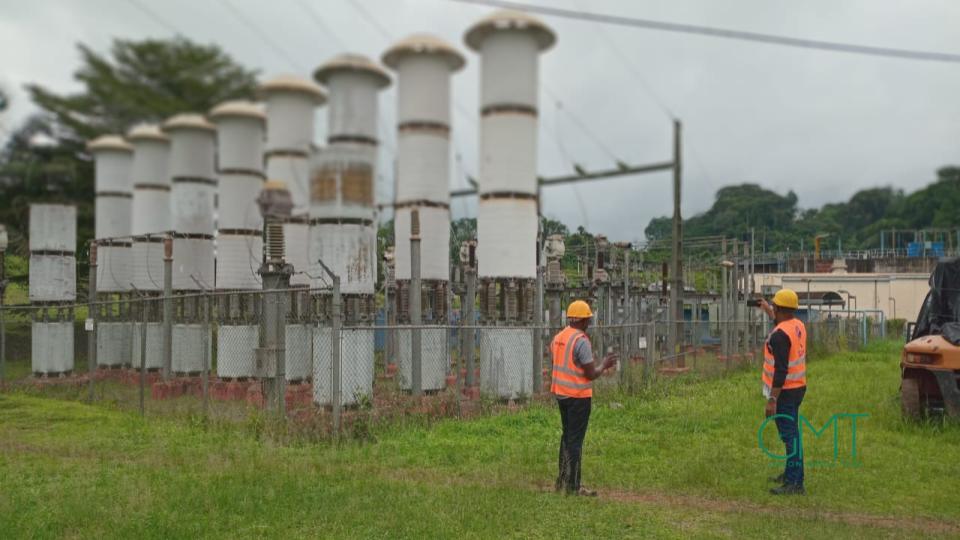
The first quarter of 2026 witnessed a dramatic plunge in electricity generation, with output plummeting by 13.2% compared to the previous quarter and a staggering 20.1% year-on-year drop. These figures, highlighted in the latest Sectoral Conjuncture Report from the General Directorate of Economic and Fiscal Policy (DGEPF), expose a deep-rooted systemic vulnerability that citizens have long endured.
The report attributes the decline to a series of critical equipment failures, with maintenance shortfalls identified as the root cause. Beneath the formal administrative language lies a harsh truth: years of chronic underfunding in the national power grid’s upkeep have left the system dangerously exposed to breakdowns.
As deferred maintenance and hasty repairs accumulate, the network’s resilience continues to erode, pushing it ever closer to total collapse.
Power outages cripple water supply across the country
The impact of these electricity shortages extends far beyond darkened homes and stalled appliances. According to the DGEPF report, recurring power cuts are now wreaking havoc on the water supply infrastructure. Mechanical seal leaks and repeated pump failures have become commonplace, while electrical surges prematurely degrade equipment already operating at peak capacity.
This dangerous interdependence between essential services reveals a troubling reality: the electricity crisis is no longer just an inconvenience or an economic burden—it is directly undermining access to clean drinking water for thousands of households. By simultaneously threatening two of the country’s most vital utilities, the situation underscores that the problem transcends a single operator’s failures, imperiling the entire national infrastructure. Without an immediate and sustained emergency plan to modernize these aging systems, Gabon risks descending into a cycle of widespread, long-term disruptions.