Gabon reshapes military legacy with historic base renaming
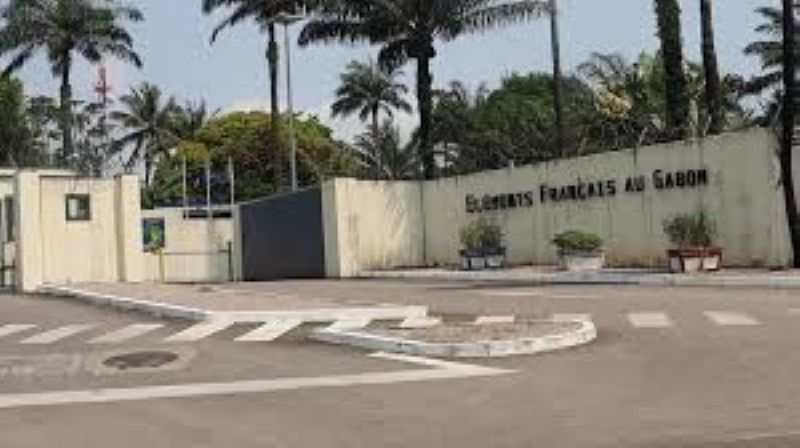
Libreville, June 3, 2026 — When President Brice Clotaire Oligui Nguema announced the impending transformation of Camp de Gaulle, he wasn’t merely altering the name of a military installation. He was signaling a pivotal shift in Gabon’s relationship with its past and its strategic future.
Administrative decisions often carry deeper implications than their surface appearance suggests. The president’s announcement during a national address exemplifies this principle. The iconic Camp de Gaulle, long a symbol of French military presence in Gabon, is set to undergo a significant rebranding. While this may appear symbolic at first glance, its implications span political, historical, and strategic dimensions.
Closing a chapter of military history
For generations, Camp de Gaulle represented France’s enduring military footprint in Gabon. Established in the post-independence era, it was part of a broader security architecture where Paris maintained bases across Africa to bolster regional stability. Yet the Africa of 2026 differs markedly from that of the 1960s.
Today, African nations are increasingly prioritizing national sovereignty, reclaiming control over strategic assets, and redefining historical narratives. Gabon is no exception. The transition of this base to Gabonese ownership marks the conclusion of one era without signaling a sudden rupture in relations.
Setting Gabon apart from regional trends
The president emphasized a crucial distinction between Gabon’s approach and recent developments in neighboring countries. Unlike the abrupt departures witnessed in Mali, Burkina Faso, or Niger, Gabon’s military transformation unfolded through dialogue and mutual agreement. No diplomatic tensions accompanied this evolution.
Military cooperation continues, albeit in a transformed form. France’s permanent presence has been scaled down to approximately 100 specialized instructors focused on training and capacity-building. This aligns with a global shift where military partnerships increasingly emphasize knowledge transfer over large troop deployments.
Building Africa’s security future
The site’s new purpose holds particular significance. Once known as Camp de Gaulle, it will now serve as a premier training center for Gabonese defense and security forces, as well as for personnel from allied African nations. This initiative extends far beyond Gabon’s borders.
In a region grappling with transnational threats, organized crime, and the evolving security challenges of the Gulf of Guinea, expertise and professionalism are critical. By positioning itself as a regional hub for military excellence, Gabon aims to contribute meaningfully to the continent’s security architecture.
A name change that reflects national pride
More than a simple rebranding, the new name carries profound symbolic weight. The facility will honor a distinguished Gabonese figure, replacing a colonial-era reference with a national icon. Naming a place is an act of storytelling—it shapes the narratives passed down to future generations.
By replacing the French designation with a Gabonese name, the country asserts its commitment to crafting its own identity while sustaining balanced international partnerships. This move does not reflect rejection of France but rather the emergence of a more mature political vision.
What is unfolding in Gabon is more than a name change—it is the crystallization of a new vision for national sovereignty.