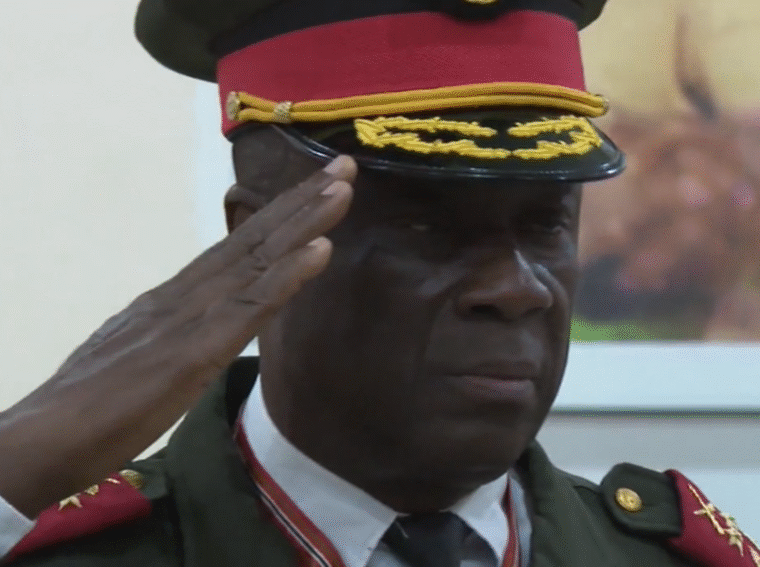
Guinea-Bissau stands at a decisive juncture as the military junta faces mounting pressure to honor its promise of restoring civilian rule by December 2026. The critical question now is whether the planned elections can serve as a genuine turning point—and avoid becoming another broken pledge in the nation’s turbulent political history.
From contested polls to military intervention
The electoral crisis that erupted in November 2025 set the stage for last year’s coup. As vote tallies remained disputed between incumbent Umaro Sissoco Embaló and opposition candidate Fernando Dias da Costa, the military stepped in on November 25, citing threats to national stability. Yet, with no independent verification of the alleged destabilization plot, the intervention abruptly halted a democratic process already fraught with irregularities.
The abrupt takeover left the election results—and the very legitimacy of the vote—unresolved. Strategic analysts later reported that election materials, including ballots, were destroyed, while key opposition figures faced detention. The military’s move, framed as a crisis intervention, has since cast a long shadow over the country’s democratic trajectory.
The junta’s transition roadmap: promises and pitfalls
In the aftermath, the transitional leadership, led by General Horta N’Tam, pledged to restore civilian governance through presidential and legislative elections. By January 2026, a December 6, 2026 election date was set, with assurances that the junta’s leader would not seek office. Yet, from the outset, the process faced credibility gaps: imprisoned opposition leaders languished behind bars, while a constitutional overhaul raised legal and ethical concerns.
The new constitutional framework, ratified in August 2026, proposed sweeping changes: shifting from a semi-presidential system to a hyper-presidential model, slashing parliament from 102 to 65 seats, and consolidating regional districts from 29 to 12. While proponents framed these reforms as stabilizing measures, critics warned of an executive power grab masked as institutional reform. The opposition, including the dominant PAIGC party, boycotted the referendum, further eroding public trust in the transition’s integrity.
The looming shadow of election delays
As December 6 approaches, doubts deepen about the feasibility of holding credible polls. The electoral commission has warned of technical constraints, while the prime minister acknowledged parties’ reluctance to participate in what they view as an unreliable process. A postponement, while framed as logistical necessity, risks extending military influence over the political transition—and could further destabilize a nation already weary of cyclical crises.
The core of the debate extends beyond timing. It hinges on whether opposition voices can operate freely, candidates can campaign without fear, and voters can cast ballots in an environment free from coercion. For sceptics, a delayed vote may merely postpone inevitable confrontation; for optimists, it offers a chance to rebuild trust—if the junta takes concrete steps now to level the electoral playing field.
What credibility looks like in practice
Reaffirming the December deadline alone will not suffice. The junta must demonstrate tangible progress: releasing detained opposition figures, ensuring unhindered media access, and guaranteeing the neutrality of security forces during the campaign and voting periods. Without these safeguards, the elections risk becoming a hollow exercise—one that perpetuates instability rather than resolving it.
In Guinea-Bissau’s precarious political landscape, the difference between success and failure could hinge on a single word: momentum. Will December 2026 mark the moment the military finally cedes power—or will it become just another milestone in a cycle of broken promises? The answer lies not in calendars, but in action.
