Investigations reveal that the Port of Conakry has emerged as a critical transit point for military shipments destined for Bamako, raising concerns over international arms trafficking dynamics in West Africa.
mapped routes: how weapons transit through guinean waters
Tracking records and maritime data confirm that cargo vessels linked to Russian logistics networks have increasingly relied on Conakry’s docks to offload consignments before onward transport to Mali. These operations often occur under the guise of commercial shipments, blending legitimate trade with covert military logistics.
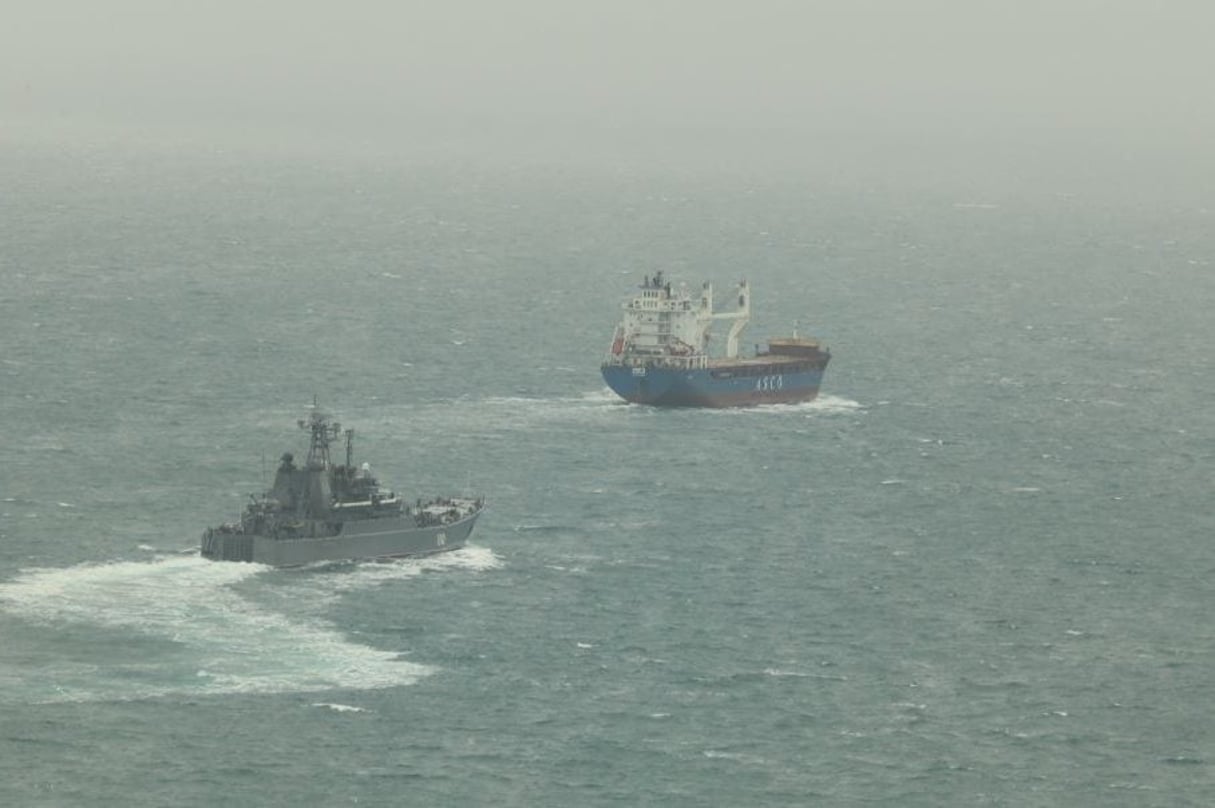
Satellite imagery and port logs indicate multiple dockings by ships whose ownership and cargo manifests raise red flags. Some vessels, such as the Sabetta, have been documented navigating West African waters with Russian naval escorts, a practice that underscores the complexity of these supply chains.
regional implications: shifting alliances and security risks
Conakry’s role in this network highlights Guinea’s delicate position amid evolving geopolitical tensions. While officials have not publicly acknowledged these activities, diplomatic sources suggest that the port’s strategic location makes it an ideal hub for actors seeking to bypass conventional supply routes.
The presence of Russian-linked entities has intensified scrutiny over Guinea’s maritime security protocols. Questions arise about oversight mechanisms and whether local authorities are equipped to monitor such high-risk shipments effectively.
the human factor: who facilitates these movements?
Investigative findings point to a network of intermediaries operating across borders, leveraging Guinea’s port infrastructure to expedite deliveries. These facilitators often exploit gaps in regional cooperation, relying on weak regulatory frameworks to obscure the true nature of their cargo.
Analysts warn that the unchecked flow of weapons through Conakry could exacerbate instability in the Sahel, particularly as non-state armed groups gain access to advanced armaments.
key vessels and recent patterns
- Sabetta: A cargo ship repeatedly documented in West African waters, often with Russian escort vessels.
- Logistics patterns: Shipments frequently coincide with periods of heightened military activity in Mali.
- Covert operations: Shipments are frequently misdeclared as humanitarian or commercial goods to avoid detection.
what’s next for Conakry’s port?
As international pressure mounts, Guinea faces a choice: reinforce port security to curb illicit arms trafficking or risk becoming a central node in a shadowy supply network. The coming months will be critical in determining whether Conakry can assert control over its maritime borders.