Wednesday morning in Kinshasa unfolded in an uncharacteristic hush as the capital’s usual frenetic energy gave way to near-stillness. The call from opposition figures to observe a ‘dead city’ protest against proposed constitutional amendments had resonated deeply across neighborhoods.
By dawn, the streets that typically buzz with the hum of markets, schoolchildren, and early commuters lay almost deserted. Taxis—usually omnipresent—were scarce, with only a handful navigating the empty roads. Schools, bustling at this hour with students in uniform, stood eerily quiet. Most shops remained shuttered, their shutters down as if in solidarity with the boycott.
streets that usually buzz with the hum of markets, schoolchildren, and early commuters lay almost deserted
Mont-Amba district offered a stark contrast to its usual hustle. The Intendance road near the University of Kinshasa, typically choked with students streaming toward campus by 7:50 AM, saw nary a soul. Instead, the path was patrolled by a visible but restrained police presence, their vehicles moving in measured formation. Public transport stops were ghostly, with not a single bus or taxi waiting for passengers. Even fuel stations hesitated to open, with the Salongo station among those keeping its doors locked.
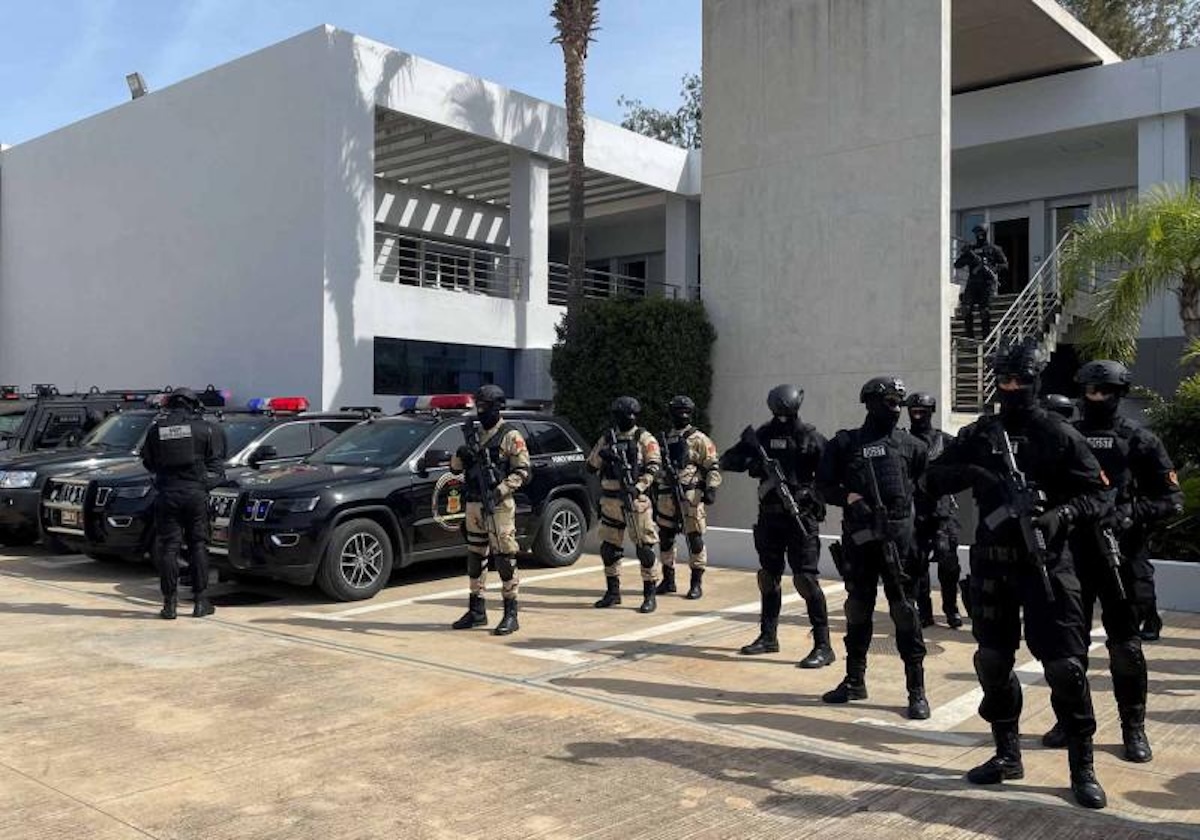
Military vehicles rumbled through the Bypass avenue, their presence adding to the tense calm. The Ngaba roundabout, normally a chaotic knot of traffic and pedestrians, remained nearly empty well past 8:00 AM. In Limete, another district famed for its relentless flow of people and vehicles, the boulevards Lumumba and Poids Lourds were eerily quiet. Public transport was nearly nonexistent—only a single bus dared to ply the route to the city center before 7:00 AM, according to a resident from Tshangu district.
Private vehicle owners, wary of potential unrest, opted to keep their cars off the roads. Police patrols intensified, with officers stationed at critical junctions in Limete, particularly near the first street. The heightened security presence underscored the authorities’ determination to maintain order amidst the opposition’s defiance.
The opposition’s push against the constitutional reform proposal has clearly struck a chord with the public. Whether this quietude will hold or give way to unrest remains to be seen, but for now, Kinshasa’s streets tell a story of collective pause—a rare moment of unity in the face of political contention.