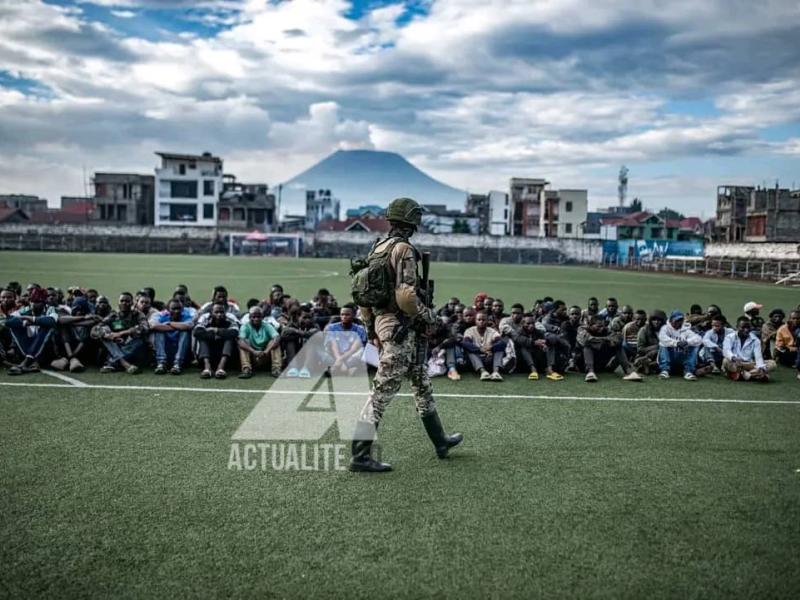
The M23 rebel faction has regained its notorious status as the most lethal armed group operating in eastern Democratic Republic of Congo (DRC), according to the latest findings from the Kivu Security Tracker (KST).
In June alone, the group accounted for at least 114 civilian fatalities—the highest monthly death toll attributed to M23 since December 2025, when the rebellion seized control of Uvira.
escalating violence and shifting tactics
The KST’s June security barometer documented 247 violent incidents across Ituri, North Kivu, and South Kivu provinces—a 19% decrease from May’s 305 incidents. However, researchers warn this reduction masks a dangerous reconfiguration of violence, with M23 intensifying operations in Masisi and Rutshuru territories.
Civilian targeting has surged, particularly against individuals accused of collaborating with rival factions like the Wazalendo or the Rwanda-backed Democratic Forces for the Liberation of Rwanda (FDLR). In one harrowing incident, 48 bodies were recovered in Bibwe village (Masisi territory) following an M23 assault on FDLR positions. Witness accounts suggest most victims died from shrapnel wounds.
key figures from the report
- 114 civilian deaths attributed to M23 in June (vs. 17 kidnappings)
- 115 armed clashes recorded, with M23 initiating 46 of them (40% of all documented combat)
- 62 civilian deaths and 57 abductions linked to the Allied Democratic Forces (ADF), whose influence now extends beyond traditional strongholds into Haut-Uele province
regional dynamics and shifting alliances
The report highlights declining activity by the People’s Revolution Convention (CRP) in Ituri, following a unilateral ceasefire declared in May ahead of Uganda-mediated talks with the Congolese government.
Meanwhile, the Cooperative for Development of Congo (Codeco) has announced its transformation into a political-military movement, seeking formal recognition and internal cohesion. The ADF’s expansion, however, remains a grave concern, with their operations now spanning multiple provinces.
The KST’s findings underscore the fragile security landscape in eastern DRC, where shifting rebel strategies and persistent civilian targeting demand urgent international attention.