The diplomatic landscape of the Sahel has been reshaped after Mali and Algeria formally agreed to restore full diplomatic relations following fifteen months of unprecedented tensions. This historic thaw, marked by the return of ambassadors and the resumption of air travel, has reignited discussions about the future role of influential religious leader Imam Mahmoud Dicko, currently living in exile in Algeria.
What led to the rupture between Bamako and Algiers
The breakdown of relations began in late 2023, when Malian authorities accused Algeria of overstepping its diplomatic boundaries. Officials in Bamako publicly condemned meetings held on Algerian soil between Algerian officials and Tuareg rebel groups operating in northern Mali—meetings that occurred without the consent of Mali’s transitional government. The situation escalated when Mali decided to unilaterally withdraw from the 2015 Algiers Peace Accord, a move seen in Algiers as a direct challenge to its regional mediation efforts. This decision triggered the mutual recall of ambassadors and the suspension of all air travel between the two countries, plunging the Sahel-Saharan region into a period of heightened insecurity.
How the ice was broken: a step-by-step reconciliation
Recognizing that prolonged hostility would benefit no one, diplomats from both nations worked behind the scenes to restore trust. The process began with confidence-building measures that culminated in a series of concrete actions:
- Reinstating ambassadors: Diplomatic staff returned to their respective posts in Bamako and Algiers, restoring a vital channel for crisis communication and bilateral cooperation.
- Reopening airspace: Commercial and military flights resumed, signaling a renewed commitment to economic and security cooperation across the shared border.
- Restarting security collaboration: With terrorist threats persisting, intelligence-sharing initiatives were reactivated to better protect the 1,300-kilometer border between the two nations.
This diplomatic thaw reflects a growing regional maturity, prioritizing collective stability over national pride.
Imam Mahmoud Dicko: a bridge to peace or a political wildcard?
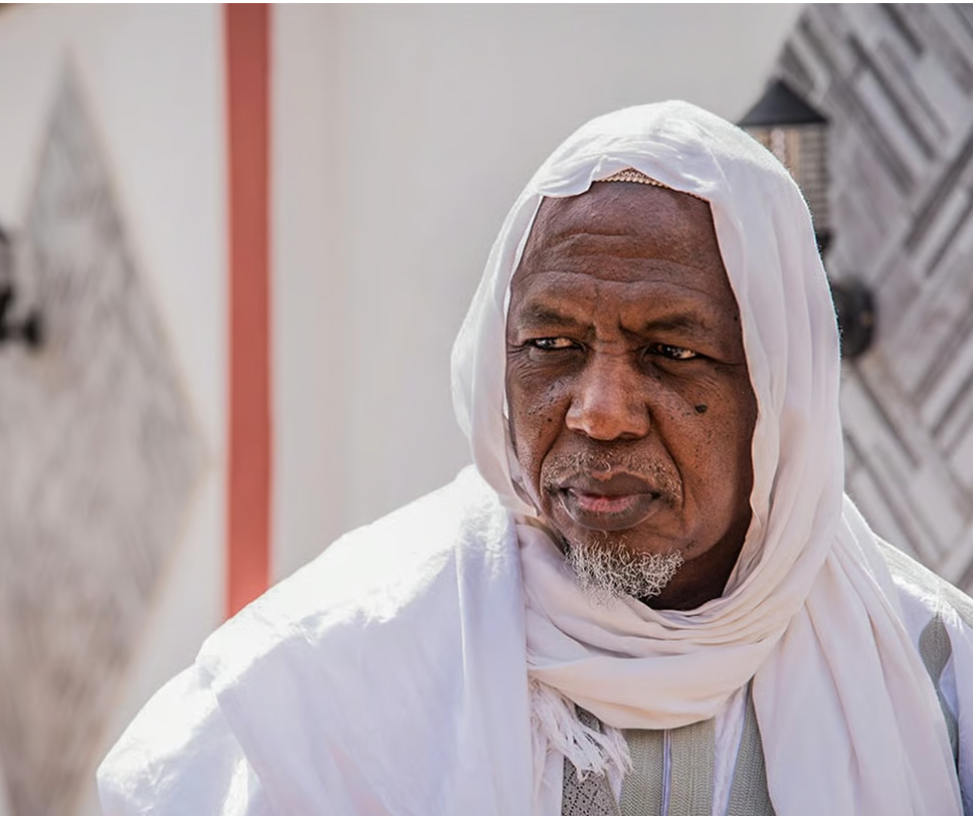
At the center of this evolving dynamic is Imam Mahmoud Dicko, a towering figure in Mali’s socio-political arena. Exiled in Algeria since the start of the crisis, Dicko’s future now hangs in the balance amid shifting geopolitical winds. More than just an opposition leader, he is widely seen as a moderating force capable of bridging deep societal divides.
Dicko rose to prominence during the 2020 protests that led to the fall of former President Ibrahim Boubacar Keïta. He has consistently advocated for inclusive dialogue and a peaceful return to constitutional rule. In a nation still grappling with fragmentation and searching for national unity, his voice carries immense weight. His ability to mobilize public opinion and foster consensus could prove crucial in legitimizing any future civilian transition process.
Can Algeria facilitate a dignified return for Dicko?
The normalization of relations between Bamako and Algiers raises important questions about the imam’s future. While Algeria may seek to limit Dicko’s political activities on its soil to avoid further strain with Mali, this moment also presents an opportunity for constructive mediation.
As a key regional player, Algeria is well-positioned to facilitate a direct and meaningful dialogue between Dicko and Mali’s transitional authorities. A safe, structured return of the imam to Mali—not as a figure of division, but as a peacebuilder—could send a powerful message of national healing and reconciliation.
From thaw to transformation: a chance for democratic renewal
The restoration of Mali-Algeria relations is more than a diplomatic breakthrough—it is a strategic opportunity to advance peace and democracy in the Sahel. By embracing dialogue over confrontation, both nations have demonstrated that cooperation is essential in addressing shared security and governance challenges.
In this context, the future of Imam Mahmoud Dicko should not be viewed as a complication, but as an asset. His long-standing commitment to democratic restoration and national cohesion offers Bamako and Algiers a chance to turn this reconciliation into a catalyst for lasting peace and democratic renewal in Mali.