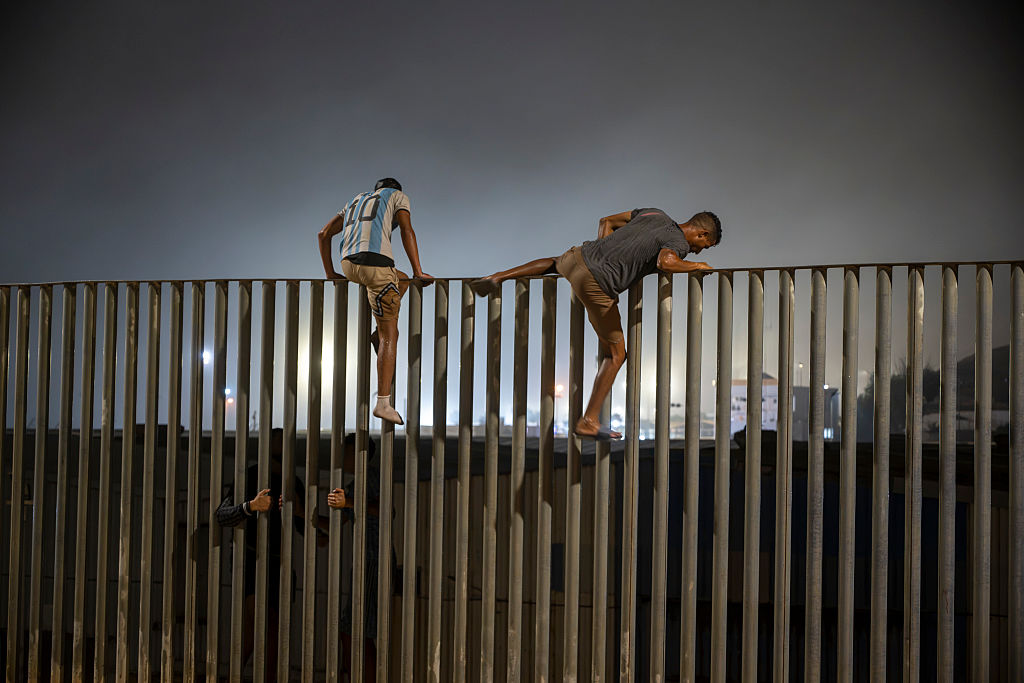
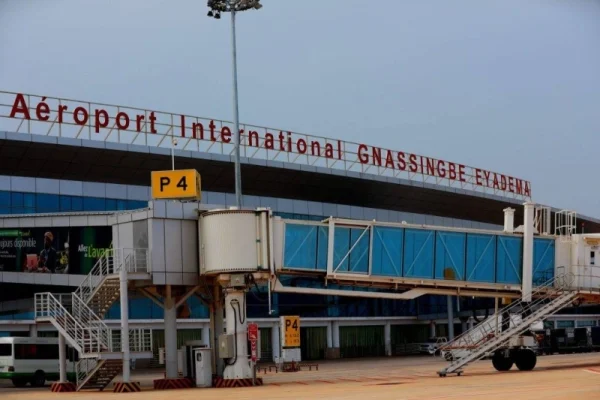
In the heart of Niamey, residents of Kobontafa—a densely populated neighborhood hugging the perimeter of the international airport—are frantically dismantling their own homes ahead of impending demolitions. Roofs stripped, doors removed, and windows taken down in a race against time, as authorities enforce a sweeping operation targeting unauthorized structures within the airport’s restricted zone.
The move comes in response to the January 29 attack on the Diori Hamani International Airport and a nearby military drone base. Investigators suspect the assailants exploited these informal settlements to infiltrate the high-security area, prompting a reevaluation of safety protocols.
Official data reveals that nearly 26,000 residents in four unauthorized districts face displacement as part of this initiative. These settlements, sprawling across critical airport zones, have long been flagged by officials as a glaring security weakness.
Niger has grappled with escalating violence from Al-Qaeda and Islamic State-affiliated factions, with threats extending close to the capital. The January assault, claimed by the Islamic State in the Sahel (EIS), was repelled by Nigerien forces with support from Russian allies. Authorities reported 20 militants killed and four soldiers wounded, alongside damage to key infrastructure.
Weeks later, General Abdourahamane Tiani, head of the National Council for the Safeguard of the Homeland, acknowledged gaps in security arrangements that allowed the attack to unfold. He confirmed the attackers’ intent to cripple Niger’s aerial capabilities.
Colonel Amadou Abdramane, Minister of Transport and Civil Aviation, clarified that demolitions prioritize the airport’s eastern flank, a hotspot for illegal occupation and the suspected entry point for the assailants.
General Mohamed Toumba, Interior Minister, warned that unchecked informal settlements could serve as gateways for future infiltrations. He cautioned that failure to address these vulnerabilities risks downgrading the airport’s international safety certifications.
Displaced families will receive compensation, provided they register through the government’s designated census process. Meanwhile, security reinforcements are underway, including the expansion of perimeter fencing and the installation of 350+ surveillance cameras across the airport grounds.
Nationwide, authorities are urging citizens to report suspicious activities via dedicated emergency hotlines, reinforcing a broader counterterrorism strategy.