A military drone operation in western Niger resulted in the deaths of at least 17 civilians, including four children, during a busy market day on January 6, 2026. The strike, which occurred in the village of Kokoloko, also left 13 people wounded. Reports indicate that while three extremist fighters were killed, the attack violated international laws of war regarding indiscriminate strikes and may be classified as a war crime.
Located in the Tillabéri region, Kokoloko sits approximately 120 kilometres from the capital, Niamey, near the border with Burkina Faso. The area has seen prolonged activity from the Islamic State in the Sahel (EIS), a group that has targeted both military personnel and local populations across Niger since 2019.
Calls for accountability and justice
Human rights researchers emphasize that the high civilian toll on a public market violates the principles of armed conflict. There are urgent calls for the Niger authorities to launch an impartial investigation, hold those responsible to account, and provide reparations to the families of the deceased and the survivors.
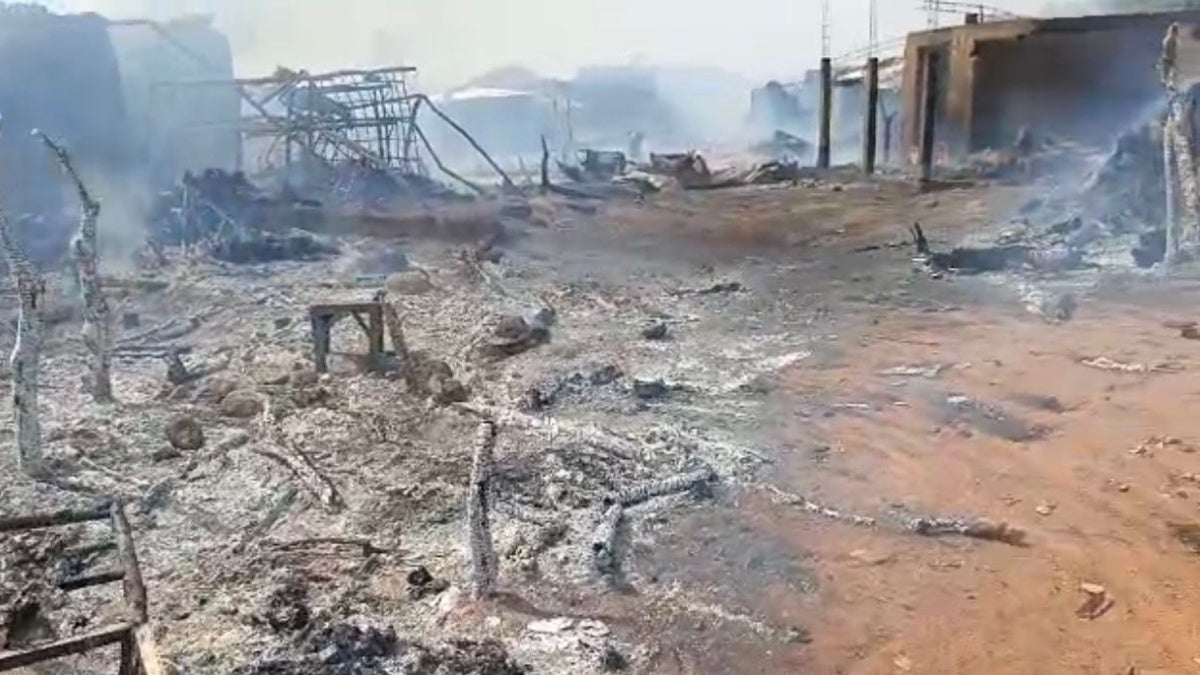
Investigations into the incident involved interviews with witnesses, local residents, and members of international organizations. Analysts also used satellite imagery and verified video footage to confirm the devastation. Despite these findings, the military junta that seized power in Niger in July 2023 has remained silent regarding the event, failing to respond to formal inquiries.
Witness accounts of the Kokoloko tragedy
Survivors described seeing a white drone circling the village multiple times before it released a munition around 1:30 p.m. At that moment, the market was filled with vendors and families. One merchant recalled hearing a sharp whistling sound followed by a massive blast that tore through the stalls where women were selling food.
Witnesses noted that while six EIS members were in the village that day—three of whom were at the market—they were dressed in civilian clothes and were not engaged in combat at the time of the strike. Local residents reported that the fighters often visit regional markets to purchase supplies.
The aftermath was horrific, with many victims suffering from severe burns. A local religious leader reported counting 17 charred bodies, making identification nearly impossible. The community buried the victims in mass graves, separating the women and children from the men.
Technological evidence and regional displacement
Satellite data and fire detection systems confirmed active blazes in Kokoloko at the exact time of the reported strike. The fire spread quickly due to the wooden structures of the market and the presence of fuel. Since 2022, Niger has expanded its arsenal with Turkish-made drones, such as the Bayraktar TB-2, Karayel-SU, and Aksungur, which are capable of carrying guided explosives and providing live surveillance.
The strike has triggered a humanitarian crisis in the area. Nearly all of Kokoloko‘s 1,200 residents have abandoned the village, fleeing to neighboring towns or crossing into Mali for safety. Among the confirmed dead were 11 women and four children as young as five years old.
Under international humanitarian law, combatants must always distinguish between military targets and civilians. Using explosive weapons in a crowded public space like the Kokoloko market is considered an indiscriminate attack. If such actions are taken recklessly or intentionally, they constitute war crimes.
The Tillabéri region remains one of the deadliest zones in the Sahel. In 2025, it recorded the highest number of civilian casualties from attacks involving the EIS, the Niger military, and JNIM (an Al-Qaeda affiliate). Similar incidents occurred in Injar in September 2025 and Tiawa in January 2024, where military strikes also resulted in significant civilian deaths.