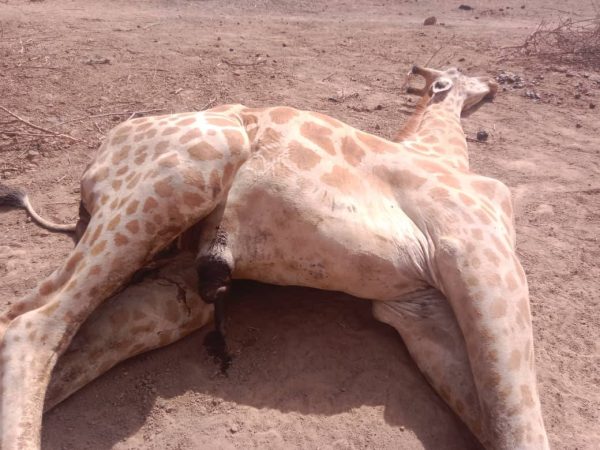
In the heart of the Gadabedji biosphere reserve, a tragedy unfolded on May 16, 2026, when Abagana, the first locally born giraffe calf in the area, succumbed to a devastating illness. The young animal’s rapid decline, exacerbated by the absence of timely veterinary intervention, has cast a shadow over the reserve’s ecological and touristic significance.
The loss of Abagana is more than just the passing of a single giraffe—it represents a blow to Niger’s natural heritage and its appeal as a wildlife destination. As the first giraffe born in Gadabedji, the calf symbolized the success of a bold reintroduction program and the promise of a thriving ecotourism industry. His presence had captivated visitors and wildlife enthusiasts alike, making his death a profound loss for the region.
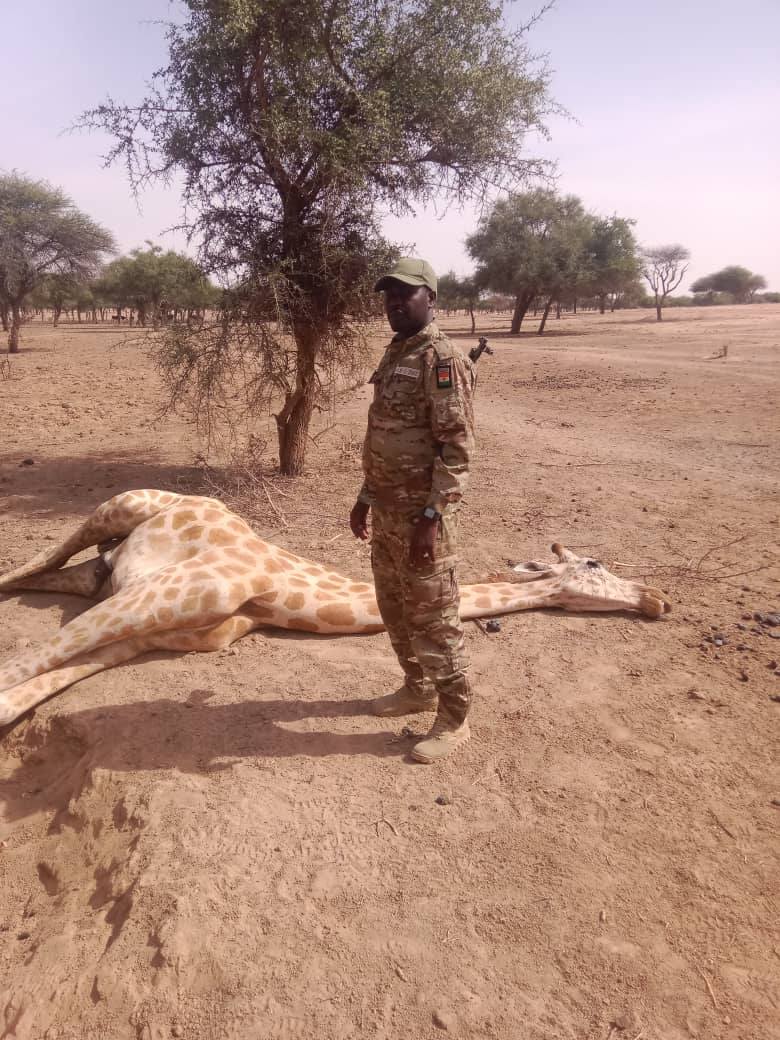
Agonizing final moments witnessed by forest rangers
The circumstances surrounding Abagana’s death are harrowing. The young giraffe suffered from a severe prolapse, a condition where his reproductive organ remained permanently exposed, preventing him from urinating. Without access to proper medical care, the calf endured immense suffering before succumbing to the illness.
This heartbreaking incident follows another recent tragedy in the reserve. A female giraffe perished shortly after giving birth, also due to the lack of essential veterinary support. The repeated losses have left forest rangers and conservationists grappling with helplessness, as they watch the reserve’s prized wildlife vanish one by one.
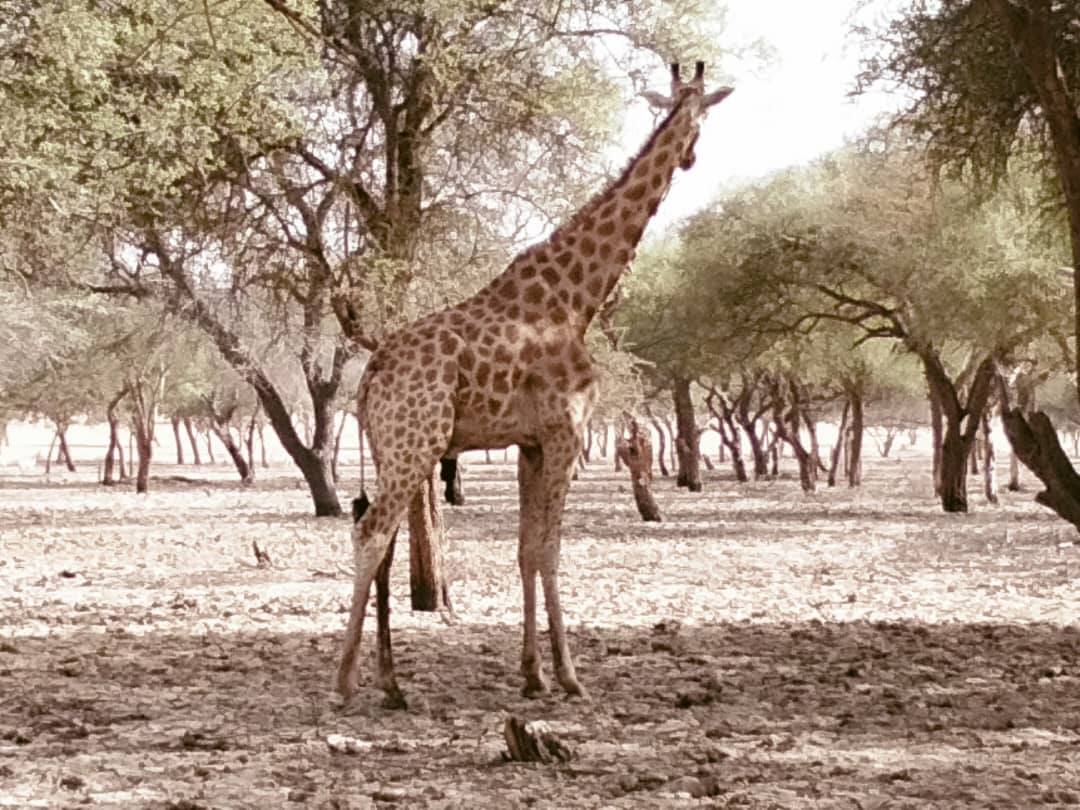
An urgent call for action: training to save wildlife
The deaths of Abagana and other giraffes in Gadabedji serve as a stark warning about the challenges facing Niger’s national parks. Beyond the ecological loss, these tragedies threaten the country’s tourism sector, where each giraffe is a valuable asset for attracting international visitors.
Frustration is growing among conservationists and rangers, who are now demanding immediate action from the government. The lack of technical expertise and medical resources for wildlife care has become glaringly evident, leaving those on the front lines powerless to prevent further losses.
« We are forced to watch our animals die without being able to intervene. » — a veteran conservationist familiar with the reserve’s challenges.
The need for urgent intervention cannot be overstated. To safeguard the remaining giraffe population and preserve Gadabedji’s reputation as a premier wildlife destination, local rangers must be equipped with critical veterinary skills, including emergency care and anesthesia techniques for wild animals. Without swift action from the state, Niger risks losing its tourism goldmine, one precious life at a time.