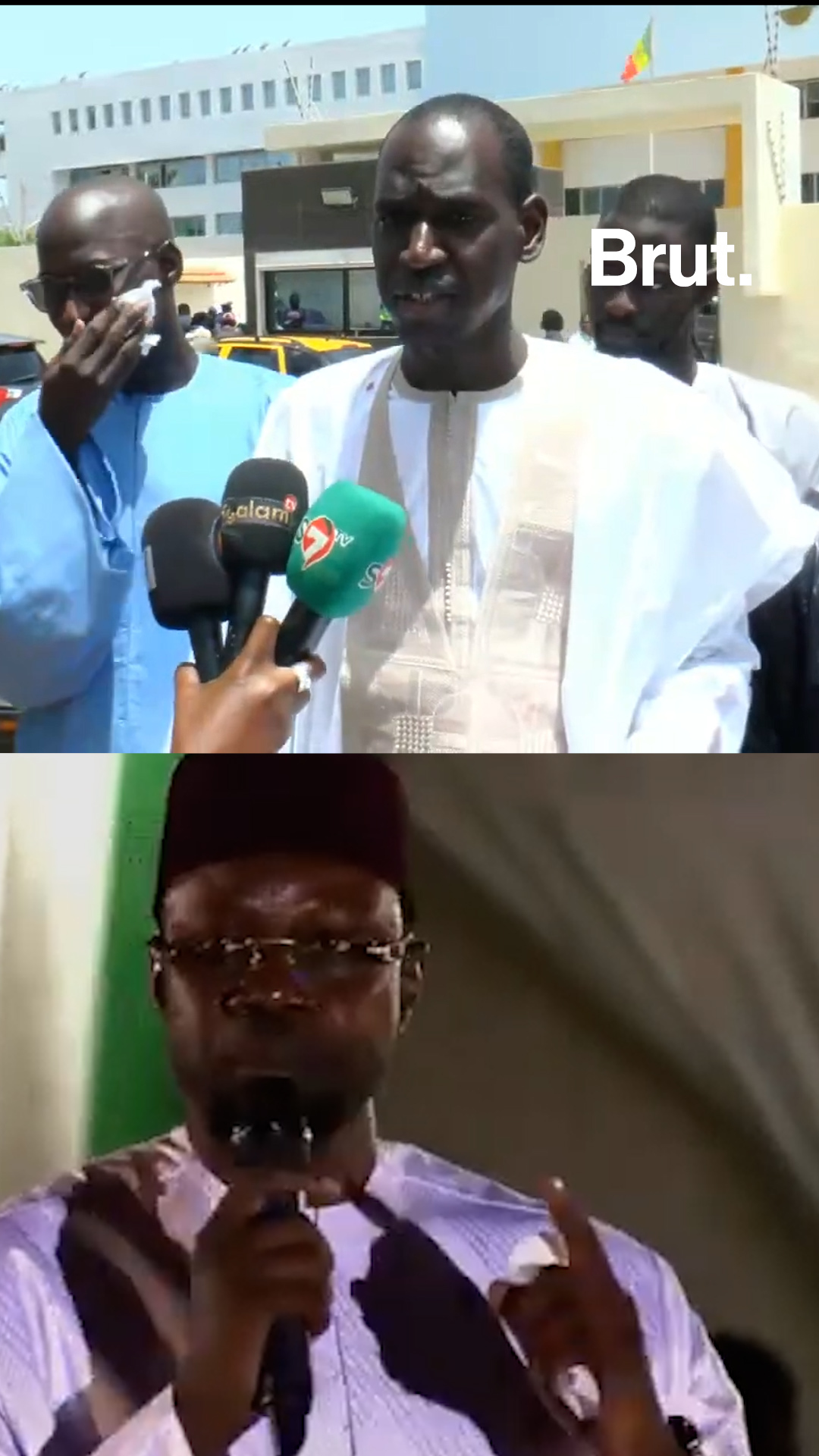
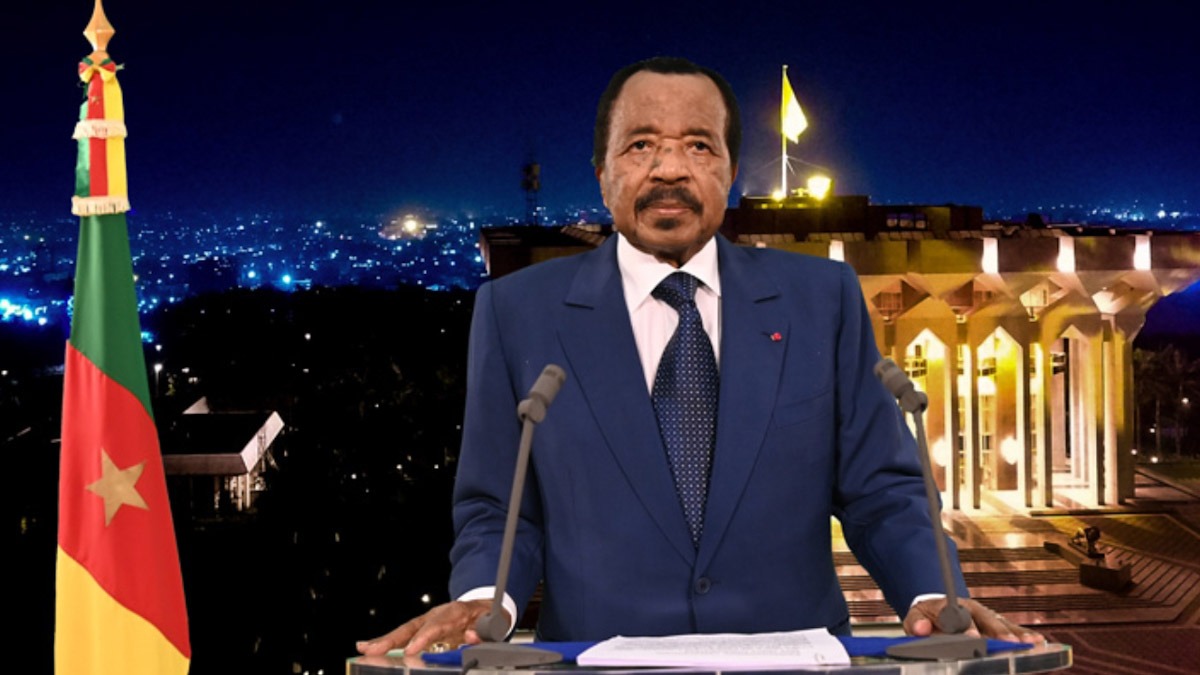
In a press briefing that sparked immediate reactions, Ousmane Sonko, leader of the Patriots Party (PASTEF), exposed the deep rifts that emerged during negotiations before the new government’s formation. His remarks painted a stark picture of an untenable cohabitation between his party and the Republic’s presidency.
The Patriotic leader revealed that discussions with Bassirou Diomaye Faye highlighted a growing divergence in priorities. Sonko emphasized that the President had “decided to distance himself from PASTEF to align with other factions.” This shift, he argued, directly contradicted the fundamental principle of majority governance: “The majority should govern. It is our right to select the Prime Minister.”
Key topics discussed included public debt, purchasing power, contract renegotiations, justice reform, and accountability. Yet, no consensus was reached on any of these critical areas. Sonko was unequivocal about the justice sector, stating, “We have no agreement whatsoever on justice,” underscoring one of the most contentious points of disagreement.
When it came to the government’s composition, Sonko set a clear demand for President Bassirou Diomaye Faye: PASTEF must hold a majority of cabinet positions in the 30-member executive. When this condition was not met, Sonko declared, “We realized that under these terms, we would have no influence over decisions.” This led the party to ultimately reject participation in the Al Amine Lô-led government.
Why the party chose to stay out
The decision reflects PASTEF’s insistence on having a meaningful role in shaping policies. Without a guarantee of influence, Sonko asserted, involvement would be meaningless. “We have nothing to gain by joining a government where our voices are ignored,” he explained. This stance underscores the party’s commitment to ensuring its agenda aligns with the administration’s actions.