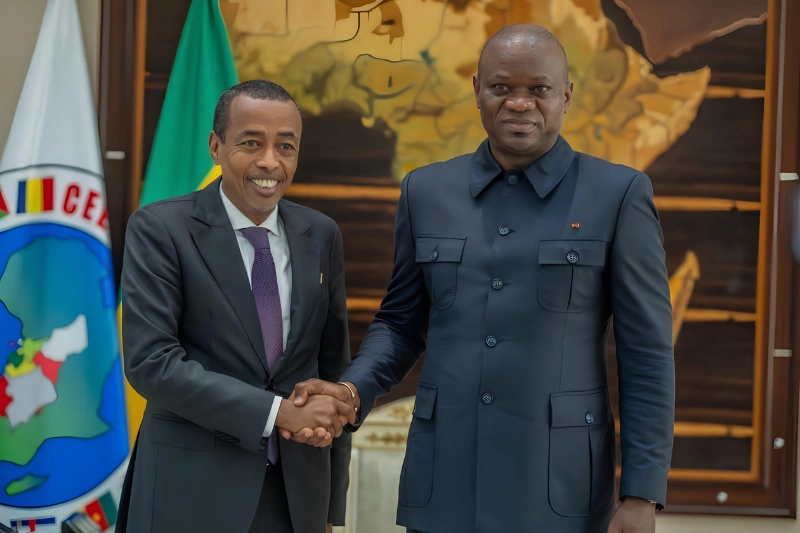
Just seven days into his tenure, Bénin’s President Romuald Wadagni is already actively working to define his leadership. As the designated successor to Patrice Talon, under whom he served as Minister of Economy and Finance for two consecutive terms, the new head of state navigates a fine line: preserving the economic achievements of the past decade while simultaneously asserting a distinct political identity. The initial decisions unveiled since his inauguration reflect this delicate balance, combining fidelity to the outgoing administration’s record with a clear intent for measured change.
Embracing a Proven Economic Legacy
Romuald Wadagni makes no secret of his alignment with the budgetary choices and structural reforms he personally championed during his eight years at the helm of Bénin’s financial sector. The restoration of public accounts, the strengthening of Bénin’s sovereign credit rating on international markets, and the acceleration of major infrastructure projects are all presented as vital accomplishments to be safeguarded. This doctrinal continuity offers reassurance to lenders, investors, and credit rating agencies, all of whom had previously lauded Cotonou’s macroeconomic trajectory under President Talon’s leadership.
The new president thus explicitly positions himself within the framework of a model he intimately understands. This acknowledged continuity provides him with immediate credibility among technical and financial partners, particularly as the West African sub-region grapples with a period of political and security uncertainties. As the architect behind Bénin’s recent eurobonds and a staunch advocate for rigorous fiscal discipline, the former finance chief commands significant respect within global financial circles.
Early Signals of a Personal Touch
Nevertheless, Romuald Wadagni is not merely content to be a continuation. The first measures made public suggest a desire for political and social recalibration, addressing areas where the previous five-year term had created visible divisions. The new head of state is making concerted efforts to broaden his support base and placate an opposition that had vigorously contested the institutional tightening of recent years.
The tone adopted during his initial presidential appearances also contrasts sharply with the more distant posture favored by Patrice Talon. Wadagni cultivates a more consultative approach, emphasizing engagement with intermediary bodies and underscoring the inclusive nature of the governance he intends to implement. This political presentation aims to bolster the narrative of an open presidency, all without abruptly dismantling the institutional architecture inherited from the 2019 constitutional revision.
Navigating a Complex Political Equation
However, the realities of power quickly impose their own constraints. The new president must work alongside a parliamentary majority largely structured around Patrice Talon’s supporters, an administrative framework shaped by a decade of centralized decision-making, and a public keenly attentive to any sign of change. Romuald Wadagni’s room for maneuver will largely depend on his ability to assemble a government team personally loyal to him, without upsetting the internal dynamics of the presidential camp.
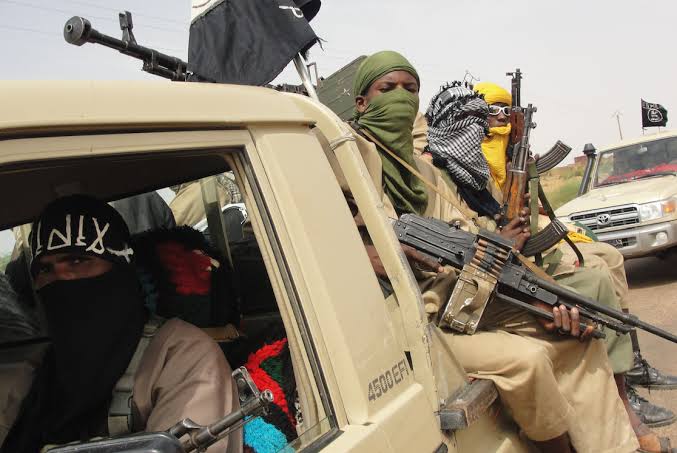
On the regional front, Bénin’s head of state also inherits a sensitive security dossier. The persistent jihadist pressure in the northern departments, bordering Burkina Faso and Niger, continues to demand substantial military resources and necessitates exceptionally delicate diplomatic engagement with the Sahelian transition regimes. The decisions made in the coming weeks regarding defense and regional cooperation will serve as a crucial indicator of Patrice Talon’s successor’s political autonomy, especially concerning the evolving situation with Niger.
In practice, the traditional ‘first hundred days’ period promises to be a significant test. Between appointing a government, defining a budgetary direction for the upcoming fiscal year, and managing relations with the opposition, Romuald Wadagni must demonstrate that his proclaimed continuity does not preclude a genuine political transformation.