Military cooperation with Moscow fails to curb rising violence in the Sahel
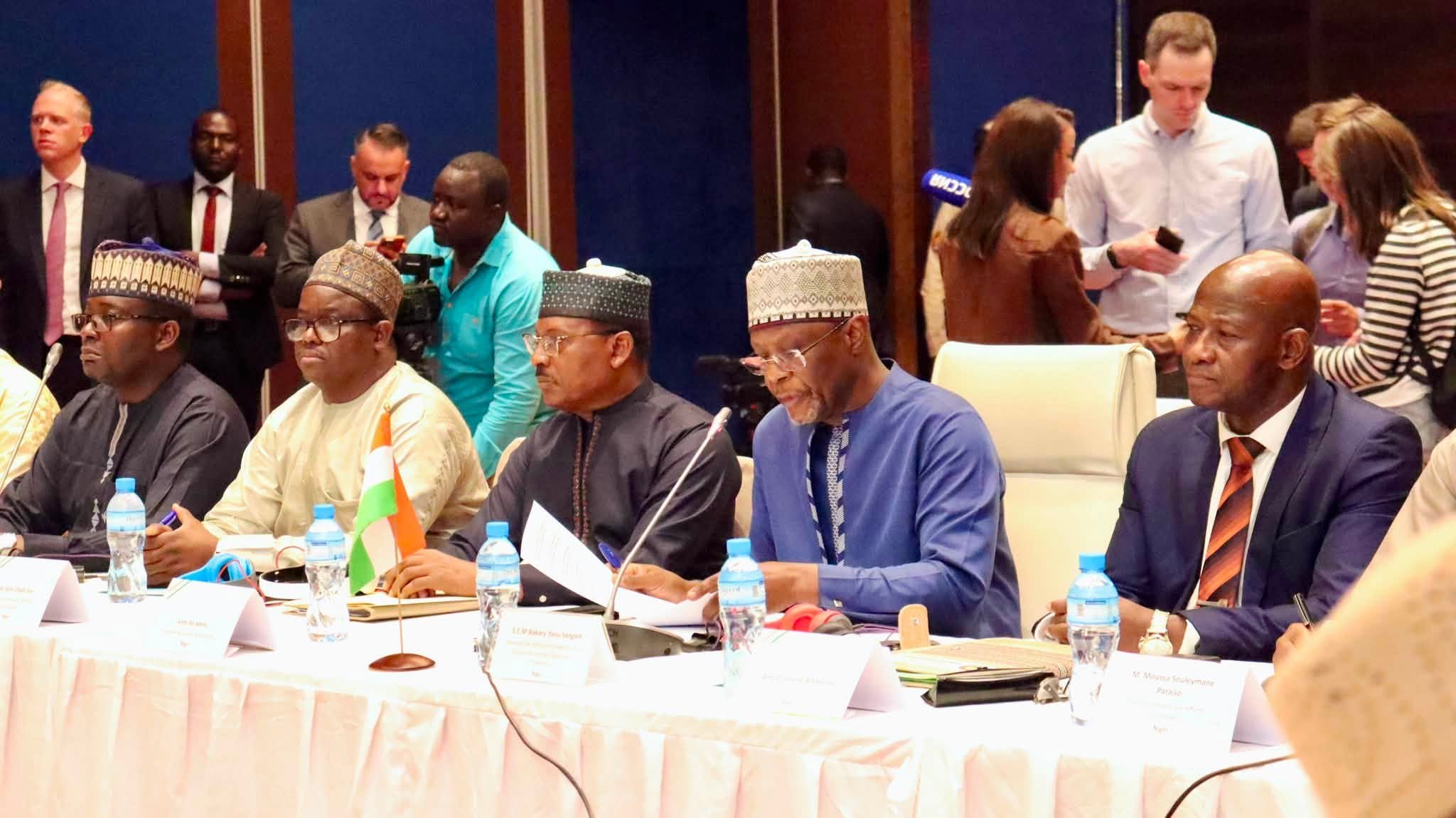
The governments of Mali, Burkina Faso, and Niger have doubled down on their exclusive military partnership with Russia, positioning it as a cornerstone of their newly declared sovereignty. Yet, despite this strategic shift, the promised security improvements remain elusive, and civilian suffering continues to escalate in the heart of the Sahel.
A fading promise of security
The ruling juntas of the Alliance of Sahel States (AES) argued that severing ties with Western partners would accelerate progress in combating armed groups. However, years after this pivot, the results are far from transformative. While new military hardware, drones, and Russian support have been deployed, terrorist attacks persist unabated. Military outposts are frequently targeted, entire villages live under constant threat, and displacement crises deepen as civilians flee the violence.
The Armed Conflict Location & Event Data Project (ACLED) records over 10,000 fatalities in political violence across the three nations in 2025 alone, underscoring the Sahel’s persistent status as one of the world’s most volatile conflict zones.
A humanitarian crisis out of control
The human toll extends far beyond battlefield casualties. According to UN refugee agency data, more than five million people have been forcibly displaced across the Sahel, with entire communities uprooted by relentless insecurity. Schools shutter en masse, denying an entire generation education, while healthcare systems collapse in the most embattled regions. Each new attack triggers fresh waves of displacement, abandoned villages, and paralyzed local economies.
The unsustainable financial burden of war
The escalating conflict has imposed a crushing financial strain on fragile governments. Military budgets swell with arms purchases and security operations, diverting critical resources from essential sectors like health, education, and infrastructure. The longer the war drags on, the harder it becomes for authorities to justify prioritizing development over immediate security needs—yet the violence shows no signs of abating.
Diminishing sovereignty amid growing reliance on Russia
The AES’s exclusive partnership with Moscow has not only failed to deliver promised security gains but has also deepened dependence on external military support. As attacks intensify, governments find themselves compelled to seek greater Russian assistance, reinforcing a cycle where worsening insecurity necessitates more foreign intervention. This raises a critical question: Can a strategy sustained by ever-increasing external aid truly be framed as a restoration of sovereignty?
Russia’s strategic gains in the Sahel
For Moscow, the alliance has yielded significant geopolitical dividends. Each new military agreement strengthens its diplomatic foothold in Africa, while arms deliveries and security cooperation expand its strategic presence across a resource-rich region—particularly in gold and uranium-rich territories. Beyond the battlefield, Russia’s influence now extends into political, economic, and media spheres, embedding itself as a pivotal player in the Sahel’s future.
Security or symbolism? The paradox of the alliance
The juntas’ original goal was clear: restore stability swiftly by turning to Moscow. Yet years later, the humanitarian indicators tell a starkly different story. Attacks remain frequent, civilian casualties mount, and displacement crises worsen. While the conflict’s complexity—rooted in historical, political, and economic factors—cannot be ignored, the persistent failure to protect civilians raises pressing doubts about the alliance’s effectiveness.
As the violence persists, one truth becomes undeniable: the Sahel’s civilians bear the heaviest burden. While families mourn their dead, communities empty out, and millions are forced to flee, Russia’s strategic footprint in the region grows ever stronger. The deeper the conflict sinks into stalemate, the more indispensable Moscow’s role becomes—for regimes struggling to govern, if not for the people they were meant to protect.