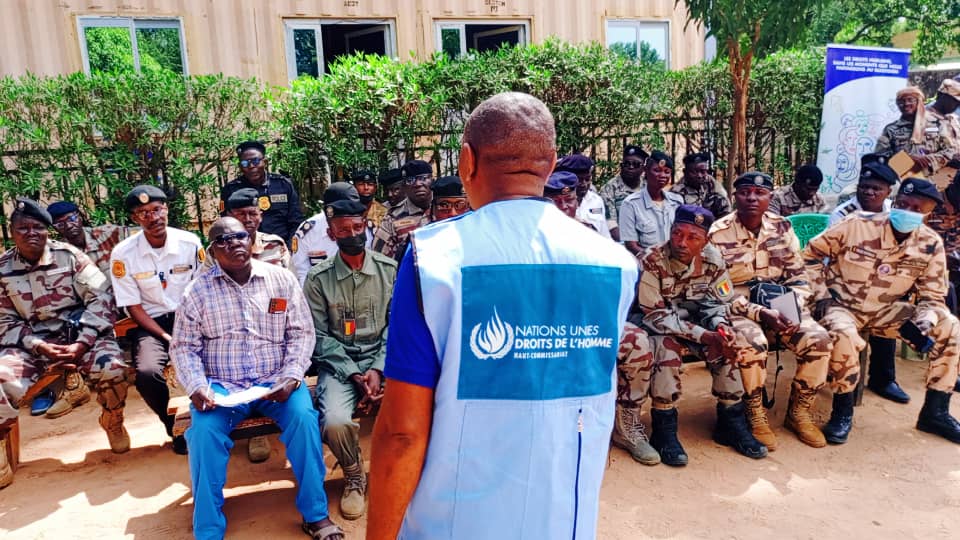
A comprehensive human rights training program for defense and security forces (FDS) kicked off on May 21 at the Central Commissariat in Koumra. The initiative is designed to embed human rights compliance and accountability deep within military operations.
Balancing security with fundamental freedoms
The challenge of maintaining public order while upholding human dignity remains constant. The United Nations Office of the High Commissioner for Human Rights (OHCHR) and the United Nations Development Programme (UNDP) have joined forces to address this through improved judicial procedures.
Targeted training for all security branches
This initiative falls under the Human Rights Promotion and Protection Support Project and includes active participation from soldiers, gendarmes, police officers, and members of the National and Nomadic Guard of Chad. Sessions are being conducted across various barracks nationwide.
The project’s core mission is to prevent misconduct, dismantle cycles of impunity, and strengthen trust between citizens and those sworn to protect them.
Key focus areas of the training
- Rigorous adherence to human rights in all operations
- Combating gender-based violence (GBV) within security institutions
- Understanding complex military justice frameworks for procedural precision
- Reinforcing the specific ethical code of the Gendarmerie
The program isn’t just about legal reminders—it’s about reshaping institutional culture so every officer becomes a proactive defender of fundamental freedoms.
Interactive learning for lasting impact
Over two days, UN experts and senior military leaders engage in intensive, discussion-based sessions with FDS personnel. The curriculum blends legal frameworks, real-world case studies, and open dialogues about operational challenges.
By equipping its uniformed personnel to resist abuse and violence, Chad takes a decisive step toward a rights-respecting military. The next critical phase will be translating these theoretical lessons into everyday field practices that benefit justice seekers.