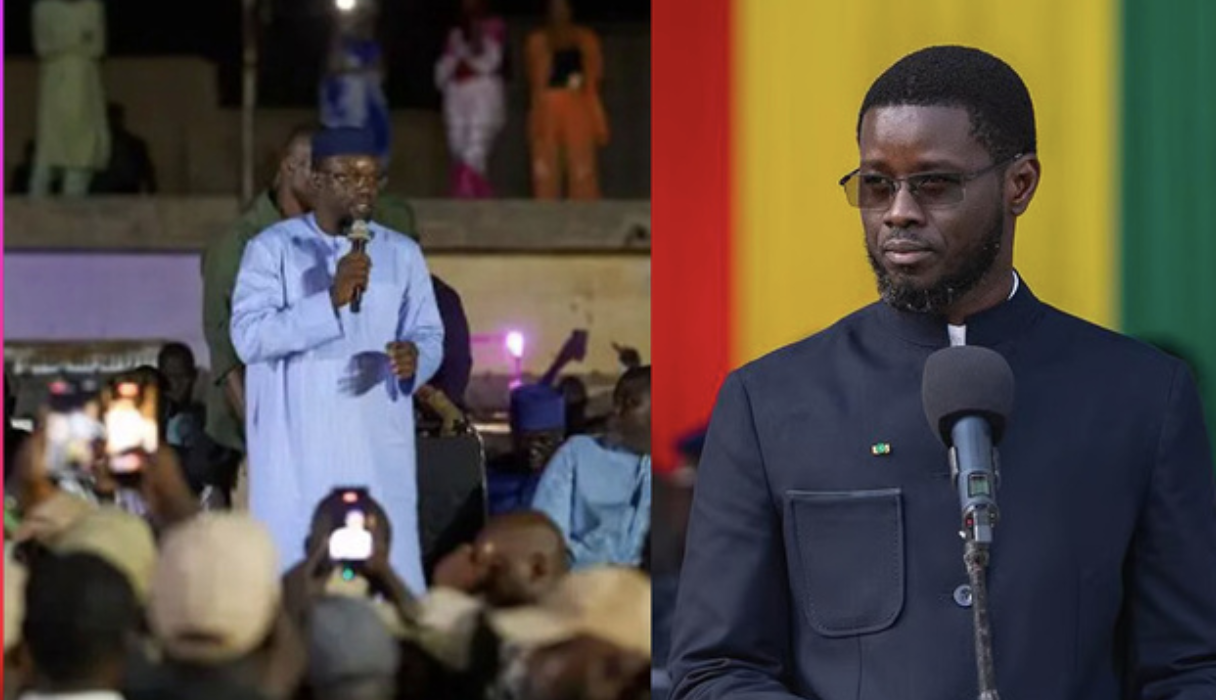
Senegal’s leadership has drawn a definitive line in the sand regarding its public debt trajectory. El Malick Ndiaye, President of the National Assembly, recently reaffirmed Dakar’s categorical refusal to pursue debt restructuring during a high-profile meeting in the capital. Instead, he advocates for a sovereign approach, emphasizing internal fiscal adjustments over external negotiations with creditor groups. This stance aligns with the government’s longstanding position, which gained urgency after revised debt figures—released in late 2024—revealed a higher-than-reported fiscal burden.
The political and economic rationale behind the stance
For months, the administration of President Bassirou Diomaye Faye and Prime Minister Ousmane Sonko has framed debt restructuring as incompatible with national sovereignty. In their view, renegotiating terms would signal default, undermining Senegal’s credibility in global capital markets. El Malick Ndiaye echoed this sentiment, framing the decision as a political priority rather than a mere budgetary calculation. The government argues that domestic measures—such as tax base expansion, public expenditure rationalization, and targeted contract renegotiations—provide sufficient tools to meet obligations without external intervention.
This defiant posture contrasts sharply with the recommendations of international partners like the International Monetary Fund (IMF), whose suspended program with Senegal reflects concerns over debt sustainability. Credit rating agencies have similarly downgraded Senegal’s sovereign rating multiple times in recent months, increasing borrowing costs and limiting access to concessional financing.
Sovereign management: balancing ambition and fiscal reality
The sovereign debt management strategy championed by El Malick Ndiaye hinges on several initiatives already underway. Key measures include:
- Tax reforms to broaden revenue streams and reduce reliance on volatile income sources.
- Spending controls to curb inefficiencies and prioritize high-impact public investments.
- Targeted renegotiations of imbalanced contracts with private partners.
- Hydrocarbon revenue mobilization, leveraging new oil and gas projects like the Sangomar field and Grand Tortue Ahmeyim gas field.
While these steps offer potential long-term relief, their immediate impact remains uncertain. The public debt-to-GDP ratio, recalculated by the Court of Auditors, now exceeds thresholds set by the West African Economic and Monetary Union (WAEMU). The government’s challenge is to create fiscal breathing room without alienating traditional lenders—particularly as debt servicing consumes an ever-larger share of domestic revenue, crowding out spending on social programs and infrastructure.
A multifaceted message to investors and citizens
El Malick Ndiaye’s declaration serves multiple audiences. For global investors, it signals Senegal’s commitment to honoring debt obligations without resorting to formal default mechanisms. Domestically, it reinforces campaign promises of financial independence from external oversight. Regionally, it reinforces Dakar’s push for economic autonomy amid rising sovereignty debates across West Africa.
Yet the strategy’s success hinges on tangible outcomes in upcoming budget cycles. While a full IMF agreement remains off the table for now, analysts suggest a technical compromise—distinct from restructuring—could eventually unlock concessional financing. As El Malick Ndiaye emphasized, the goal transcends public finance: it’s about validating a sovereign economic model aligned with the administration’s core philosophy.
Related insights
Congo seeks fresh IMF support amid debt pressures · African central banks discuss crypto regulation in Dakar · WAEMU banks advance regional e-commerce testing