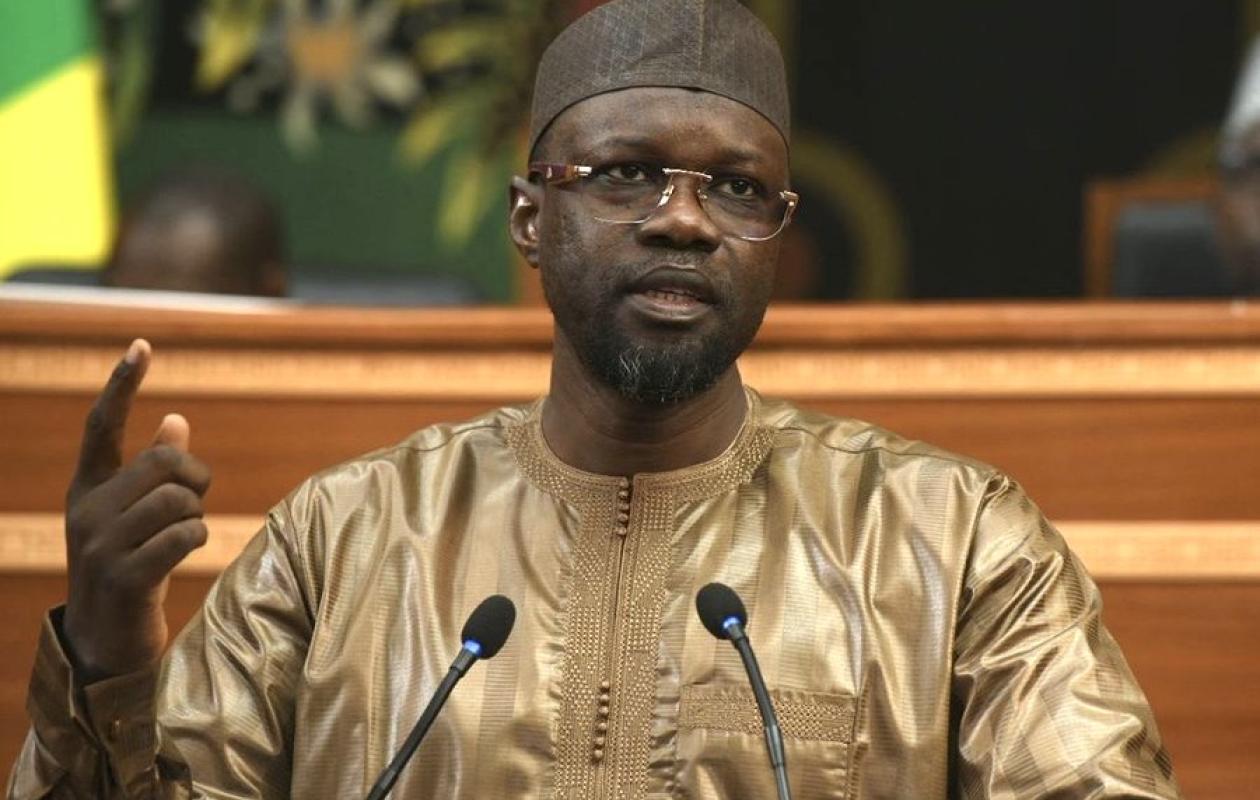
The political landscape in Sénégal has entered a turbulent phase, raising questions about whether the current turbulence reflects a deeper struggle within the ruling party rather than a straightforward institutional crisis. As the party grapples with balancing power dynamics, its once-unified front shows visible cracks.
From opposition to governance: the party’s shifting identity
Historically, the dominant party in Sénégal thrived on its role as a radical opposition force, channeling public discontent into a cohesive political movement. However, with the reins of government now firmly in its hands, the party faces an unprecedented challenge: governing rather than opposing. This transition has exposed internal divisions, as factions within the party debate the direction of national policy and the pace of reforms.
Fragmentation at the helm
The once-united leadership is now divided, with prominent figures advocating for different approaches to governance. Some push for swift implementation of social and economic reforms, while others prioritize maintaining stability and gradual change. This schism has led to a cacophony of voices, both within the party and across the political spectrum, creating uncertainty about the country’s future trajectory.
Public sentiment and political legitimacy
The growing dissonance within the ruling party has not gone unnoticed by the Sénégalais public. Citizens, who once rallied behind the party’s opposition platform, are now questioning its ability to deliver on its promises as the government. Social media platforms are abuzz with debates over whether the party’s internal strife is a natural evolution of its transition to power or a sign of deeper systemic flaws.
Protests and public statements from civil society groups highlight the urgency of addressing these divisions. The party’s ability to reconcile its internal differences will be critical in restoring public confidence and ensuring the stability of Sénégal’s democratic institutions.
Looking ahead: cohabitation or collision course?
The path forward for Sénégal hinges on the ruling party’s capacity to navigate its internal fractures. Will these divisions lead to a constructive rebalancing of power, fostering a more inclusive governance model? Or will they escalate into a full-blown crisis, threatening the country’s political stability? The answers to these questions will shape Sénégal’s political future and its role on the continent.