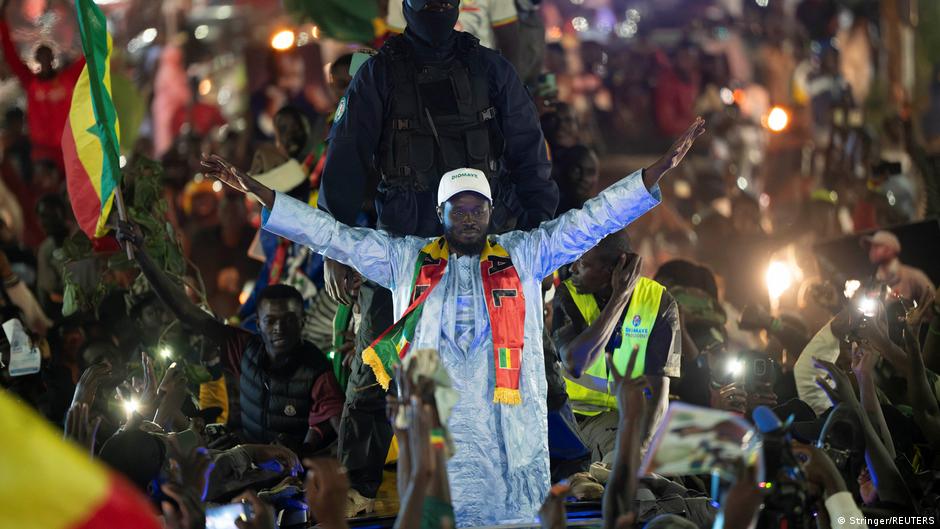
In his hometown of Mbour, the presidential coalition “Diomaye Président” made a deliberate move to signal a clear break from the Pastef movement. The gathering, officially framed as a performance review, carried significant political weight, particularly in shaping the balance of power within the ruling majority ahead of upcoming elections.
asserting independent presidential leadership
Two years into his presidency, Bassirou Diomaye Faye is seeking to carve out a distinct political identity, moving beyond the Pastef party that propelled him to power in 2024. While the event in Mbour was billed as a routine performance evaluation, it concealed deeper political calculations—both in consolidating power within the ruling coalition and in shaping strategies for future elections.
The president has, over recent months, sought to distance himself from Pastef, the movement led by his Prime Minister Ousmane Sonko. In a widely discussed interview earlier this month, Bassirou Diomaye Faye criticized what he called an “excessive personalization” of the political project—a thinly veiled critique of Sonko’s outsized influence in Senegalese politics.
The Mbour rally fits into this broader strategy. Observers view it as an intentional effort to cultivate a “Diomayeist” faction—one aligned with the presidency but separate from Pastef’s grassroots machinery. This institutional pivot underscores the constitutional hierarchy, reminding all that the president remains the ultimate authority within Senegal’s executive branch.
a high-stakes popularity test in Mbour
Selecting Mbour as the venue was no coincidence. It is both a key electoral stronghold and a secure testing ground for gauging presidential mobilization strength. The large turnout at the Caroline-Faye stadium demonstrated the coalition’s ability to draw support beyond strictly Pastef-aligned networks, even though the president’s absence—replaced by a video address—sparked discussion.
Analysts highlight two key objectives: proving an independent popular base and psychologically preparing the public for a potential political realignment ahead of the upcoming legislative elections and, crucially, the 2029 presidential vote.
the looming 2029 question
At Mbour, several coalition figures openly urged Bassirou Diomaye Faye to seek a second term—a premature but telling move. If constitutionally permissible, this stance reshapes the dynamics within the majority, either necessitating a long-term cohabitation with Ousmane Sonko or forcing a clear delineation of roles and ambitions.
Yet the relationship between the two leaders is increasingly strained. Targeted dismissals, a retooled presidential communications strategy, and disputes over coalition control reflect a simmering power struggle at the heart of the state. An open rupture would weaken the majority, while an ambiguous cohabitation risks fueling political fatigue.
The president faces immense social expectations: youth employment, rising living costs, judicial reforms, and economic governance. While the government touts progress, several promised reforms remain stalled, fueling growing public impatience across Senegal.
In this context, the Mbour gathering also serves as a rallying cry at a time when the executive acknowledges “challenging times” ahead, driven by budget constraints and rising debt.
a pivotal moment for Senegal’s presidency
The Mbour event transcends a mere political rally—it marks a turning point in Bassirou Diomaye Faye’s presidency. It signals his transition into a more conventional, though riskier, phase of governance: one where he must balance political loyalty, institutional authority, and long-term strategic planning.
Whether this strategy of differentiation strengthens his position or triggers lasting internal strife remains uncertain. In a country where unified leadership has long been touted as the cornerstone of the 2024 “rupture,” the stakes could not be higher.