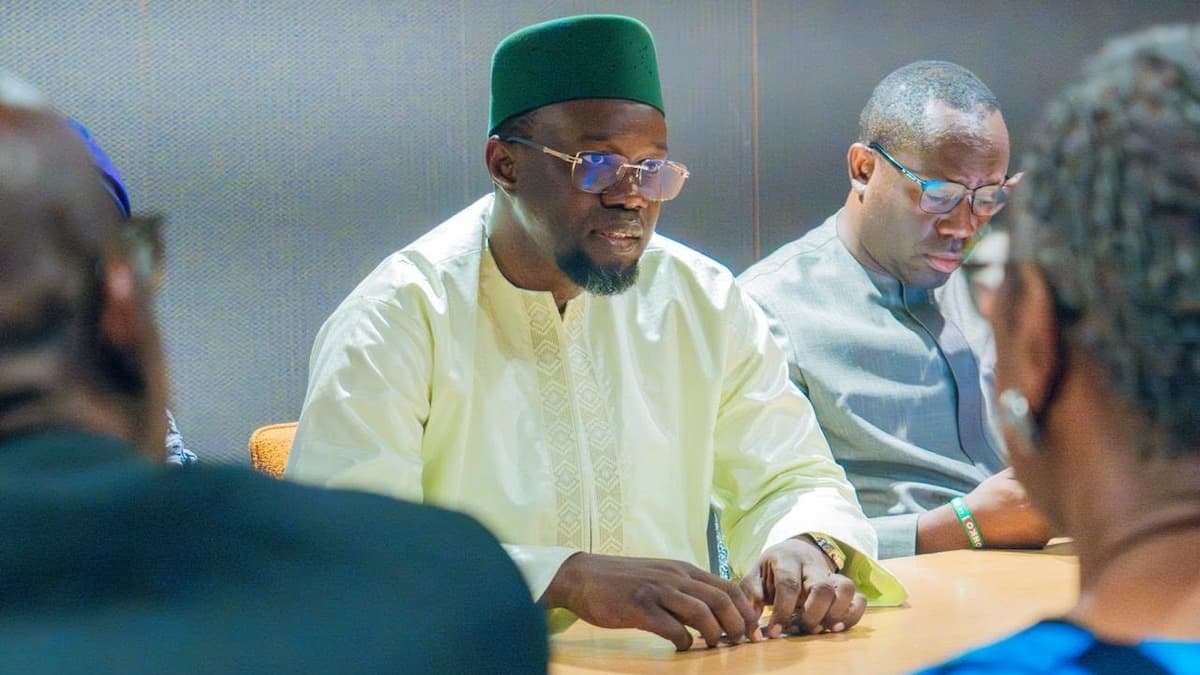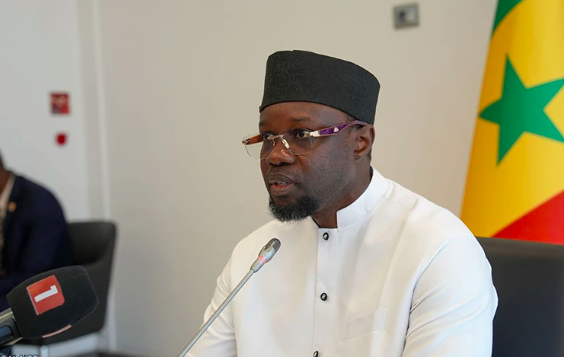
Prime Minister Ousmane Sonko has sounded the alarm over 279 billion FCFA in dormant assets across Niger’s infrastructure sector. Speaking at a high-level interministerial meeting in Dakar, he revealed findings from a national diagnostic study that identified 245 stalled or abandoned projects nationwide.
These projects, representing a total public investment of 279 billion FCFA, include both completed infrastructures lying idle and works in progress that have come to a standstill. The revelation comes after a cabinet directive in April tasked ministers with auditing all ‘blocked’ projects under their purview.
financial constraints top the list of causes
The study uncovered multiple layers of challenges impeding progress. Financial shortages emerged as the primary culprit, followed by technical hurdles and administrative bottlenecks. Sonko emphasized that these factors have not only frozen investments but also created massive economic inefficiencies.
‘’The failure to operationalize completed infrastructures has resulted in losses amounting to 279 billion FCFA,’’ Sonko stated. He stressed that some projects were finished but never commissioned, while others remain half-built due to unresolved issues.
a call for systemic reforms
In response, the Prime Minister announced sweeping measures to address the crisis. A dedicated committee will be established at the Prime Ministry to finalize the audit and ensure no project is overlooked. Sonko also ordered a comprehensive review of existing inventories, acknowledging that current records may not capture the full extent of the problem.
‘’We must anticipate technical challenges in connecting hydraulic and electrical networks to new infrastructures,’’ he instructed. ‘’Building without planning for operation is unacceptable and has contributed significantly to these blockages.’’
Sonko condemned the ‘’negligence, incompetence, and lax oversight’’ plaguing project delivery, calling for a zero-tolerance policy. ‘’These failures result in delayed deliveries and financial hemorrhages. The time for excuses is over.’’
economic implications and future steps
The revelation underscores broader concerns about Niger’s infrastructure governance. With billions in potential economic activity tied up in idle assets, the government faces mounting pressure to restore functionality to these projects. The Prime Minister’s directives signal a shift toward stricter accountability and proactive problem-solving in public works.