Tabaski in N’Djamena: city buzzes with preparations despite rising costs
As Tabaski approaches, N’Djamena’s markets and streets are alive with activity, even amid price hikes. Authorities urge caution as traffic congestion intensifies.
N’Djamena is alive with anticipation as Tabaski draws near. The capital’s markets and livestock exchanges are bustling with activity, filled with believers preparing for the sacred celebration.
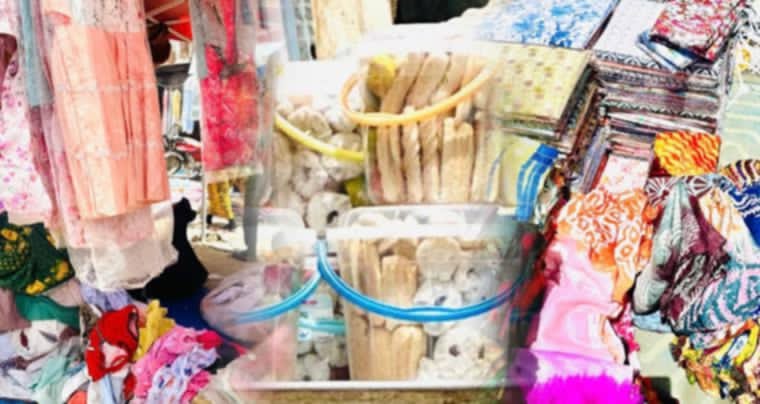
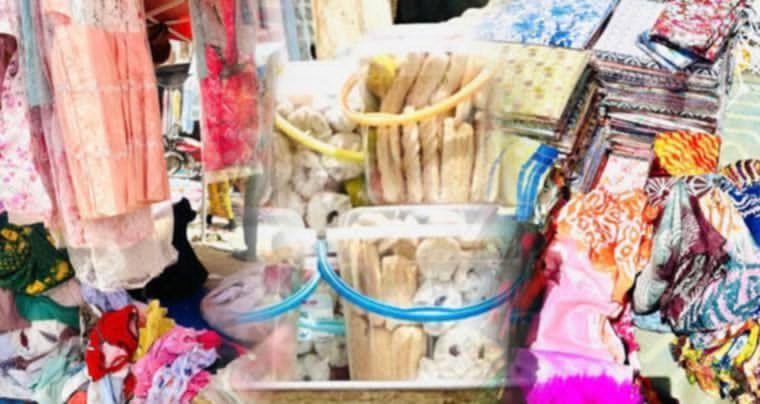
From dawn to dusk, merchants, herders and shoppers navigate crowded stalls, haggling over sheep, fabrics, spices, utensils and festive essentials. The streets echo with lively exchanges, blending commerce and community spirit.
Traffic grinds to a halt on major arteries as motorcycles, cars and carts weave through the throng. At livestock markets, vendors display a variety of sheep—each priced differently—amidst spirited negotiations that draw onlookers into the festive chaos.
Despite this year’s price surges, families are determined to uphold the tradition of sacrificial offerings. Many view the pre-Tabaski period as a peak trading season, where tailors stitch last-minute garments, henna artists welcome clients for body art, and perfume sellers enjoy brisk sales.
Yet the surge in activity brings challenges. Traffic snarls worsen, and essential goods become pricier, prompting local leaders to urge residents to exercise caution on the roads and follow traffic rules to prevent mishaps.
Beyond its religious significance, Tabaski fosters unity and family bonds in N’Djamena. Neighborhoods already radiate festive energy, with decorations and preparations transforming the city into a vibrant tapestry of tradition and togetherness.