Tchad denies allegations of civilian casualties in anti-jihadist strikes
The Chadian government has firmly rejected accusations of civilian casualties resulting from military operations against Boko Haram in the Lake Chad region. While N’Djamena stands by its armed forces, it has pledged to conduct thorough investigations into the claims.
N’Djamena upholds military integrity amid UN criticism
The Chadian government, through its spokesperson Gassim Chérif Mahamat, has strongly condemned allegations that could « undermine the credibility of the Chadian army ». He emphasized that the country’s armed forces operate with professionalism and remain fully committed to combating terrorism across the Sahel and Lake Chad regions. These statements follow a United Nations human rights statement reporting airstrikes—attributed to Chadian and Nigerian forces in northeast Nigeria—that allegedly resulted in dozens of civilian deaths.
UN calls for swift and impartial investigations
Volker Türk, the UN High Commissioner for Human Rights, has urged authorities in both Chad and Nigeria to conduct prompt, thorough, independent, and impartial investigations into the incidents. He stressed the need for military operations to adhere to international humanitarian law, declaring, « Civilians and civilian infrastructure must never be targeted. » Türk also called on both nations’ armed forces to take all necessary precautions to prevent civilian harm.
Chad pledges transparency in potential probes
Despite dismissing the allegations, the Chadian government has expressed willingness to investigate. Gassim Chérif Mahamat reassured that the country’s independent judiciary is fully capable of conducting transparent inquiries. Nigeria’s military, in turn, has stated that its operations targeted « confirmed terrorist structures » exclusively used by armed groups, denying any civilian presence in the strike zones.
The Lake Chad basin: a decade-long jihadist stronghold
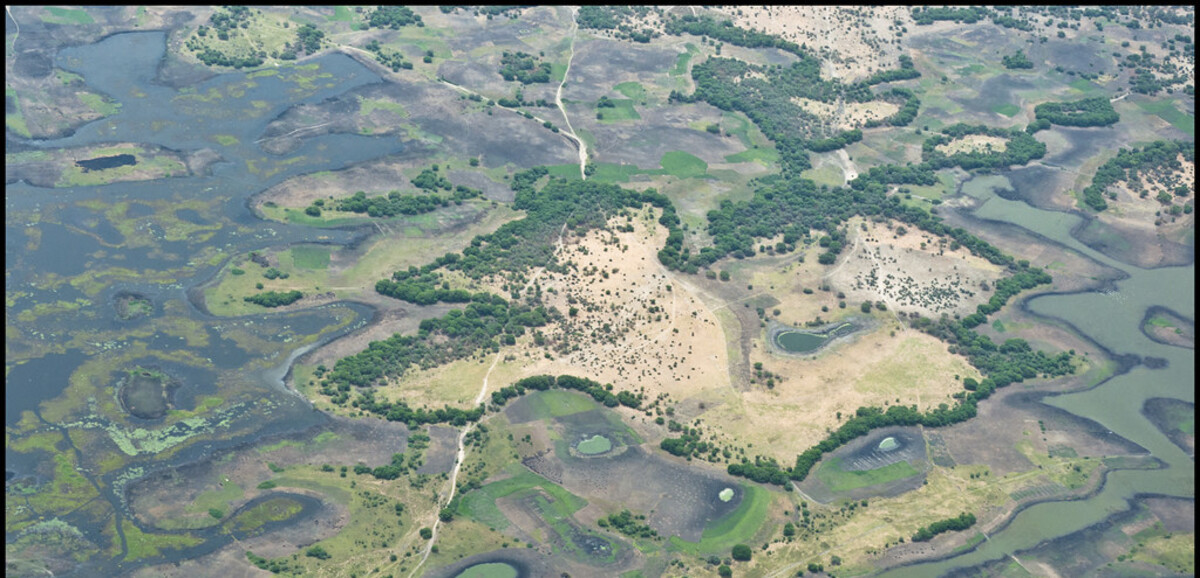
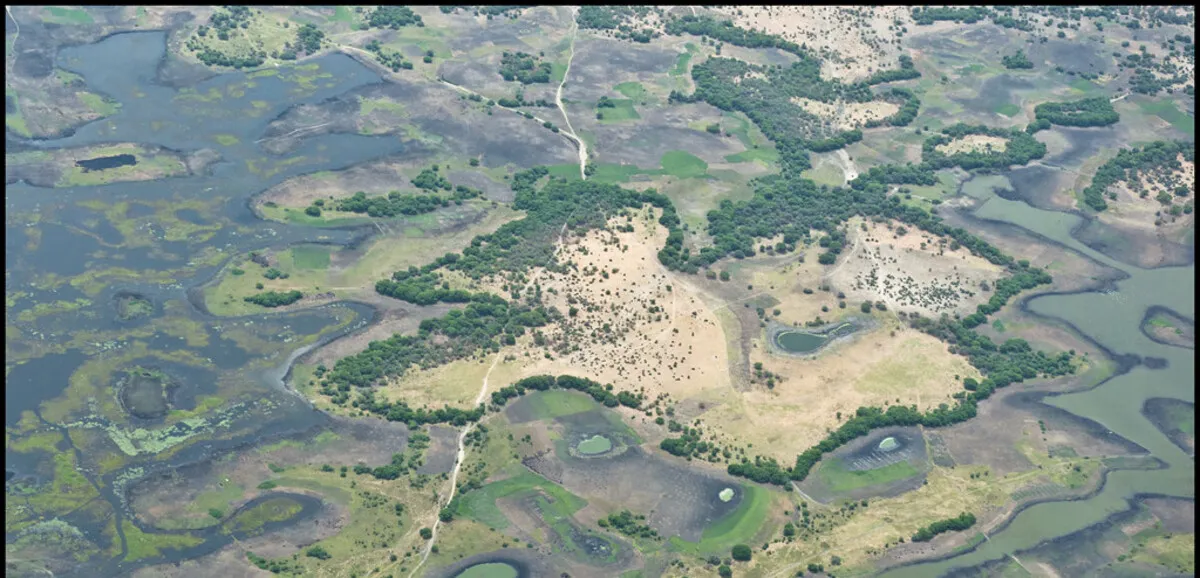
For over 15 years, the Lake Chad basin has emerged as one of Africa’s most critical jihadist hotspots. The vast, marshy region—spanning Nigeria, Niger, Cameroon, and Chad—has become a refuge for Boko Haram and the Islamic State’s West Africa Province (ISWAP). Regional militaries continue to conduct frequent counterterrorism operations in this unstable security environment, where the threat of armed group violence remains ever-present.