Protests erupt in Democratic Republic of Congo as third term push gains momentum
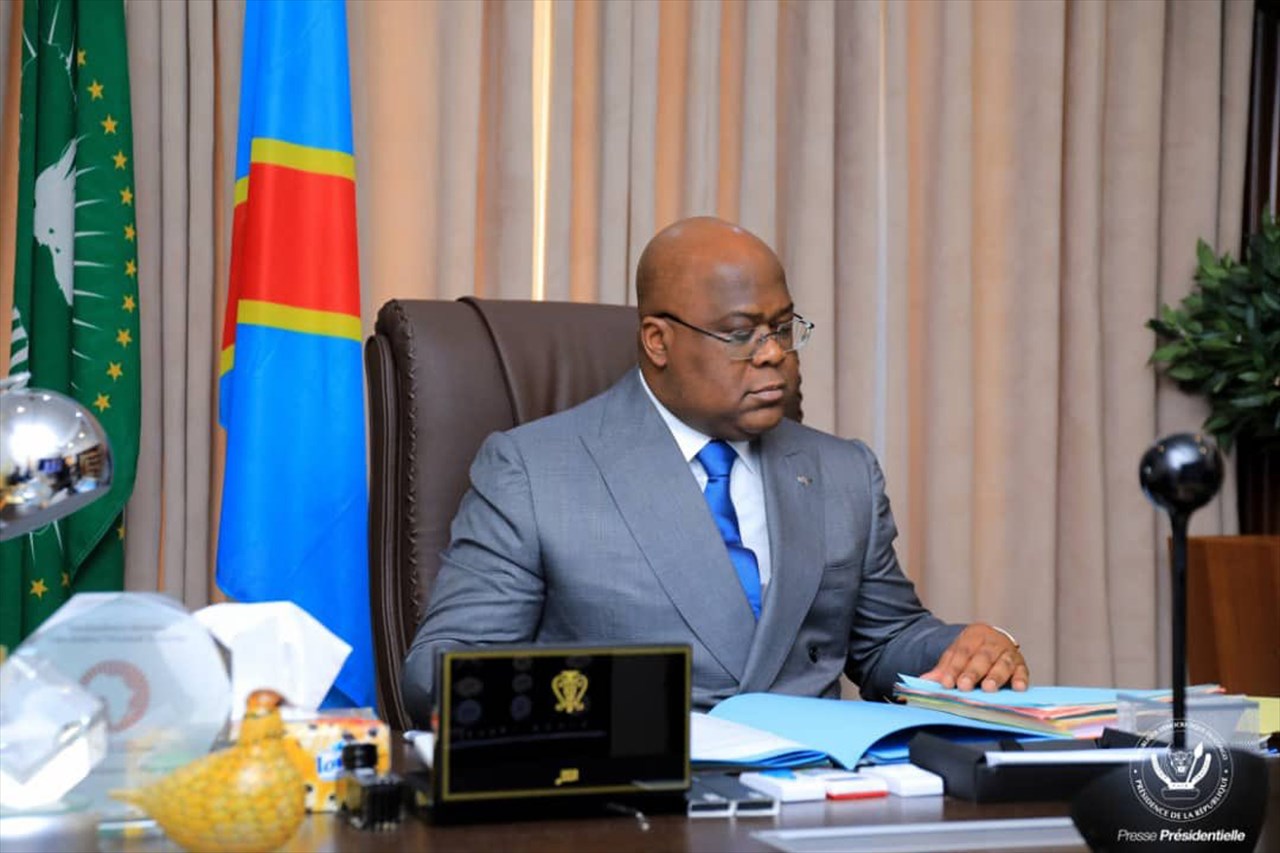
The political landscape in Democratic Republic of Congo is heating up as opposition factions and civil society groups escalate pressure against President Félix Tshisekédi’s potential bid to extend his stay in power beyond constitutional limits. On June 3, a broad coalition of critics, organized under the umbrella of the C 64 movement, called for a nationwide ‘city dead’ strike to voice opposition to any constitutional revision allowing a third term. The response was immediate and widespread, with major urban centers—especially Kinshasa—grounding to a near halt as businesses, markets, and public services shut down in protest.
The strike’s success underscored deep public discontent, but it may not be enough to sway the president’s resolve. Tshisekédi, who has already navigated around constitutional constraints by pursuing a referendum-based approach, appears determined to defy critics and push forward with his political ambitions. His move mirrors a familiar pattern across the continent, where leaders often reinterpret legal frameworks to remain in office despite term limits.
Political tug-of-war intensifies
With the opposition emboldened by the strike’s impact, the stage is set for a prolonged confrontation. Tshisekédi’s camp is not backing down either. In a counter-move, religious leaders allied with the government have announced plans for a public rally on June 5 to rally support for the constitutional changes. The outcome of this standoff will hinge on the balance of power on the ground—whether the president’s supporters can mobilize sufficient backing or if opposition forces can sustain their momentum.
History offers a cautionary tale. When Tshisekédi himself was in the opposition, he fiercely resisted then-President Joseph Kabila’s attempt to seek a third term in 2018. Mass protests eventually forced Kabila to step back, though he later engineered the selection of a handpicked successor, Emmanuel Ramazani Shadary, who was decisively defeated in the subsequent election. The irony is not lost on observers: the same tactics Tshisekédi once championed are now being used against him.
A nation at a crossroads
Beyond the constitutional debate, DRC faces a cascade of crises that demand urgent attention. The eastern regions remain embroiled in conflict, with armed groups exploiting the power vacuum. Meanwhile, the resurgence of Ebola adds another layer of strain on an already fragile healthcare system. Critics argue that Tshisekédi’s preoccupation with staying in power distracts from these existential challenges. Religious leaders, including prominent figures who previously endorsed him, had urged immediate inclusive dialogue to address the country’s multifaceted crises. Yet, months later, tangible progress remains elusive.
As the political standoff deepens, one question lingers: Is Tshisekédi overestimating his position of strength, or is he willing to risk further instability to achieve his goals? In a region where history often repeats itself with tragic consequences, the answer may soon become clear.