The high plateaus of Fizi and Mwenga in South Kivu have just endured a week of relentless combat. Fighters from the Twirwaneho group, aligned with the AFC-M23 coalition, have successfully pushed back a multi-front assault led by the Forces armées de la République démocratique du Congo (FARDC), supported by the Force de défense nationale du Burundi (FDNB) and Wazalendo militias.
Following these intense engagements, the Twirwaneho/M23 alliance has secured several strategic positions surrounding Minembwe. The government coalition and its allies were forced to retreat toward the localities of Lwiko, Mutunda, and Miko. The fighting reached its peak mid-week, characterized by the heavy use of artillery, drones, and aerial bombardments.
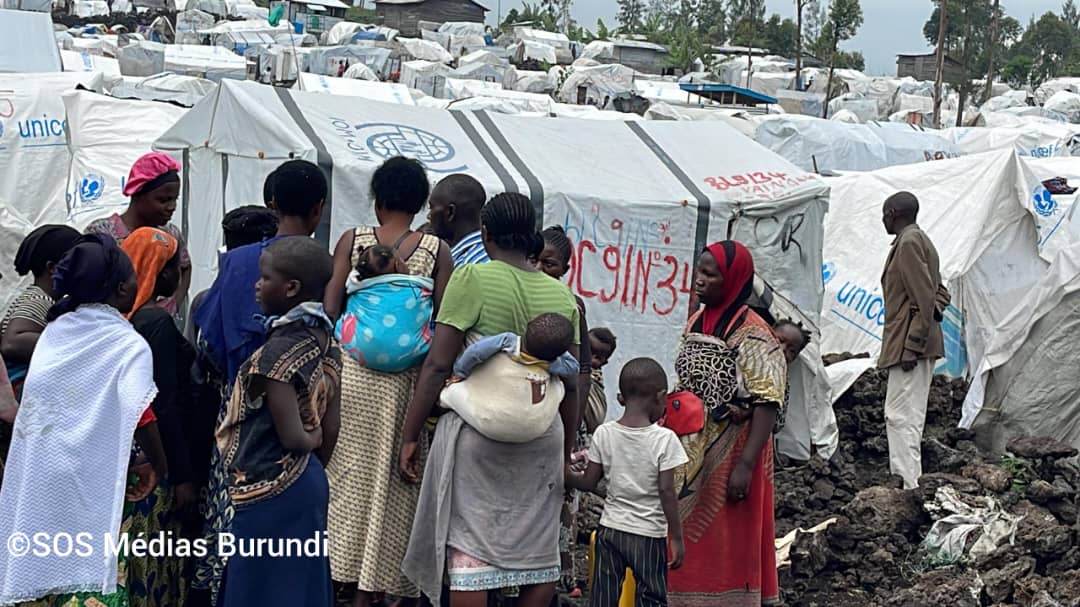
In the wake of the clashes, civilians have fled in large numbers toward Kiziba. Witnesses describe scenes of chaos as residential areas were caught in the crossfire of heavy weaponry. While official casualty figures remain unavailable, local military sources acknowledge a strategic repositioning after particularly brutal exchanges in the Ilundu and Bidegu sectors.
Reports from the front lines suggest that Burundian FDNB troops abandoned equipment during their withdrawal toward Kakenge. Significant losses are suspected within the ranks of the FARDC and their allied militias, though no formal tally has been released.
Consolidation of positions and military claims
The Twirwaneho and M23 forces are now projecting a narrative of decisive victory. They maintain that the government offensive has been neutralized, allowing them to strengthen their grip on the outskirts of Minembwe. Former national deputy Moïse Nyarugabo noted that the immediate threat to the town has been repelled.
According to his assessment, despite the deployment of Sukhoi fighter jets and advanced drone technology, the coalition forces were driven back beyond the Lwiko River. He argued that the military operations of the past several months have failed to bring lasting security to the volatile high plateaus and accused the government-led coalition of causing widespread displacement through indiscriminate shelling.
The controversy of Burundian intervention
The active involvement of the Burundian military (FDNB) alongside the Congolese army remains a point of contention. Security analysts suggest that Kinshasa may have offered Gitega mining concessions in the Fizi territory in exchange for this military backing, though neither government has confirmed such an arrangement.
However, Presidents Félix Tshisekedi and Évariste Ndayishimiye have previously formalized a bilateral security pact. Data indicates that over 29,000 Burundian soldiers were deployed to eastern République démocratique du Congo between August 2022 and late 2025. This presence has recently been reinforced following the M23’s temporary occupation of Uvira, a strategic hub that was held for nearly a month before a rebel withdrawal earlier this year.
While some AFC-M23 elements have recently pulled back from the Rusizi plain under international diplomatic pressure, the core of the conflict remains centered on the alliance between the M23 and the Twirwaneho movement, which draws its strength from the Banyamulenge community.
Regional tensions and the path forward
The conflict continues to be fueled by deep-seated regional animosities. Kinshasa frequently points to Rwanda as the primary benefactor of the AFC-M23, a claim Kigali consistently denies. In turn, Rwanda accuses the Congolese government of collaborating with the FDLR, a group linked to the 1994 genocide. Burundi has also entered this cycle of accusations, claiming Rwanda supports insurgents against Gitega, while Kigali maintains that Burundi is working with hostile armed groups in the region.
As the M23—which resumed its insurgency in late 2021—continues to control vital economic corridors in both North and South Kivu, the high plateaus of Minembwe remain a focal point of instability. Despite numerous diplomatic initiatives, the lack of a sustainable ceasefire ensures that this region of the Grands Lacs remains a theater of ongoing war.