
Us military strikes planned in Mali amid rising jihadist threats
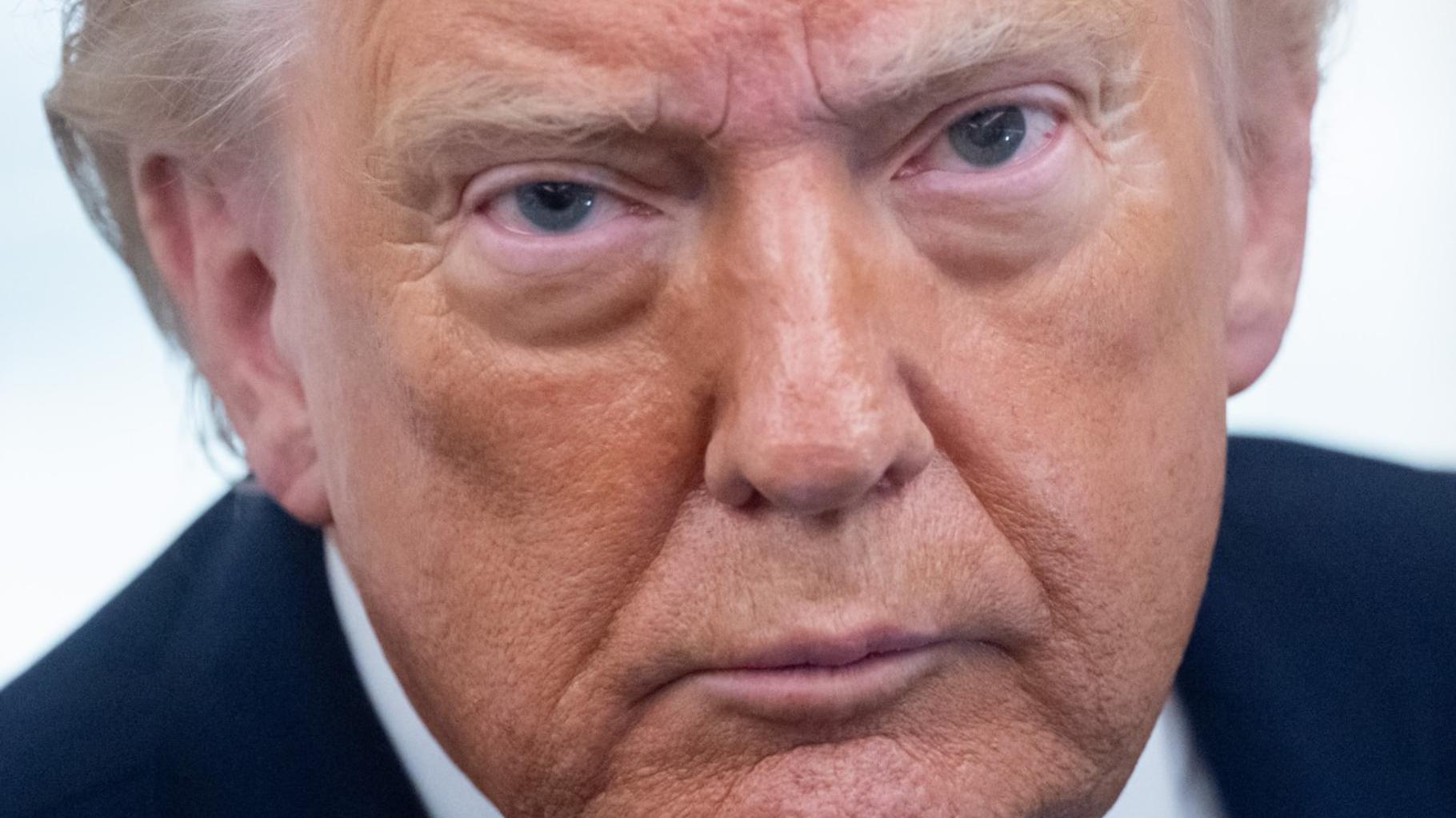
In a potential expansion of its military footprint, the United States is weighing the possibility of targeted strikes against the Jama’at Nusrat al-Islam wal-Muslimin (JNIM), an Al-Qaeda-linked militant group operating in Mali. According to insider accounts, the administration of former President Donald Trump is actively debating the move, though no final decision has been reached.
The JNIM, recognized as one of the most formidable armed factions in West Africa, has seen its influence surge in recent years. Its operational reach now extends beyond Mali, encompassing several coastal nations in the region. Insiders suggest that the deteriorating security situation across the Sahel has further emboldened the group, prompting Washington to reconsider its counterterrorism strategy.
Among the strongest advocates for intervention is Sebastian Gorka, a counterterrorism adviser within the National Security Council. However, divisions persist within the administration, with some officials questioning the long-term efficacy of such an operation. If implemented, these strikes would mark the eighth such campaign under Trump’s second term, signaling a significant escalation in America’s approach to regional extremism.
While the White House has not publicly confirmed plans for military action, a senior official confirmed that Washington is actively urging North and West African governments to bolster their counterterrorism capabilities by acquiring advanced American defense systems and services. The official described the Sahel’s jihadist threat as a « multinational challenge », underscoring the need for regional cooperation.
What are the risks of a US-led military campaign in Mali?
Critics warn that a direct intervention could backfire, potentially undermining efforts to deradicalize and demobilize fighters within the JNIM. Corinne Dufka, an independent Sahel security analyst, cautioned that eliminating top leaders might not dismantle the group’s intricate structure, leaving room for further radicalization among its ranks.
Historic precedent raises additional concerns. Despite a decade-long French military presence in Mali followed by five years of Russian support, jihadist expansion has persisted unchecked. Analysts argue that a new wave of strikes could similarly fail to achieve lasting stability, particularly if local grievances remain unaddressed.
Another pressing issue is the potential for unintended consequences, including the unintentional strengthening of rival factions. The Islamic State in the Sahel, a competing extremist group, could exploit any power vacuum left by a weakened JNIM, further destabilizing the region.
Geopolitical tensions add another layer of complexity. The presence of Russian forces in Mali—part of a broader outreach to African nations—has yielded mixed results, according to American officials. One official remarked, « We hope other African nations take note of Russia’s underwhelming performance in combating terrorism. » This sentiment reflects growing skepticism about external military solutions in the Sahel.