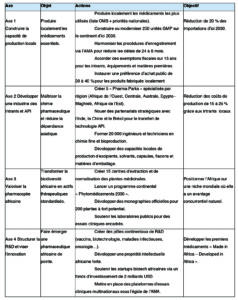
For decades, most African nations have relied heavily on imported medicines to meet their populations’ healthcare needs. In this analysis, Dr. Arnaud Kaboré, pharmacist and engineer, outlines a strategic roadmap for public leaders to achieve pharmaceutical self-sufficiency in Africa by 2045.
Why Africa’s pharmaceutical dependence is a growing health crisis
Despite progress in some areas, fewer than five African countries currently operate manufacturing facilities capable of exporting beyond their borders. Shockingly, the continent still imports 94% of its medicines at an annual cost exceeding $18 billion—a figure expected to surge past $30 billion by 2030. While the economic burden is staggering, the deeper concern lies in the structural vulnerabilities this dependence creates.
Healthcare systems across Africa face persistent shortages, with over 70% of public health facilities reporting at least one critical stockout per quarter. Is it sustainable for 1.4 billion Africans to depend almost entirely on decisions made outside the continent? The COVID-19 pandemic exposed these risks all too clearly—from shortages of essential drugs like amoxicillin and insulin to chronic unavailability of cancer treatments and anesthetics. The consequences are dire: untreated illnesses, price surges during shortages, and crippled public health programs when treatments vanish.
Yet Africa possesses untapped potential:
- A booming market: The African pharmaceutical sector could exceed $70 billion by 2030, according to industry projections.
- Rich biodiversity: Over 5,400 medicinal plants have been documented, some already integrated into official therapeutic protocols.
- Regulatory momentum: The African Medicines Agency (AMA), ratified by 27 countries, is harmonizing standards across the continent.
- Political commitment: Nations like Burkina Faso, Rwanda, Egypt, Morocco, Senegal, and South Africa have launched bold local production initiatives.
Building a sustainable pharmaceutical industry: lessons from Africa’s past mistakes
One critical error has been attempting to replicate the models of global pharmaceutical giants without establishing the necessary foundations or value chains. Industrialization cannot be achieved by importing equipment alone—it requires parallel investment in human capital, technical expertise, and local industrial assets. Without these, local production often becomes more expensive than imports, perpetuating dependence on foreign raw materials, technologies, and expertise.
True pharmaceutical sovereignty demands rigor, long-term vision, and a strategy rooted in Africa’s unique strengths: a growing market, medicinal biodiversity, regulatory progress, and strong political will. Public leaders must prioritize building a pharmaceutical industry that serves Africa’s needs first—producing locally to heal locally, and eventually, healing the world.
Dr. Arnaud Kaboré
Pharmacist and Health Sector Executive Leader