Algeria’s parliament is set to hold an emergency session on October 25, sparking intense debate over the country’s potential military engagement in Niger. While speculation swirls about a possible deployment, the broader implications touch on regional sovereignty, shifting alliances, and the evolving security landscape in the Sahel.
Urgent session fuels military deployment speculation
The extraordinary gathering of both legislative chambers has raised questions about Algeria’s next steps in its Sahel security strategy. With no official agenda released, observers are weighing whether the meeting signals approval for military action in Niger or addresses other pressing matters.
As of now, no formal announcement confirms a decision to intervene militarily. Yet recent political and military developments suggest Alger may be reassessing its regional posture, with Niger at the center of its calculations.
Military ties with Niger signal shifting dynamics
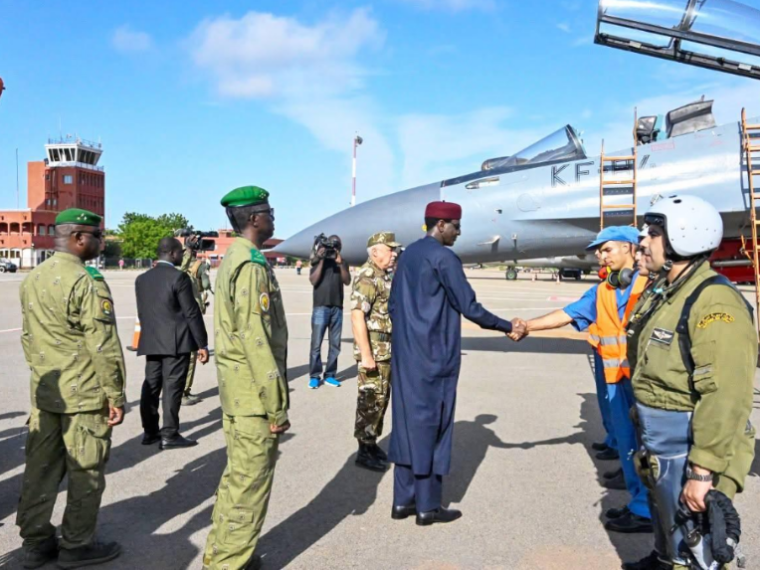
A key development occurred on August 30, 2026, when Algeria deployed four Su-30 fighter jets and a refueling aircraft to Niamey at the request of Nigerien authorities. This move, framed as cooperation, underscores Algeria’s intent to maintain operational influence amid regional instability, weakening traditional alliances, and competition from external powers.
Further solidifying this partnership, Alger and Niamey signed a military cooperation protocol on October 21. While the details remain undisclosed, the agreement highlights deepening security ties between the two nations, even if it doesn’t confirm imminent military operations.
Constitutional hurdle: parliament’s role in overseas deployments
Algeria’s constitution mandates parliamentary approval for any overseas deployment of its armed forces. Article 91 requires a two-thirds majority in both chambers for such actions, which may explain the urgency of the upcoming session.
However, the lack of a published agenda means caution is warranted. The session could address matters unrelated to Niger, and conflating institutional procedures with confirmed military decisions risks misinterpreting the situation.
Strategic stakes for Niger and Algeria
For Niger, stronger ties with Algeria could diversify its security partnerships at a time of persistent armed threats and shifting alliances. Algeria, sharing a border with Niger, has a direct stake in countering cross-border armed groups, trafficking, and destabilization risks that could spill into its own territory.
Algeria’s focus may be on prevention rather than offensive action. Support missions, cooperation, or deterrence measures differ significantly from combat interventions, and distinguishing these is critical.
Regional power rivalries add complexity
Some reports suggest Algeria might target Emirati interests in Niger amid broader influence competitions. Yet, no official evidence supports this claim. Direct confrontation with a third-party state would mark a major strategic shift, carrying diplomatic and security costs while risking further regional fragmentation.
It’s essential to separate speculation about power rivalries from verified military plans. Without documented intent, such theories remain unproven.
October 25: a defining political moment
Beyond the speculation, the parliament session raises a pivotal question: how far will Algeria go to safeguard its security interests in the Sahel?
A potential approval for foreign deployment would send a strong political signal. Conversely, a session on unrelated topics would underscore that timing alone doesn’t imply causation. The agenda, resolutions, and post-meeting statements will clarify whether Algeria plans to bolster support for Niger or adopt a more assertive military stance.
For now, one fact remains clear: Algerian-Nigerien cooperation is advancing, but military intervention is unconfirmed. In a volatile Sahel, where every military move can reshape power dynamics, precision in reporting is vital to distinguish strategic signals from uncertain scenarios.