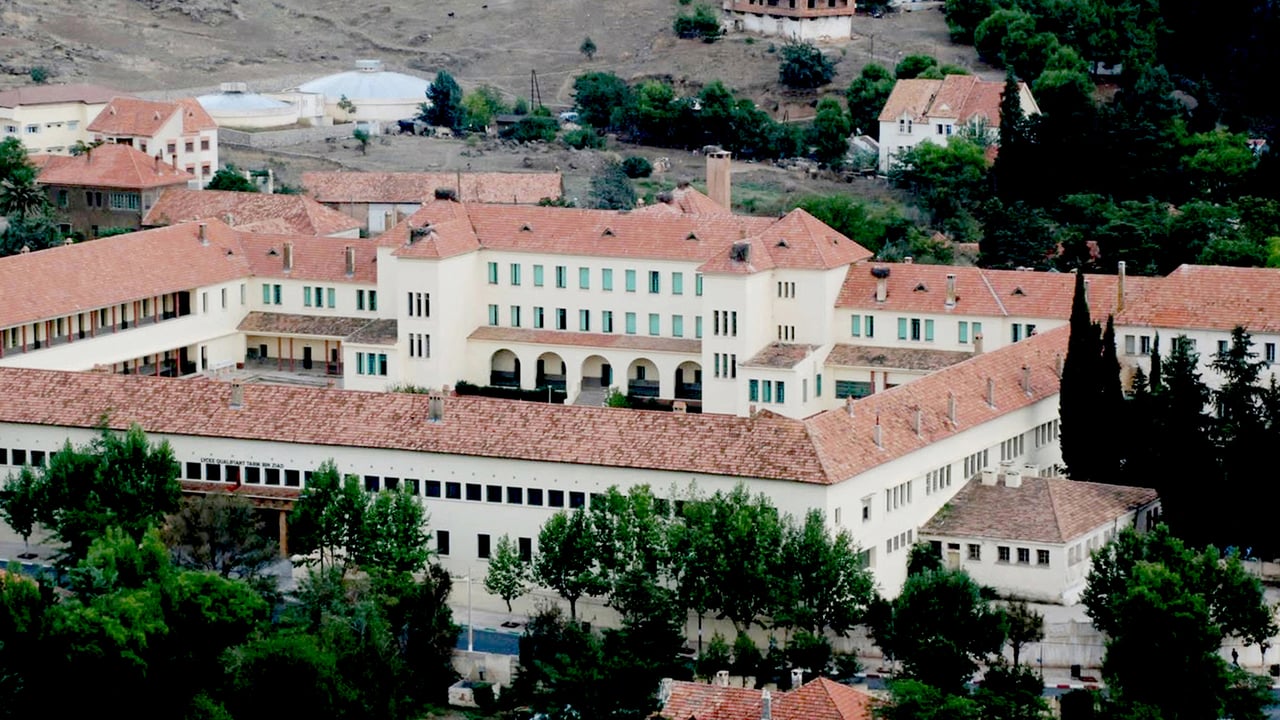
Nestled in the heart of the Middle Atlas, the town of Azrou became the unlikely crucible for one of Morocco’s most ambitious experiments in education and identity. The Collège Berbère d’Azrou, later renamed Lycée Tarik Ibn Ziad, was conceived under French colonial rule as the flagship institution of a so-called ‘Berber policy’—a calculated effort to groom a francophone Amazigh elite loyal to the protectorate’s interests.
From colonial design to nationalist awakening
The college’s founding in 1927 was no accident. As part of France’s broader strategy to divide and rule, it sought to create a class of administrators, military officers, and judges who would serve colonial objectives while remaining culturally detached from the nationalist movements brewing in cities like Fès and Rabat. Yet history took an unexpected turn.
The alumni who redefined the mission
Far from producing compliant civil servants, Azrou’s classrooms incubated a generation of leaders who would go on to challenge colonial authority. Among its most distinguished graduates were 13 future generals, several ministers, governors, and magistrates. Many went on to serve King Mohammed V during the struggle for independence, while others became key figures in the post-colonial state. Some even found themselves entangled in the turbulent events of 1971 and 1972, when Morocco faced two failed coups.
These alumni did more than just ascend to positions of power—they reshaped Morocco’s political landscape. Figures like Mohamed Benhlal, whose research on the college’s legacy provides critical insights, highlight how Azrou’s students became the very architects of their nation’s future, often defying the colonial vision that had shaped their education.
The paradox of Azrou’s legacy
What began as an instrument of control evolved into an incubator for nationalist fervor. The college’s curriculum, designed to distance students from their Amazigh heritage, ironically fostered a deep sense of cultural pride. French became the language of instruction, but it was among these walls that many students first encountered the ideas of resistance and self-determination. By the time Morocco gained independence in 1956, Azrou had already produced a class of leaders who would define the nation’s trajectory.
The college’s story is one of unintended consequences—a colonial project that backfired spectacularly. Today, the Lycée Tarik Ibn Ziad stands as a testament to the resilience of Morocco’s Amazigh identity, proving that no policy, no matter how carefully crafted, can fully suppress the aspirations of those it seeks to control.