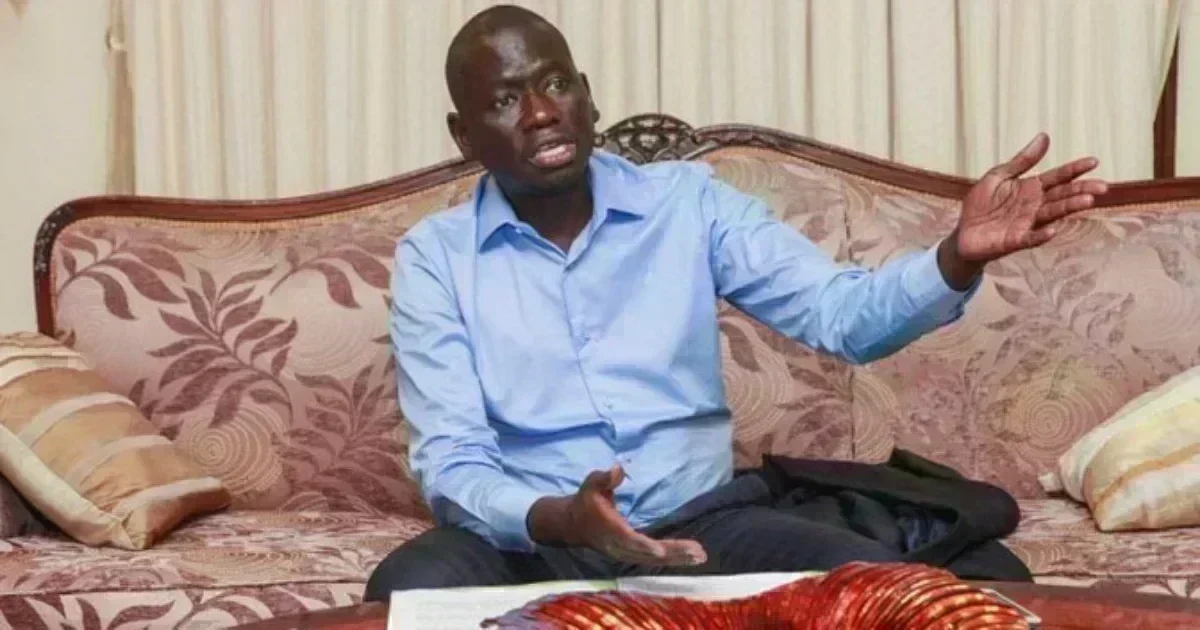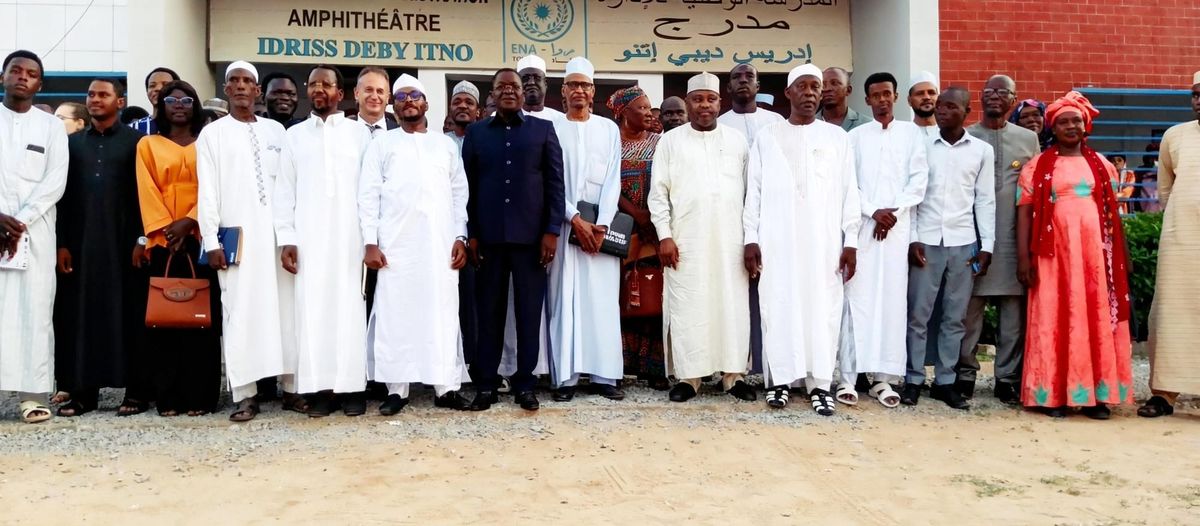
Albert Pahimi Padacké, former Prime Minister and current Senator, has sharply criticized Chad’s excessive centralization during a high-profile conference-debate on provincial councils. Speaking at N’Djamena’s Idriss Déby Itno National Administration School, he urged urgent reforms to empower local governance and break the state’s entrenched resistance to change.
The event drew a packed audience of civil servants, students, and political figures eager to explore the theme: “Decentralization for Development: The Case of Provincial Councils.” Over two hours, Pahimi Padacké dissected the gap between Chad’s decentralization laws and their on-the-ground reality.
Why decentralization matters for Chad’s future
The former head of government acknowledged decentralization’s potential to bring administration closer to citizens, accelerate development, and distribute national wealth more fairly. He argued that empowering provincial councils could transform education, healthcare, and infrastructure by enabling local leaders to act swiftly without relying on distant ministries.
« Chad’s progress cannot be sustained if every decision—no matter how small—must pass through the corridors of power in the capital, » he emphasized.
The invisible wall blocking real change
Despite legal frameworks supporting decentralization, Pahimi Padacké exposed a deeper issue: the state’s « vertical centrality » stifles genuine autonomy. Provincial councils, he said, exist in name but lack financial independence, crippled by a central administration reluctant to relinquish control.
« A decentralization that doesn’t transfer real financial power is just an administrative mirage, » he stated.
Roadmap for reform: trust local leaders
The conference evolved into a call for bold reforms to dismantle the paralyzing hierarchy. Pahimi Padacké urged collective action to transform provincial councils into self-sustaining economic engines rather than passive extensions of the capital.
The lively post-talk debate with future civil servants underscored how governance reform remains a pivotal—and delicate—challenge for Chad’s institutional future.