DR Congo takes bold stance at UN: calls for fair governance of critical minerals
Natural wealth should empower nations rather than destabilize them. This principle guided the Democratic Republic of Congo’s latest diplomatic offensive at the United Nations, where Kinshasa not only defended its economic interests but also challenged a global system it deems inequitable for mineral-rich nations.
UN podium becomes platform for transformative vision
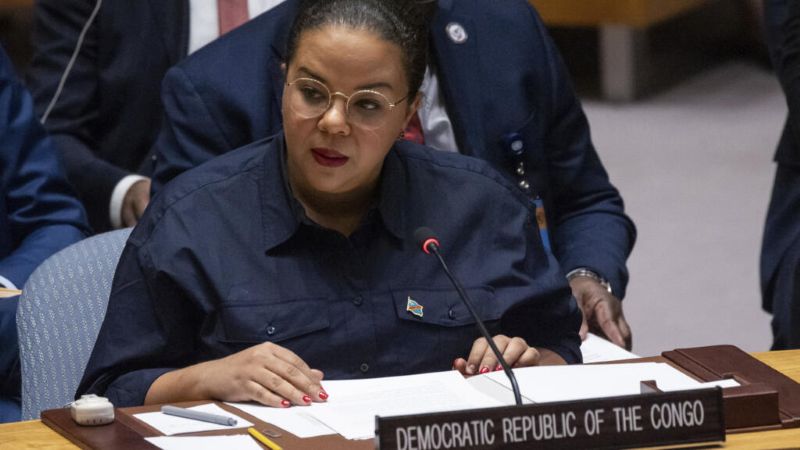
On July 14, 2026, the DRC’s Minister of State for Foreign Affairs and International Cooperation, Thérèse Kayikwamba Wagner, delivered a forceful address at the UN’s high-level meeting on critical minerals for the energy transition. Her message was clear: the global south must move beyond being mere suppliers of raw materials to becoming key players in industrial transformation.
The Congolese diplomat emphasized that the energy transition cannot be considered “fair” as long as producing countries continue exporting resources without benefiting from the added value generated by their processing.
“The real question isn’t where critical minerals come from, but where the value they create remains,” she declared, advocating for investments in infrastructure, energy, research, technology and modernization of artisanal mining in the DRC.
From raw exporter to industrial hub
Kayikwamba Wagner outlined Kinshasa’s ambition to become Africa’s leading industrial hub for processing critical minerals essential for electric batteries, digital technologies and renewable energies. This vision requires a renewed international partnership based on technology transfer, capacity building and fairer distribution of wealth along global value chains.
DR Congo refuses to remain confined to the role of mere exporter. The country now seeks to position itself as a major player in the global energy transition by controlling the entire value chain of its mineral wealth.
Rwanda directly challenged over mineral exploitation
The Congolese minister didn’t limit her speech to economic issues. She placed the debate on critical minerals within the security context of eastern DRC, particularly highlighting Rwanda’s involvement.
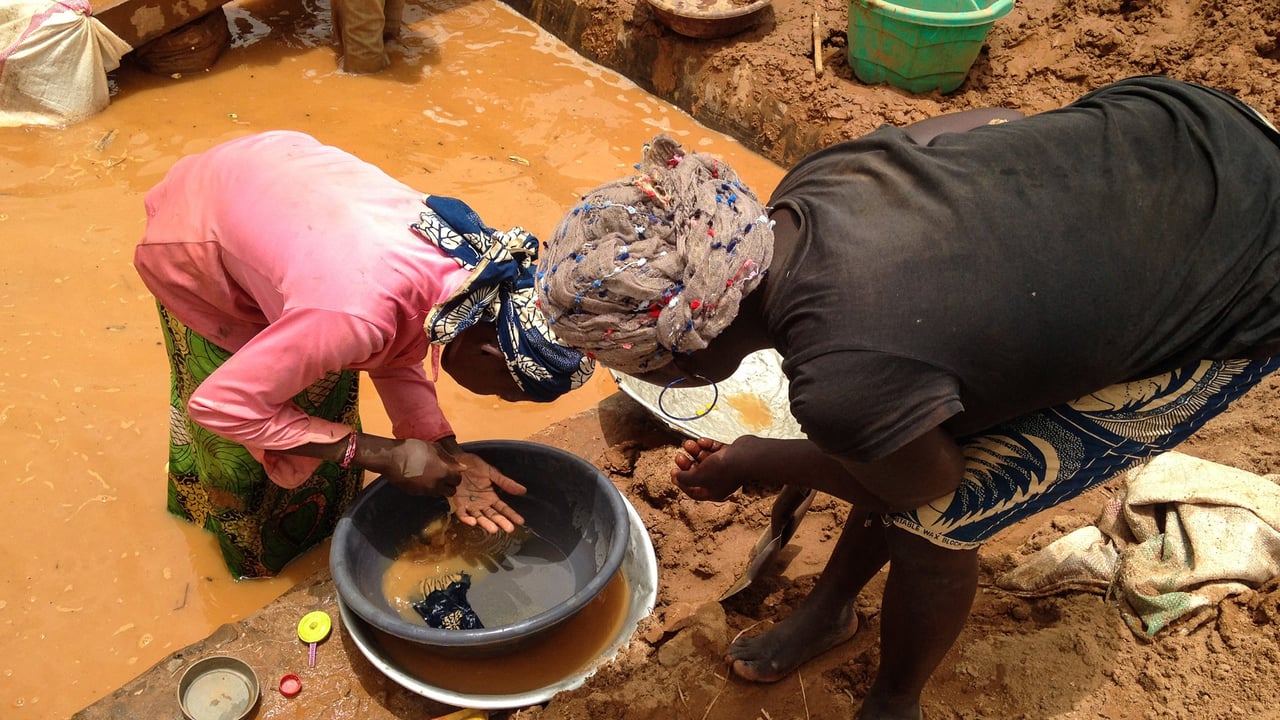
Drawing on UN expert reports, Kayikwamba Wagner cited the case of Rubaya, whose mines account for nearly 15% of global tantalum demand. According to these reports, at least 1,400 tons of coltan were illegally smuggled into Rwanda after the M23 rebel group, backed by Kigali, took control of the area. This illicit trade generates approximately $800,000 monthly for the armed movement.
The foreign minister criticized the fact that despite these findings, Rwandan Defence Forces have not been sanctioned by the UN, highlighting what she described as the international community’s failure to effectively combat the financing of conflicts through illegal exploitation of natural resources.
Linking natural resources, peace and international security
During the DRC’s presidency of the UN Security Council, Kayikwamba Wagner announced her country’s push for a more coherent international framework that directly connects natural resource governance to conflict prevention, peace, security and sustainable development.
She stressed the need to hold all actors in the supply chain accountable – producers, traders, processors, financial institutions, industrialists and consumer countries – so that mineral traceability effectively combats fraud, smuggling and armed group financing without penalizing legitimate artisanal miners.
A diplomatic offensive extending beyond mining
Through this intervention, Kinshasa aims to reposition the international debate on critical minerals. The DRC is no longer merely seeking protection for its resources but demanding a profound reform of global governance in the energy transition, where producing countries would finally benefit from the economic returns of their natural wealth.
By delivering this message at the UN, Congolese diplomacy seeks to increase international pressure on Rwanda regarding illegal exploitation of natural resources in eastern DRC while placing the issue of critical minerals at the heart of debates on peace, international security and sustainable development.