Mali’s security challenge deepens with renewed militant violence
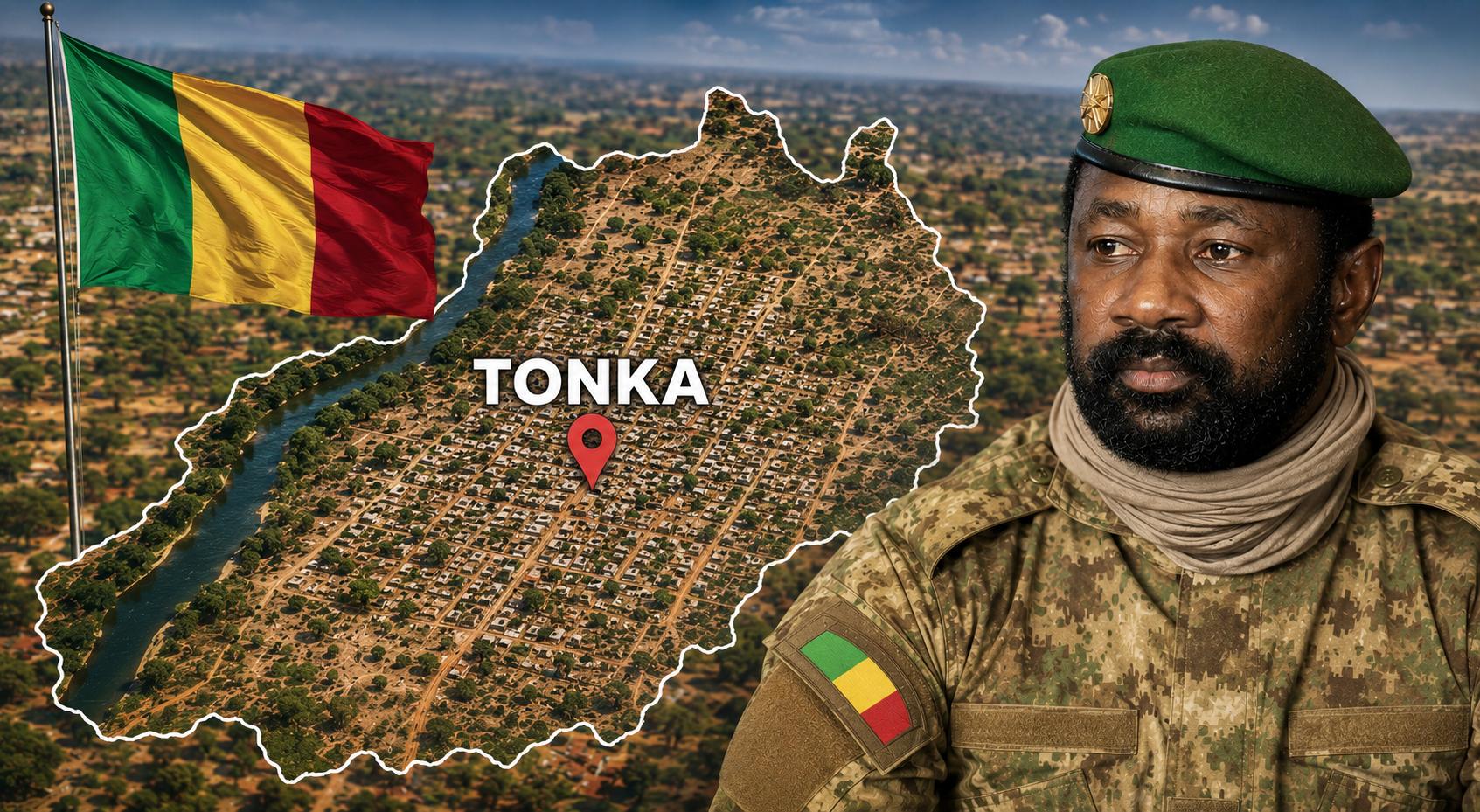
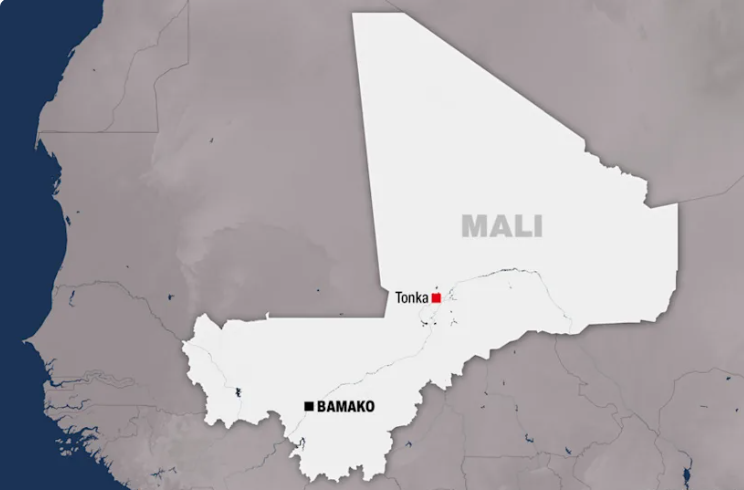
Armed militants linked to the Group for the Support of Islam and Muslims (JNIM) have once again targeted a Malian locality, leaving civilians dead and forcing residents to flee their homes. This latest assault underscores the persistent insecurity gripping several regions, despite ongoing military operations.
The attack highlights the challenges faced by authorities in safeguarding the entire country, as armed groups continue to strike in areas far from major urban centers. The resilience of these militants raises questions about the effectiveness of current security measures.
Assassination of influencer Mariam Cissé sparks outrage
The recent abduction and killing of Malian blogger and influencer Mariam Cissé, widely attributed to JNIM, has sent shockwaves across the nation. Known for her vocal support of the Malian Armed Forces on social media, Cissé’s death exemplifies the extremist group’s strategy of instilling fear by targeting civilians and public figures who oppose their ideology.
Military efforts fall short in addressing root causes
Since seizing power, Mali’s military leadership has prioritized bolstering defense capabilities through new equipment, international partnerships, and intensified operations. While these measures are crucial for protecting civilians and reclaiming territory, they fail to address the underlying factors fueling extremism.
Experts argue that sustainable security requires more than military action. A lack of quality education, limited job opportunities, and economic inequality are often cited as key drivers of recruitment by armed groups. Strengthening early childhood education and improving access to schooling are seen as vital steps toward reducing their influence.
Balancing security with development to counter extremism
The Malian government faces a dual challenge: maintaining military pressure on militant groups while implementing policies that address public needs. A multi-faceted approach combining security, education, local development, and governance may offer a more durable path forward in a conflict that has destabilized the Sahel for over a decade.
The escalation of civilian massacres and targeted killings reveals a troubling trend: extremist groups are increasingly silencing dissent through violence. Ensuring long-term stability will depend not only on the military’s ability to contain militants but also on the state’s capacity to rebuild trust, restore institutions, and provide young people with opportunities tied to education, employment, and civic engagement.