Senegal politics today: the controversy sparked by Maïmouna Dièye’s remarks about Ousmane Sonko
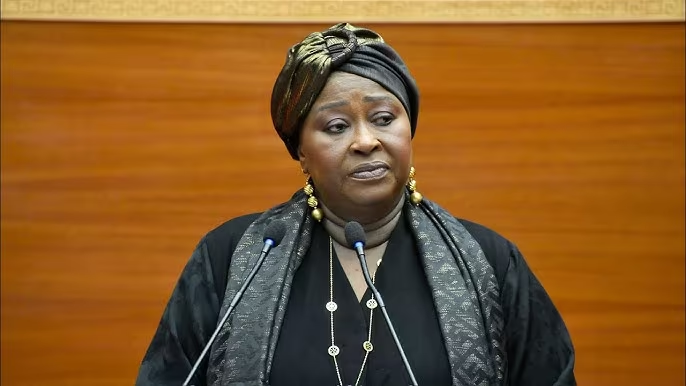
A verbal slip in Khombole has ignited fierce debate across Senegal: the use of a religious invocation for a political figure.
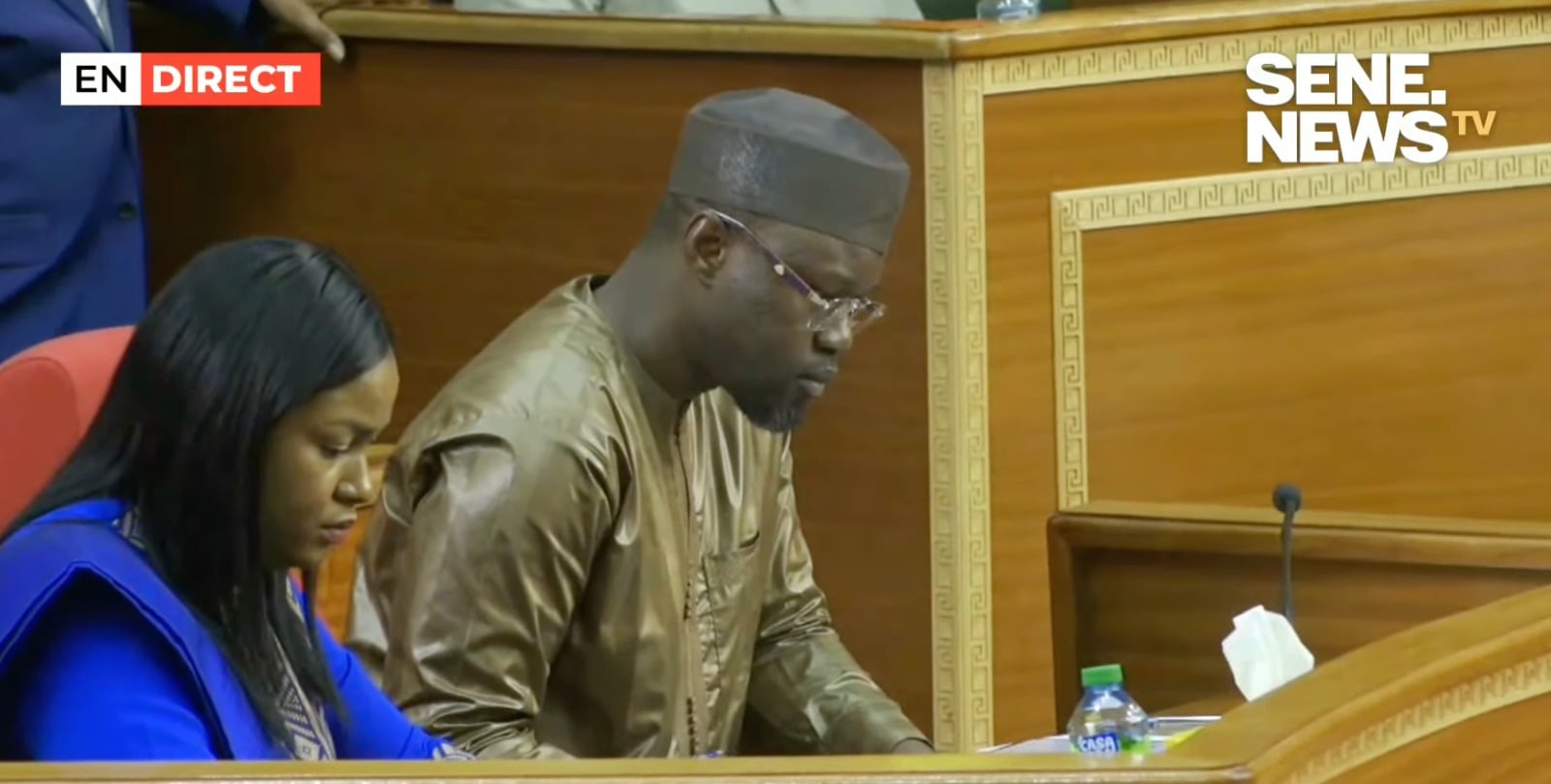
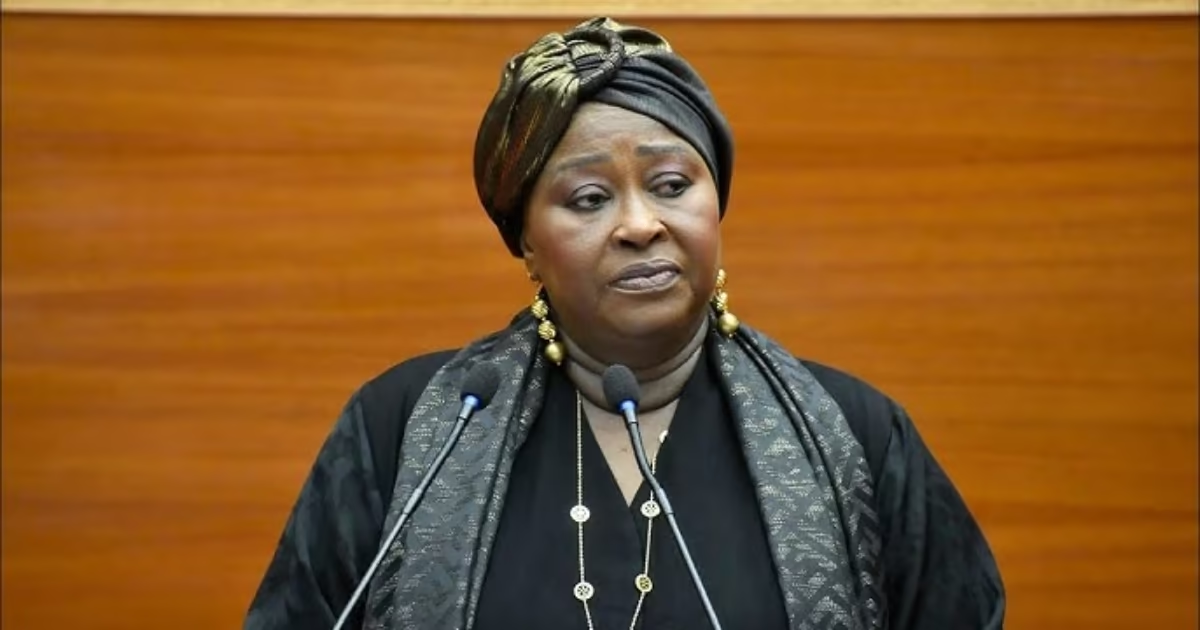
During a rally in Khombole, Maïmouna Dièye’s choice of words when addressing Ousmane Sonko—”under the presence of Seyidina Ousmane Sonko Salalahou Aleyhi Wa Salam”—created palpable discomfort. The invocation, reserved in Islam for the Prophet Mohammad (peace and blessings upon him), carries deep spiritual significance and is not meant for anyone else, no matter their status.
Understanding the controversy
By pairing Sonko’s name with this sacred phrase, Dièye inadvertently elevated his status beyond that of a political leader. In Islam, “Salalahou Aleyhi Wa Salam” is a reverent title exclusively associated with prophets, and its use for a public figure crosses a sacred line. This breach of religious protocol has sparked intense discussions about the boundaries between political admiration and religious sacralization—especially in a country where faith and public life are deeply intertwined.
The incident has also highlighted a growing concern among religious leaders in Senegal: the tendency to blur the line between respect for a politician and the worship reserved for the divine. Ousmane Sonko, quick to respond, acknowledged the affection of his supporters but firmly rejected any attempt to place him on a spiritual pedestal. He emphasized that such reverence belongs solely to the Prophet Mohammad, a level he insists he has never claimed, nor ever intends to.
Sonko’s response and its implications
Ousmane Sonko’s immediate clarification was not merely a personal reaction—it was a strategic move in a political climate where religious discourse wields enormous influence. By publicly correcting the wording, he sought to prevent his opponents from exploiting the moment, while reaffirming his commitment to the separation between political leadership and religious sanctity. In Senegal, where public figures tread carefully around matters of faith, such clarity is both necessary and powerful.