Can Sadio Mané’s Bambali remain immune to Sonko’s political ambitions by 2029?
Can Sadio Mané’s Bambali remain immune to Sonko’s political ambitions by 2029?
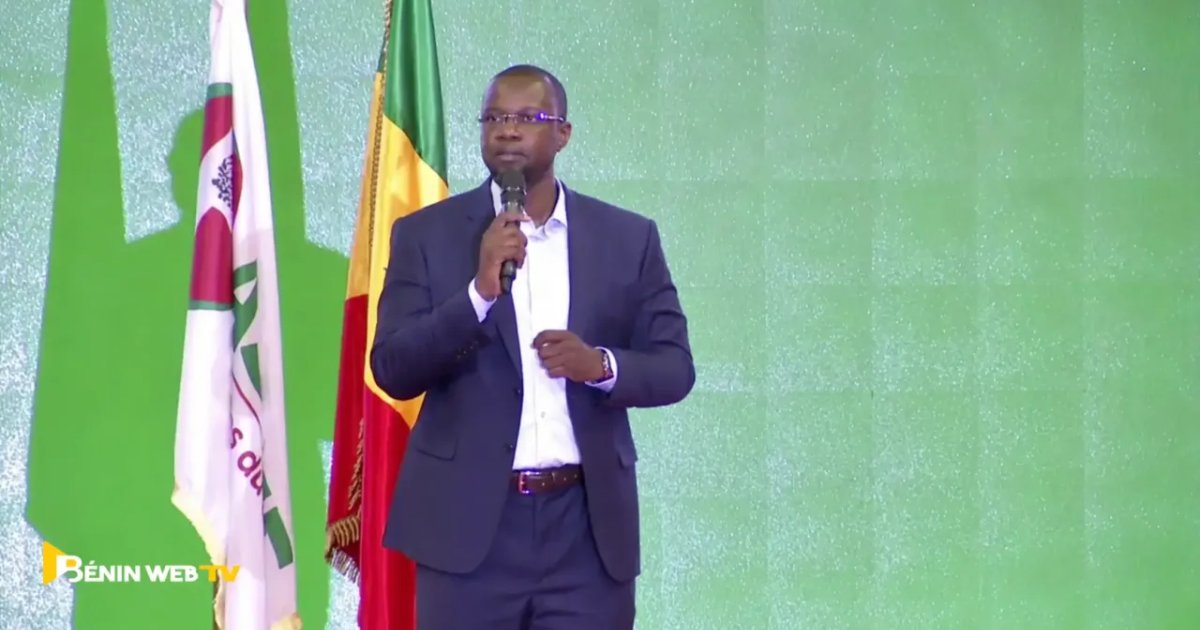
A playful jab in Bambali has reframed Senegal’s 2029 landscape. During the groundbreaking of SM10 Agro, Ousmane Sonko framed football as Sadio Mané’s field—and politics as his own—leaving the crowd to wonder: what would a 2029 showdown in the very heart of Mané’s hometown look like?
From friendly quip to strategic message
What began as a lighthearted remark on Senegal’s political future quickly evolved into a strategic positioning. Speaking in Mané’s hometown, Sonko acknowledged the player’s achievements while drawing a clear boundary: the football pitch belongs to Mané, but the 2029 electoral battlefield belongs to him. The crowd responded with laughter, yet the underlying question looms large—could Bambali, a stronghold of Mané’s influence, one day see Sonko enter the fray?
Sonko did not mince words. Drawing a parallel with Liberia’s George Weah, he suggested that if Mané were to consider a political transition, he would find Sonko already occupying the space. In a tone both humorous and intentional, he added that even in Mané’s backyard, he would meet him at the polls.
Bambali’s future: beyond the spotlight
Far from being an empty taunt, Sonko’s remarks highlighted Bambali’s symbolic importance. As Mané’s birthplace, the town is more than a football stronghold; it is a cultural and economic gateway to the Casamance. Sonko, however, positioned himself not as a rival to Mané’s regional pride, but as a complementary force driving development.
The timing was no coincidence. The groundbreaking of SM10 Agro—a $24 million agro-industrial project aimed at transforming mango production—placed economic transformation at the center of the conversation. With over 1,000 direct jobs expected and a long-term goal of 2,500, the project signals a broader vision: turning agricultural potential into regional prosperity.
Can Mané’s legacy coexist with Sonko’s ambitions?
Sadio Mané’s profile extends far beyond the football field. Known for his agricultural investments in Casamance, he has already positioned himself as a local development leader. Sonko, meanwhile, framed his political project as a continuation of that vision, citing his 2023 proposal for Mané to invest in local agriculture and value chains—an idea the footballer embraced.
The question now echoes through Senegal’s political corridors: will Mané’s influence in Bambali remain confined to the pitch, or will the 2029 election transform the town into a symbolic battleground? For Sonko, the message is clear: his political ambitions are not just national, but deeply rooted in the regions—and Bambali is first on the map.
A development milestone with political undertones
SM10 Agro is more than a business venture; it is a statement. The $24 million investment, spanning 500 hectares and targeting 8,500 tons of processed mango annually, underscores Senegal’s push toward agro-industrial self-sufficiency. Backed by institutions like APIX, the project reflects a broader strategy to integrate agriculture into national economic growth.
For Sonko, the event was a platform to merge economics with politics. By celebrating Mané’s contributions while staking his own claim to the future, he transformed a local ceremony into a national talking point—one that frames 2029 not just as an election year, but as a turning point for Bambali and Senegal.