
Bamako under jihadist siege: amnesty warns of dire civilian impact
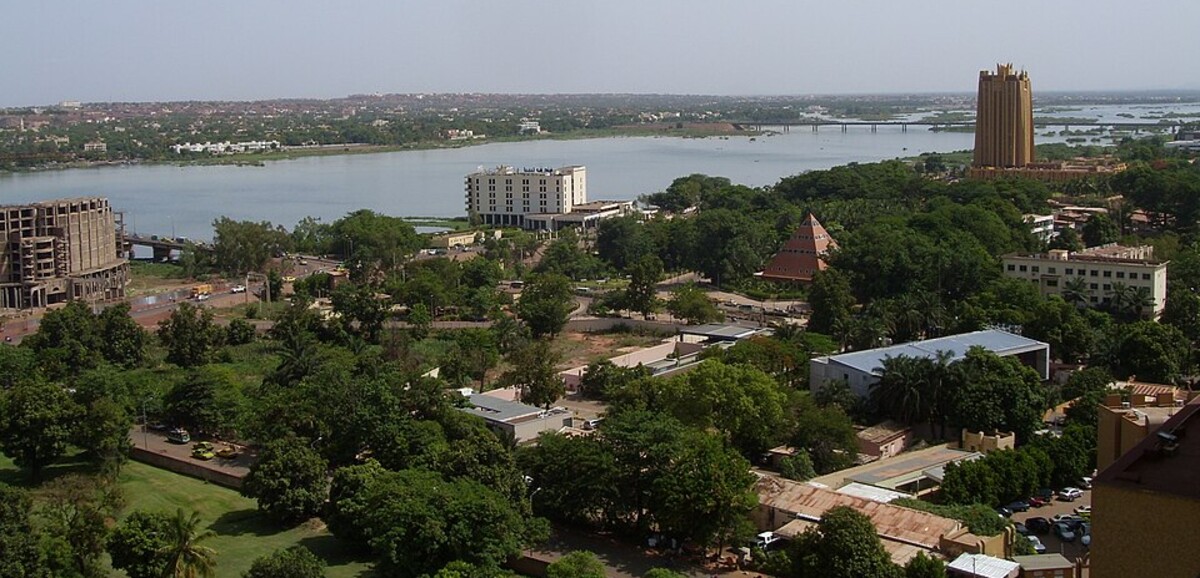
Bamako, the capital of Mali, has been under siege since April 30, when armed factions aligned with the Jama’at Nusrat al-Islam wal Muslimin (JNIM) enforced a sweeping blockade across the city. The militant group, which claimed responsibility for coordinated attacks on April 25 and 26 targeting strategic military positions, has since restricted civilian movement, drawing sharp criticism from human rights observers.
On May 15, Amnesty International issued a formal appeal urging the JNIM to end the blockade immediately, emphasizing the severe humanitarian toll it has exacted on residents. The organization condemned what it described as “unacceptable consequences” for civilians, warning that the restrictions could escalate into grave breaches of fundamental rights, including access to food, medical care, and personal safety.
Humanitarian crisis escalates as civilians bear the brunt
In a strongly worded statement, the NGO highlighted the illegality of targeting civilian vehicles under international humanitarian law. It stressed that all parties in an armed conflict must distinguish between combatants and non-combatants at all times—a principle repeatedly violated, according to Amnesty’s analysis of recent events.
The blockade’s restrictions have already disrupted critical supply lines. On May 6, militants attacked a convoy transporting commercial goods—including fresh produce—between Bamako and Bougouni. The JNIM-affiliated forces alleged the vehicles were unescorted and lacked military personnel or equipment, yet the assault forced several transport companies to suspend operations in and out of the capital. The halt in deliveries threatens to deepen food insecurity and economic hardship for thousands of households.