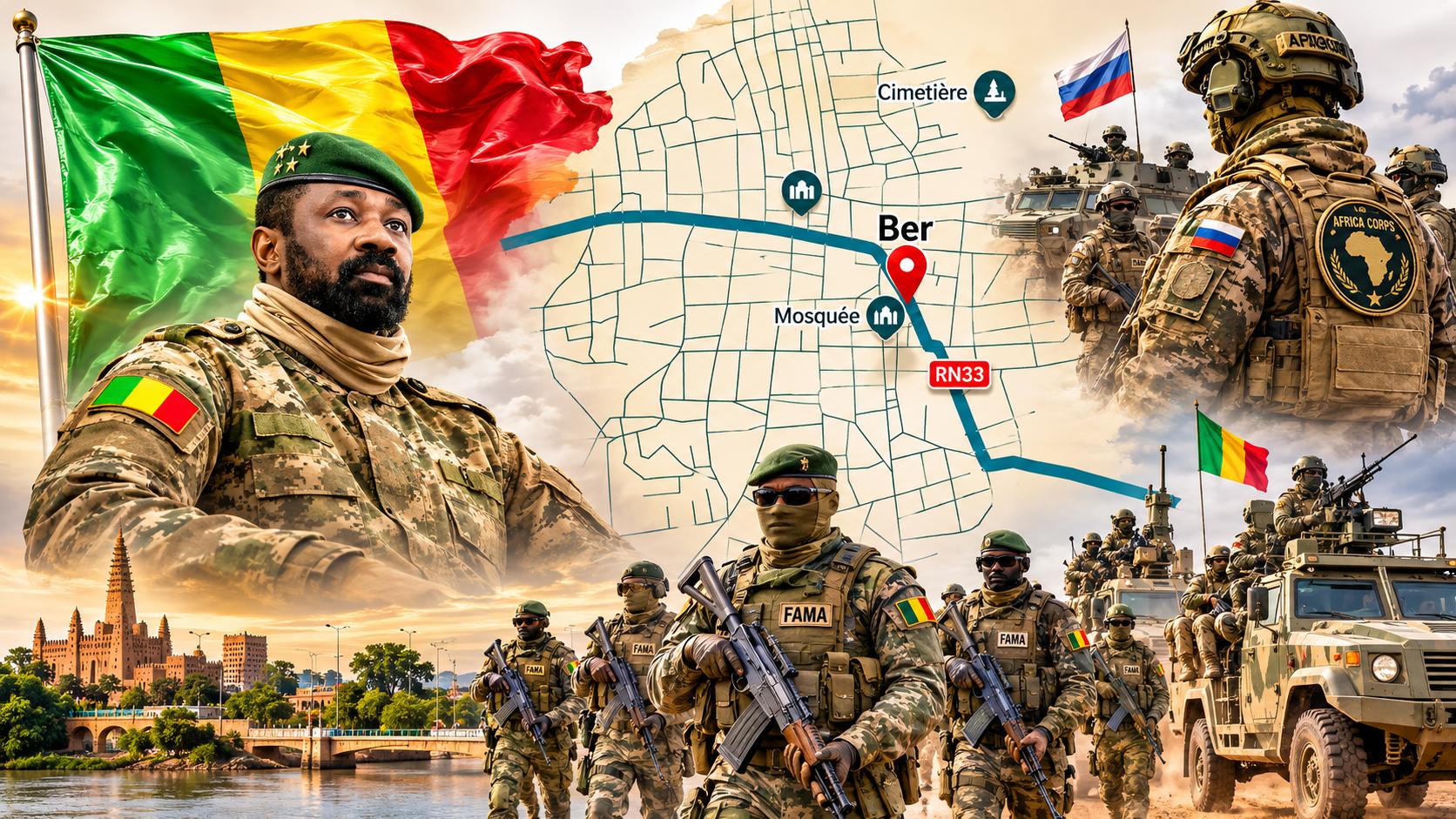
Mali’s bold move: cash rewards for jihadist leaders spark debate
In a dramatic shift in its counterterrorism approach, authorities in Bamako have unveiled substantial financial incentives—up to two billion West African francs—for the capture or elimination of key jihadist commanders and former rebels from the Azawad Liberation Front. The announcement has sent ripples through political circles and the media landscape, raising critical questions about the strategy’s long-term viability.
Controversial incentives draw mixed reactions
The initiative, framed as a bold tactic to dismantle militant networks, has ignited a fierce debate over its effectiveness and ethical implications. Critics argue that such measures could escalate violence, alienate communities, and undermine diplomatic efforts to restore stability in the region. Meanwhile, supporters contend that the rewards may lure defectors and disrupt terrorist operations, offering a much-needed breakthrough in the fight against extremism.
Economic and operational challenges ahead
Beyond the immediate controversy, logistical hurdles loom large. Implementing such a high-stakes program requires meticulous planning, secure funding, and robust intelligence networks—resources that Mali’s transitional government is still struggling to consolidate. The financial burden of these bounties, coupled with the operational risks, casts doubt on whether this strategy can deliver tangible results without exacerbating existing tensions.
As Bamako doubles down on this unorthodox approach, the world watches to see whether the gamble will pay off—or backfire spectacularly.