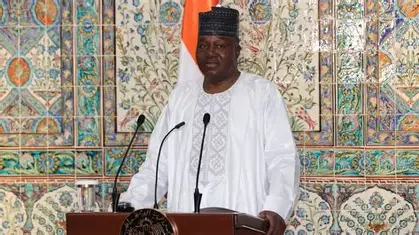
The July 26, 2023, Niamey coup that brought General Abdourahamane Tiani to power was framed as a decisive step to rescue Niger from spiraling insecurity. Yet, as the three-year mark approaches, the reality starkly contrasts with the initial assurances. Far from stabilizing the nation, the current administration faces a compounding crisis where security threats, economic decline, and diplomatic isolation reinforce one another.
Security promises remain unfulfilled
The junta’s primary mandate was to restore order. Instead, armed groups linked to the JNIM and the Islamic State in the Greater Sahara have expanded their reach, targeting not only military outposts but also civilian populations, supply routes, and economic infrastructure. The shift in tactics has left entire regions under constant threat, disrupting daily life and forcing widespread displacement.
The consequences are severe:
- Abandonment of farmlands due to persistent violence;
- Restricted movement of goods and people;
- Closure of schools and health centers in high-risk zones;
- Surge in internally displaced persons.
The human toll continues to rise, with rural communities bearing the brunt of a conflict that shows no sign of resolution.
Military spending soars, but gains are elusive
The regime has redirected substantial public funds toward defense, yet the expanded military budget has not translated into decisive battlefield advantages. The armed forces face overwhelming challenges:
- A vast, difficult-to-control territory;
- Multiple active fronts;
- Highly mobile insurgent groups;
- Logistical bottlenecks.
Constant operational pressure has led to equipment wear, personnel fatigue, and rising costs—underscoring that a purely military response cannot address the root causes of instability.
Economic strain deepens amid regional isolation
Niger’s economy, heavily reliant on regional trade, has suffered from prolonged border closures with Bénin and strained diplomatic relations. The once-lucrative Cotonou-Niamey corridor, a vital trade artery for decades, now faces:
- Extended delays in supply chains;
- Soaring transport costs;
- Frequent shortages of essential goods;
- Persistent price inflation.
Families grapple with eroding purchasing power, as food, medicine, and construction materials become increasingly unaffordable. Small businesses—especially transporters, traders, and logistics operators—have seen their livelihoods evaporate.
Foreign investment dwindles under political uncertainty
Investors, wary of instability, have scaled back operations in Niger. The lack of predictability in governance, combined with sanctions and security risks, has created an unwelcoming environment. Key sectors like oil—once touted as a development engine—now face delays due to diplomatic tensions with Bénin, casting doubt on long-term viability.
Diplomatic pivot brings new pressures
The regime has reoriented its foreign policy, severing ties with Western partners in favor of closer alliances with Russia and the Alliance of Sahel States. While framed as a quest for sovereignty, this shift has not alleviated critical pressures:
- Reduced international funding;
- Limited access to regional cooperation mechanisms;
- Growing isolation from neighboring states.
The claimed push for autonomy is undermined by continued reliance on foreign military support, raising questions about the true nature of the new dependencies.
Public services crumble under budget strain
The heavy focus on military expenditure has left social sectors underfunded. Schools lack infrastructure, hospitals face shortages, and public investments stall—all while insecurity and poverty deepen. This imbalance risks entrenching a vicious cycle: more spending on defense leaves fewer resources for long-term solutions that could address instability at its source.
A society under mounting strain
Beyond economic indicators, daily life in Niger reflects growing fragility. Families confront:
- Rising living costs;
- Shrinking job opportunities;
- Declining incomes in border regions;
- Widespread economic uncertainty.
The erosion of stability and cohesion threatens to widen social divides, leaving the most vulnerable populations increasingly exposed.
The limits of Tiani’s governance model
Three years into the junta’s rule, the narrative of security restoration, sovereignty, and development has failed to materialize. Instead, Niger grapples with escalating violence, economic contraction, and diplomatic estrangement. Structural weaknesses—exacerbated by a military-first approach and regional tensions—have deepened the crisis, making an exit from this downward spiral ever more elusive.