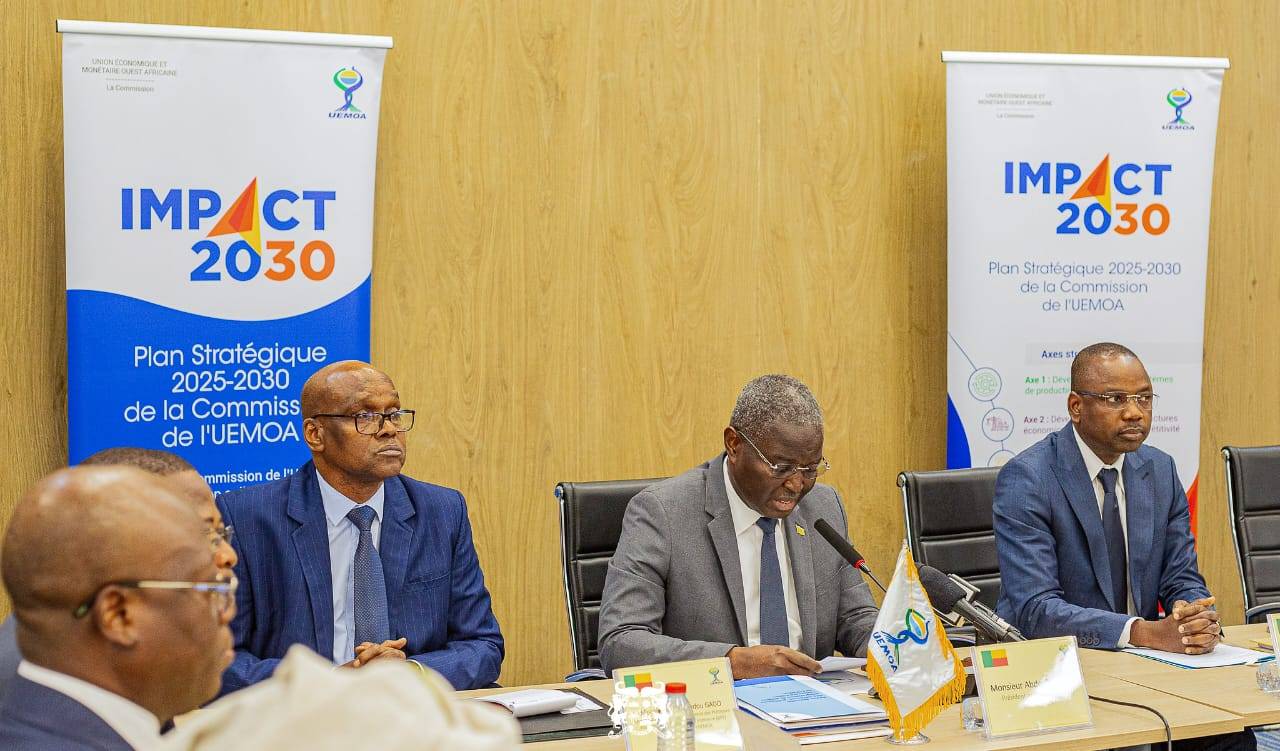
The Ministry of Economy and Finance in Cotonou recently hosted the 2026 edition of the annual policy review of the West African Economic and Monetary Union (UEMOA) reforms, policies, and projects. Following a strict evaluation of 145 regulatory texts, Benin has achieved a remarkable implementation rate of 73%. This figure, which surpasses the satisfactory threshold of 70%, underscores the country’s strong commitment to regional economic integration.
Institutional gathering highlights UEMOA integration efforts
The annual policy review serves as a critical platform for assessing how member states align their national legislation with community-wide directives. This year, officials from the UEMOA Commission met with Beninese government representatives and sectoral experts in Cotonou to review the country’s progress in adopting and enforcing community decisions. The goal was to scrutinize the 145 texts that have been transposed into national law, while pinpointing any administrative or technical obstacles that could hinder the union’s momentum.
Three key pillars drive the evaluation process
The 2026 assessment was structured around a comprehensive framework consisting of 145 regional texts. As emphasized by the President of the UEMOA Commission, Mr. Abdoulaye Diop, the review aims to precisely measure how effectively legal acts from the Council of Ministers and the Conference of Heads of State and Government have been incorporated into national systems. The evaluation focused on three fundamental areas:
- Economic governance and convergence: This includes harmonizing budgetary frameworks, strengthening multilateral oversight, and ensuring transparency in public financial management.
- Common market development: Emphasizing the free movement of people, goods, services, and capital, as well as the right of establishment across member states.
- Sectoral policy alignment: Ensuring national initiatives in transportation, energy, agriculture, environmental sustainability, and digitalization align with community-wide standards.
73% compliance rate: a major milestone for Benin
Upon completion of the review, the findings were clear: Benin has achieved a 73% overall compliance rate, surpassing the 70% benchmark that signals significant progress. This achievement reflects years of consistent reform efforts and highlights the country’s dedication to regional integration. While the result is commendable, it also reveals targeted areas where further improvements are needed to maximize the benefits of the union.
Leadership voices praise progress and outline next steps
Following the presentation of the results, a dialogue between the delegates and Beninese officials underscored shared perspectives on the integration process. The President of the UEMOA Commission framed the review not just as an audit but as a strategic transformation tool. Abdoulaye Diop noted the strong commitments made by Beninese authorities and expressed confidence that future reviews will show even greater strides in areas that still require attention.
Speaking on behalf of the government, the Minister of Economy and Finance, Aristide Medenou, praised the disciplined efforts of the country’s administrative teams. He attributed the 73% compliance rate to a robust and continuous monitoring system for community texts, coupled with a collective mobilization across all relevant ministries. The minister highlighted how this review identifies administrative hurdles, facilitates the exchange of best practices, and paves the way for concrete solutions to accelerate the adoption of pending directives.
Addressing gaps and setting future priorities
With 27% of reforms still pending, the next phase of work will focus on overcoming the remaining challenges. Complex sectoral policies demand enhanced inter-ministerial coordination to ensure timely adoption. Medenou reiterated the government’s determination to push forward with reforms, with the goal of presenting notable progress in the upcoming annual review.
A promising step toward West African integration
By achieving a 73% compliance rate in 2026, Benin has demonstrated how disciplined governance and institutional follow-through can turn regional commitments into tangible legal and economic realities. In a context marked by global and regional economic challenges, Cotonou’s fiscal discipline and regulatory alignment not only bolster the country’s credibility on the international stage but also contribute to building a more seamless and competitive sub-regional market within the UEMOA.