Ghana’s 1,000 MW power shortfall triggers regional supply halt
Irregular outages have recently affected the Communauté Électrique du Bénin (CEB) network, largely due to falling water levels in regional dams. Compounding this natural challenge, a severe fire on April 23 at a key component of Ghana’s Akosombo Dam further slashed the West African power grid by a critical 1,000 MW. While such a shortfall would have plunged Benin into darkness just a few years ago, strategic investments by the Talon administration—particularly the Maria-Gléta 2 power plant—now ensure the country remains energized and averts a nationwide blackout.
How Accra’s energy cutback reshapes Benin’s supply strategy
Ghana’s decision to halt electricity exports to Burkina Faso, Togo, and Benin to stabilize its own grid has put Cotonou’s energy resilience to the test. Although the Société Béninoise d’Énergie Électrique (SBEE) reported minor disruptions, the crisis was mitigated thanks to long-term foresight in energy planning.
Maria-Gléta 2: The energy fortress shielding Benin from regional instability
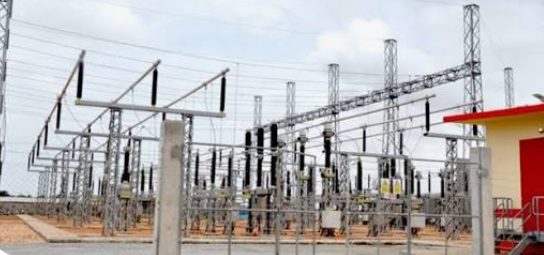
Benin’s ability to weather this storm stems from deliberate policy shifts. Previously, any disruption from Ghana would have crippled the national economy and darkened homes for weeks. Today, the Maria-Gléta 2 thermal plant—hailed as a cornerstone of the Programme d’Action du Gouvernement (PAG)—operates at full capacity to fill the void left by suspended imports. This strategic asset acts as a shock absorber, transforming what could have been a national disaster into a manageable technical hurdle.
« Every megawatt generated within Benin is a step toward energy sovereignty and a guarantee of comfort for our people, » affirms a government energy official.
Toward complete energy independence
The administration of President Patrice Talon is not content with mere crisis management. Recognizing that true national sovereignty depends on energy self-reliance, the government is accelerating modernization of distribution networks and expanding renewable sources, including solar initiatives. The goal is clear: achieve total energy autonomy by reinforcing domestic thermal capacity, ensuring industrial growth and daily life remain untouched by cross-border technical failures.
Resilience that validates past investments
While sporadic outages remind us that regional interdependence still lingers, the current situation underscores the wisdom of investments made since 2016. By commissioning Maria-Gléta 2, the government has granted Benin an unprecedented level of resilience. The path forward is evident: energy independence is no longer a distant aspiration but an unfolding reality.