Morocco condemns terrorist attacks in Mali while expressing solidarity with Bamako
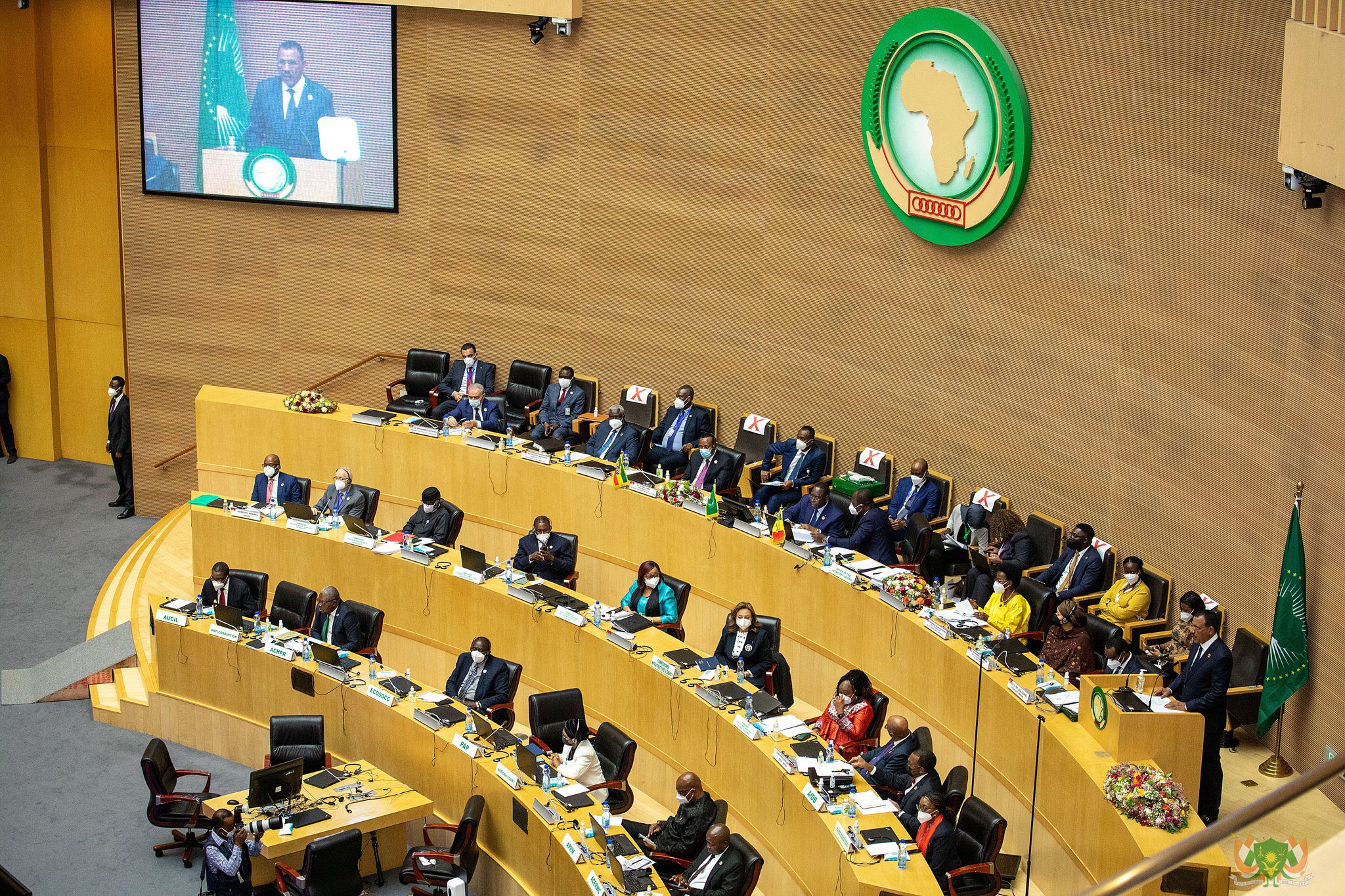
Marrakech – Morocco has once again demonstrated its unwavering commitment to Mali’s sovereignty and stability, standing firmly beside the West African nation in the aftermath of devastating terrorist and separatist attacks that struck multiple cities last weekend. The Moroccan delegation to the African Union Peace and Security Council (AU PSC) session dedicated to Mali’s crisis vehemently condemned the coordinated assaults targeting both civilian and military installations, offering heartfelt condolences to the victims’ families and the Malian people as a whole.
In a resolute statement, the delegation underscored Morocco’s complete support for Mali’s territorial integrity, security, and political stability, while urging immediate mobilization of financial resources to facilitate a swift and effective response in close collaboration with Malian authorities.
The Moroccan government’s swift reaction mirrored its earlier position, articulated within hours of the attacks. A high-ranking diplomatic source in Rabat declared that “the Kingdom of Morocco condemns these heinous and cowardly acts in the strongest possible terms,” reaffirming Morocco’s steadfast backing for Malian authorities in their determined struggle against terrorism and separatism across the Sahel region.
Unprecedented attacks and evolving regional dynamics
The coordinated assaults on April 25 marked a dramatic escalation in the conflict, as jihadist factions aligned with al-Qaeda’s Jama’at Nusrat al-Islam wal-Muslimin (JNIM) joined forces with Tuareg separatists from the Front for the Liberation of Azawad (FLA) to launch simultaneous strikes on seven key cities, including Bamako, Kati, Kidal, and Gao.
Tragically, the attacks claimed the life of Mali’s Defense Minister, General Sadio Camara, who was killed in a suicide bombing at his residence in Kati. Meanwhile, the country’s military leader, General Assimi Goita, remains unaccounted for following the assault. The strategically vital city of Kidal fell under rebel control, prompting the withdrawal of Russian mercenaries from the African Corps in accordance with an agreement with the armed groups.
Algeria’s alleged role in Mali’s destabilization
While Morocco has consistently extended its support to Mali, regional analysts have raised serious concerns regarding Algeria’s alleged involvement in a “shadow war” against Bamako. This perceived campaign of destabilization has intensified dramatically in recent weeks, particularly following Mali’s sovereign decision to withdraw recognition of the self-proclaimed Sahrawi Arab Democratic Republic (SADR) and formally endorse Morocco’s autonomy plan for Western Sahara.
Observers argue that this shift in Mali’s foreign policy has triggered a punitive response from Algiers, which has historically relied on the Western Sahara conflict as a cornerstone of its regional influence. By pivoting toward Morocco, Bamako has undermined Algeria’s carefully constructed diplomatic leverage in the Sahel, prompting accusations of Algerian interference in Mali’s internal affairs.
Algeria’s alleged destabilization tactics
Mali has repeatedly accused Algiers of harboring separatist factions and providing logistical, financial, and diplomatic support to armed groups operating within its borders. The Polisario Front remains the most prominent example of Algeria’s long-standing destabilization strategy, and regional experts suggest a similar playbook is now being deployed against Mali.
Following the attacks, Algeria’s media apparatus launched a synchronized information warfare campaign, amplifying separatist narratives, inflating casualty figures, and spreading unverified claims about senior officials. This propaganda blitz, analysts argue, served as a coercive signal to Mali: “This is the price of defying Algeria’s sphere of influence.”
Unlike Algeria’s domestic media blackout on terrorist threats, which includes suppressing reports of security incidents in regions like Blida, Algeria’s regional propaganda machine has operated with impunity. Western embassies have issued travel advisories warning of active security threats, yet Algeria’s state-controlled outlets have maintained a blanket denial of these realities, exposing a duality in its statecraft—suppressing terrorism domestically while weaponizing it regionally as a tool of geopolitical pressure.
Mali’s strategic shift and Algeria’s response
Bamako’s decision to abrogate the 2015 Algiers Accord—citing sustained hostile actions by Algeria—effectively dismantled Algiers’ primary instrument of soft power over Mali. For years, Algeria had leveraged the accord to maintain armed groups as a persistent threat to Mali’s central government, ensuring its dominance in regional affairs.
With this leverage neutralized and Mali actively diversifying its strategic partnerships, Algeria’s response has reportedly included proxy warfare, disinformation campaigns, and territorial destabilization efforts. Analysts warn that these actions threaten to plunge the region into deeper instability, particularly as Mali seeks to assert its sovereignty and forge new alliances beyond Algeria’s influence.
Morocco’s principled stance in the Sahel
In contrast to Algeria’s alleged coercive tactics, Morocco has adopted a principled and transparent approach to regional partnerships. During a joint press conference with Burkina Faso’s Foreign Minister, Karamoko Jean Marie Traoré, in Rabat in June 2024, Morocco’s Foreign Minister, Nasser Bourita, outlined his country’s commitment to a “partnership of equals”.
Bourita criticized the “logic of blackmail and paternalism” that some regional actors impose on Sahel nations, emphasizing that Morocco believes in “confidence in the capacity of Sahel countries to resolve their own crises”. He stated, “They do not need guardians; they need partners.”
This doctrine of mutual sovereignty and non-interference starkly contrasts with Algeria’s alleged destabilization efforts, reinforcing Morocco’s reputation as a reliable and principled ally in the region.