TAS sets deadline for Morocco’s defense in CAN 2025 final dispute
The Tribunal Arbitral du Sport (TAS) has imposed a critical deadline for the Royal Moroccan Football Federation (FRMF) to submit its defense in the CAN 2025 final controversy. The clock is now ticking, with the submission due by May 7, 2026.
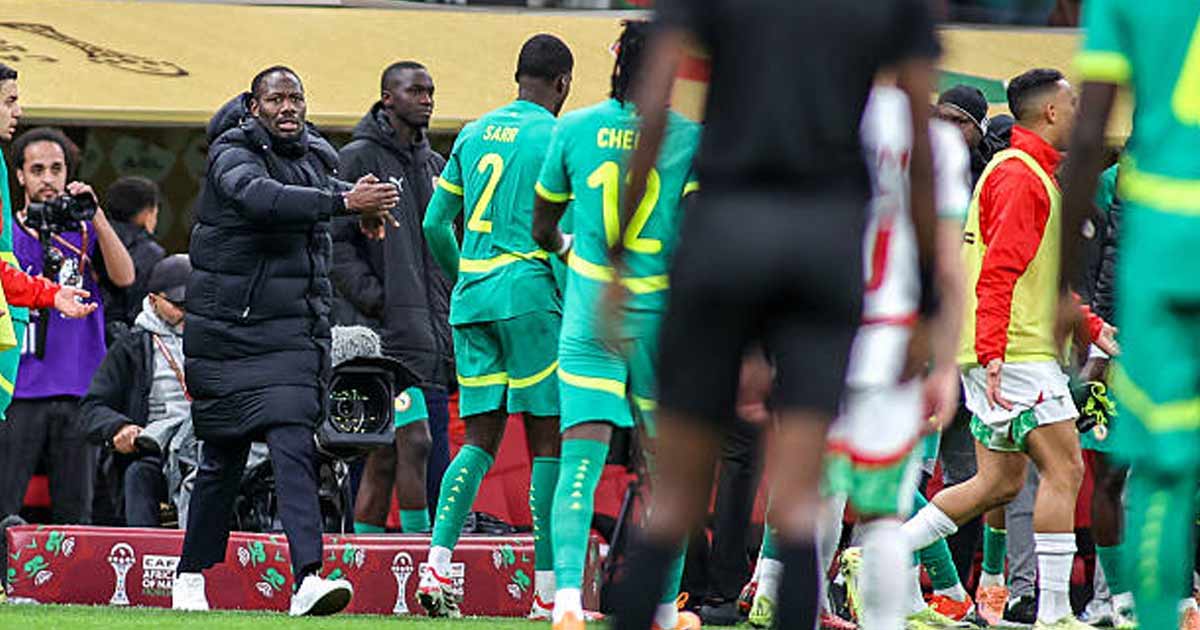
The dispute stems from the Controversial outcome of the CAN 2025 final between Morocco and Senegal, which the Confédération Africaine de Football (CAF) initially awarded to Morocco on a forfeit basis (3-0). The Senegalese Football Federation (FSF) swiftly challenged this decision, escalating the matter to the TAS in a bid to overturn the ruling.
The FSF filed an appeal against the CAF’s decision on March 17, 2026, arguing that the original verdict lacked sufficient justification. The case now hinges on whether the TAS will uphold the CAF’s ruling or side with Senegal, potentially altering the tournament’s historic outcome.
Morocco’s strategy: robust evidence and unwavering confidence
In response, the FRMF, led by President Fouzi Lekjaa, has expressed full confidence in its case. The federation claims to possess irrefutable evidence, including:
- Official match reports
- Referee evaluations
- Video footage of key incidents
- Documented procedural compliance
Lekjaa emphasized that these materials provide a comprehensive and compelling case, reinforcing Morocco’s stance that the CAF’s decision was justified.
Procedural timeline: a measured approach
The TAS has rejected Senegal’s request for an expedited process, opting instead for a standard procedure that ensures all parties have adequate time to prepare their arguments. This decision delays the final verdict, with expectations placing the resolution between 9 to 12 months from the submission deadline.
While Senegal had hoped for a ruling before the 2026 FIFA World Cup, the timeline suggests that football fans may need to wait until late 2026 for closure. The TAS will meticulously review the submissions, legal precedents, and evidence before delivering its decision.