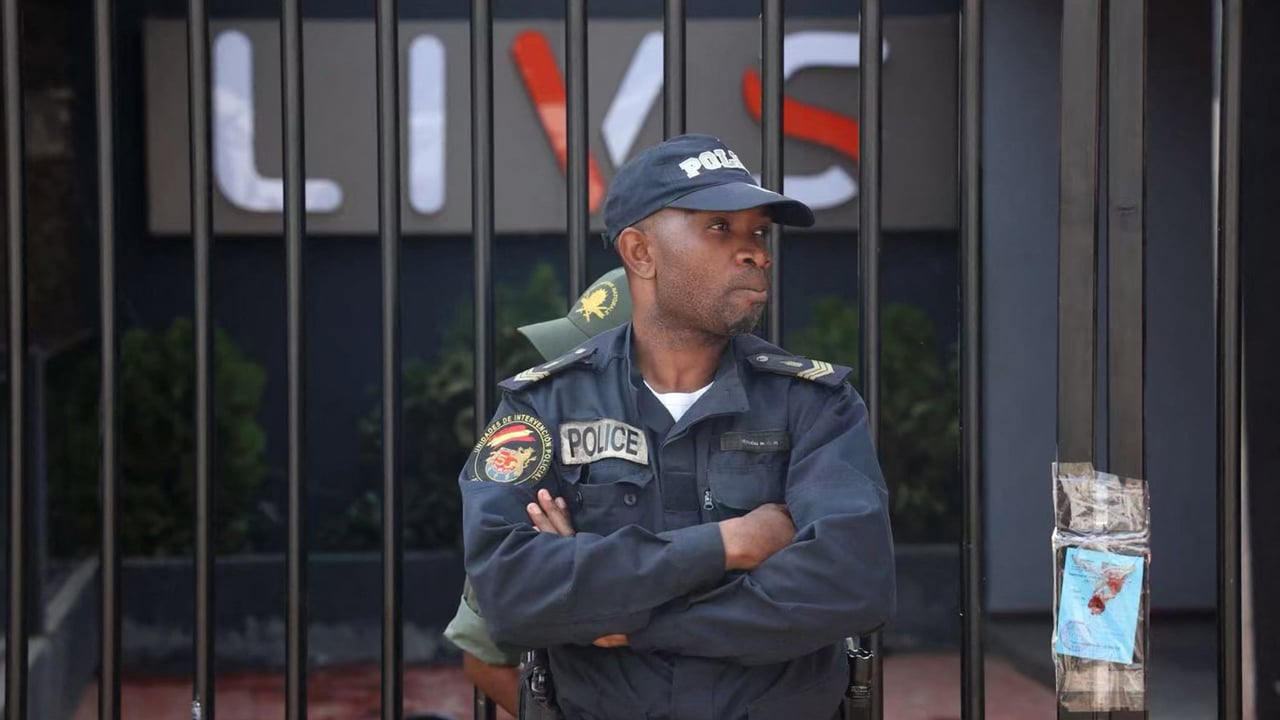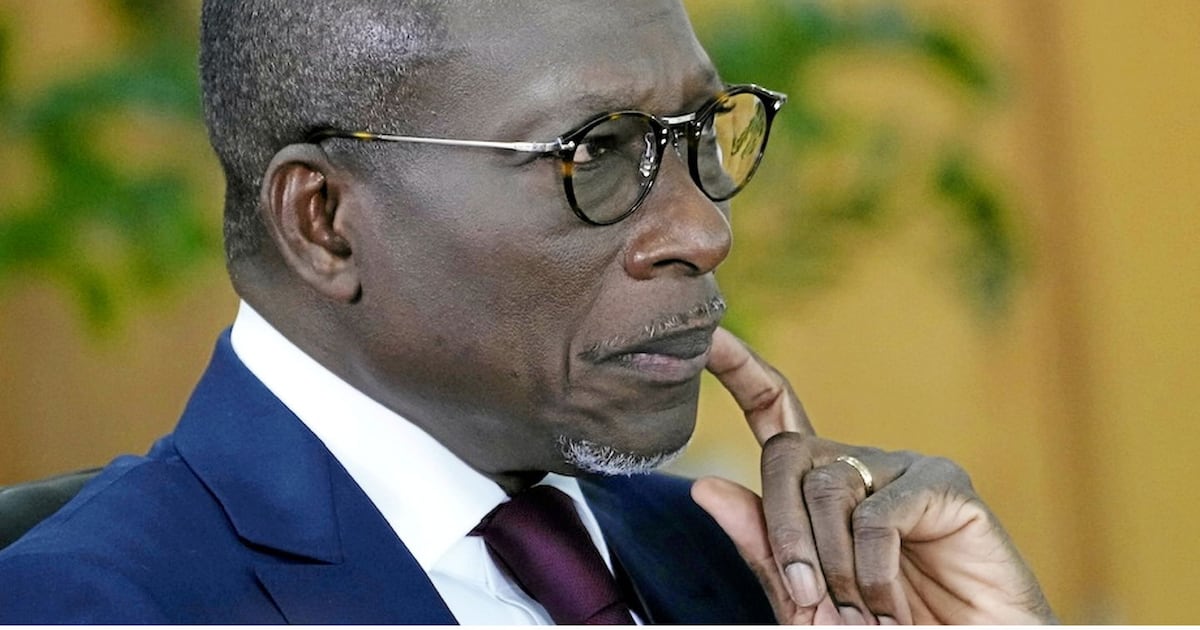
A sudden attempt to overthrow the government in Bénin was thwarted this Sunday, December 7, though it briefly shook the administration of President Patrice Talon. At dawn, a faction of mutinous soldiers seized the national broadcaster, SRTB, in Cotonou, announcing they had removed the head of state. However, the 67-year-old president, who is scheduled to step down in April 2026 after a decade in power, was quickly moved to safety as loyalist forces reclaimed strategic locations across the city.
Security reports indicate that the rebels initially targeted Patrice Talon‘s private home in the Guézo district but were successfully repelled. By late morning, the economic capital was under heavy guard, with military helicopters patrolling the skies and ground units securing the streets. This unexpected unrest marks a significant shift for a nation that had not experienced a coup since 1972, when Mathieu Kérékou took power.
A night of tension and presidential resolve
In a brief televised address on Sunday evening, Patrice Talon addressed the nation, stating: “Our country has endured events of extreme gravity today. This act of treason will not go unpunished.” He also revealed that some individuals were still being held by fleeing mutineers, emphasizing the urgent need to restore total security and protect the population.
The violence resulted in a tragic loss for the president’s inner circle. The wife of General Bertin Bada, the director of the president’s military cabinet, was killed during an attack on their home in Abomey-Calavi. The general’s daughter was also wounded by gunfire during the assault.
Government and military response
The Minister of the Interior, Alassane Seidou, explained that the mutiny began in the early hours of Sunday, December 7, 2025, led by a small group of soldiers aiming to destabilize the state. He praised the Bénin Armed Forces for remaining loyal to their republican oath and successfully neutralizing the threat. The government has since encouraged citizens to return to their daily routines.
Foreign Minister Olushegun Adjadi Bakari confirmed that the vast majority of the military remained faithful to the administration, describing the insurgents as a “small group.” To date, at least a dozen soldiers, including the alleged masterminds and a former military member, have been taken into custody.
The mutineers’ grievances and the takeover attempt
The uprising began with gunfire at daybreak. Rebels, allegedly supported by external mercenaries, targeted the homes of high-ranking officers before moving toward the presidential palace and the SRTB studios. At the television station, staff were forced to record a message on behalf of Lieutenant-Colonel Pascal Tigri, who announced the formation of a “Military Committee for Refoundation.”
Lieutenant-Colonel Tigri declared that Patrice Talon had been removed from office and that the Constitution was suspended. He justified the coup by citing the need to end the current administration’s governance, criticizing “crisis-inducing laws,” the forced exile of political figures, and mass arrests. The United States and France quickly issued warnings to their citizens in Bénin, advising extreme caution following reports of gunfire in the Guézo neighborhood.
The coup attempt was met with a swift counter-offensive. Loyal members of the Republican Guard engaged in heavy firefights near the port and the presidential palace. At the request of the Bénin government, the Nigeria military provided air support and ground troops to help secure the national broadcaster and military barracks.
Regional instability and the path to 2026
For a country long considered a beacon of stability in West Africa, this event has caused a profound shock. Bénin now joins a growing list of regional nations facing military threats, following recent coups in Niger, Burkina Faso, Mali, and Guinée. The Economic Community of West African States (ECOWAS/CEDEAO) and the African Union immediately condemned the move, calling for a return to constitutional order.
ECOWAS has announced the immediate deployment of a standby force, including troops from Nigeria, Sierra Leone, Côte d’Ivoire, and Ghana, to support the Bénin government. This intervention aims to preserve democratic institutions as the country nears its next presidential election.
Politically, the climate remains delicate. While Patrice Talon has designated Finance Minister Romuald Wadagni as his preferred successor, recent constitutional reforms—including the creation of a Senate and changes to mandate lengths—have sparked intense debate. The exclusion of the main opposition party, Les Démocrates, from the upcoming race has further heightened tensions. Investigators are now looking into whether deeper internal military or political divisions fueled this attempt to seize power.