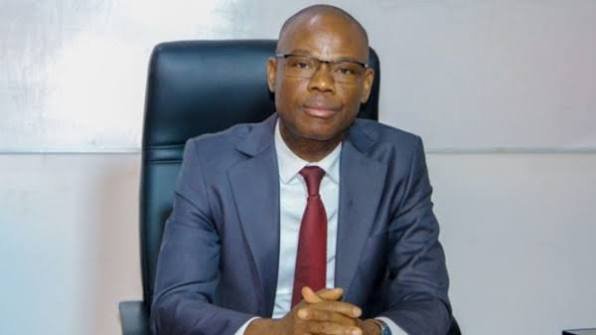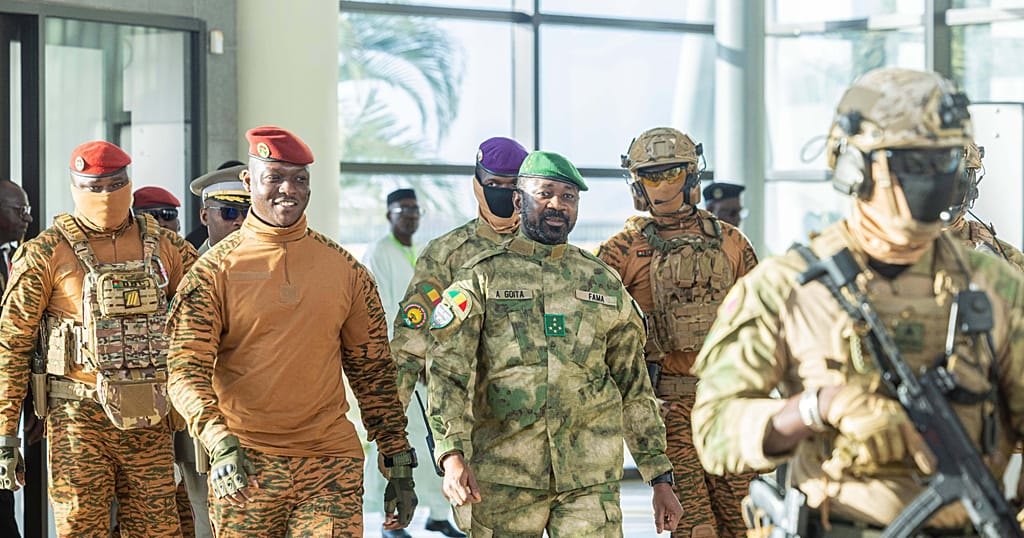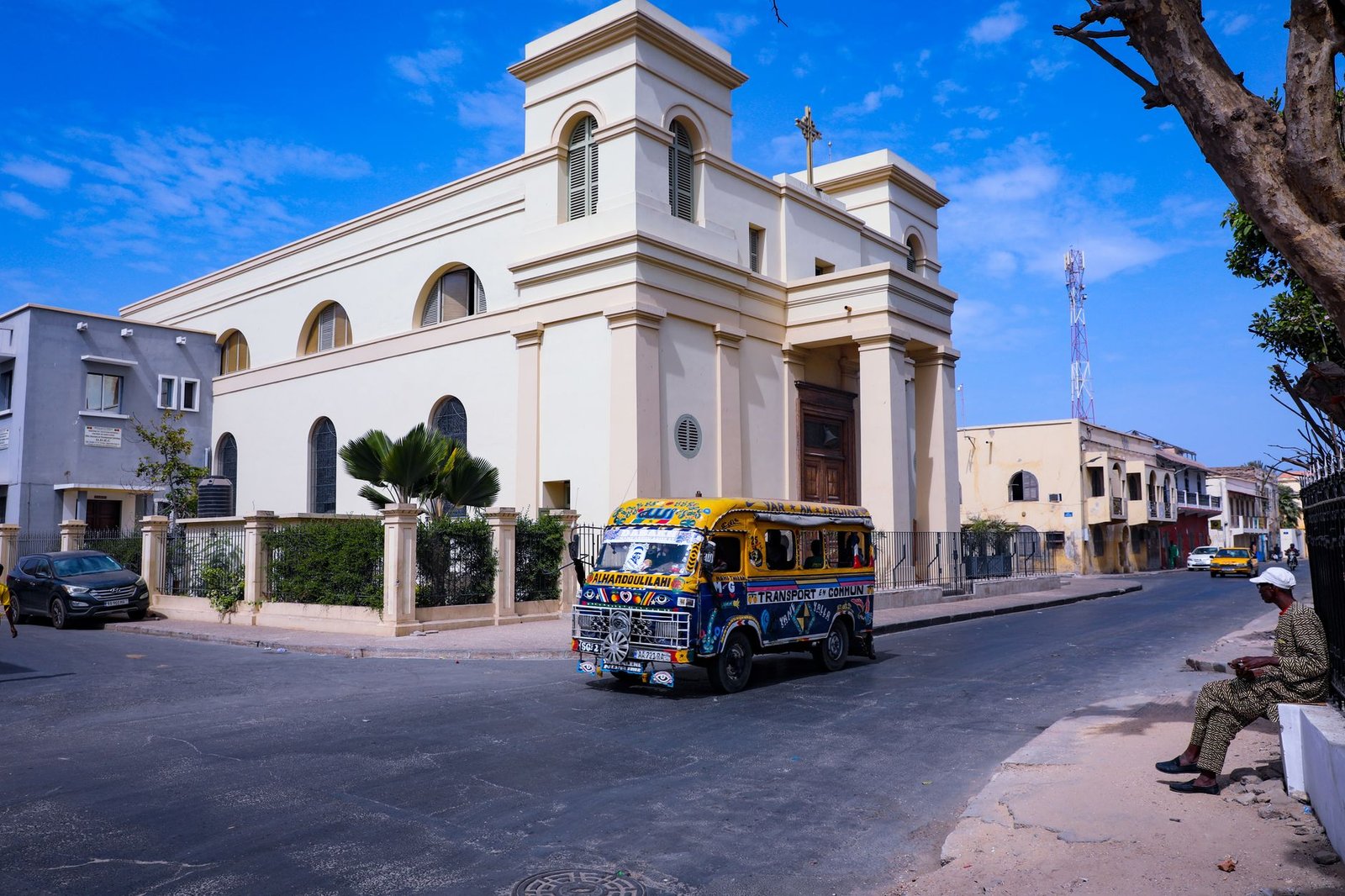
A significant political moment is unfolding in Dakar with the anticipated, albeit brief, return of Macky Sall. This marks an unprecedented sequence of events since the presidential transition in April 2024. The former Senegalese head of state personally announced on Tuesday, July 14, 2026, via his social media platforms, that he would arrive in the capital this Friday, July 17, for a meeting with President Bassirou Diomaye Faye. While described as a short visit, its political implications extend far beyond a mere courtesy call.
At the heart of the scheduled discussion is Macky Sall’s bid for the prestigious position of Secretary-General of the United Nations (UN). The former president, who has maintained a discreet profile since concluding his term, is seeking institutional backing from Dakar to advance his candidacy on the multilateral stage. Such support is, in essence, a prerequisite for any serious prospect of success in the race for the Glass Palace.
UN candidacy hinges on Dakar’s endorsement
The role of UN Secretary-General operates under precise diplomatic protocols. A candidate cannot realistically progress without the explicit endorsement of their home nation, a primary condition even before negotiations commence within the Security Council. For Macky Sall, securing a favorable signal from Bassirou Diomaye Faye therefore represents the crucial first step in a trajectory that, if realized, will involve many months of intricate discussions in New York.
Timing also plays a pivotal role. António Guterres, the current Secretary-General, concludes his mandate at the end of 2026. The principle of geographical rotation, an informal guideline for appointments, could potentially favor an African candidate this time, as the continent has not held the position since Boutros Boutros-Ghali and Kofi Annan. Senegal thus finds itself with a historic opportunity, provided its current authorities agree to champion the candidacy of a politically distinct predecessor.
A meeting laden with political undertones
The relationship between Macky Sall and Bassirou Diomaye Faye remains shaped by the circumstances of the recent political transition. The current head of state, who ascended to power following a campaign conducted partly from prison, embodies a clear departure from his predecessor’s legacy. Numerous management audits and legal proceedings targeting former high-ranking officials from the Sall administration have since fueled an enduring climate of tension between the two political factions.
Against this backdrop, the July 17 meeting transcends the singular issue of the UN candidacy. It subtly raises questions about the former president’s status within national political life, potential guarantees concerning his inner circle, and Senegal’s diplomatic stance just months before critical multilateral deadlines. The announced brevity of the visit suggests that both leaders are primarily focused on addressing a specific matter, rather than engaging in a broader political dialogue.
A test for Senegalese diplomacy
For Bassirou Diomaye Faye, this initiative demands a delicate arbitration. Supporting Sall’s candidacy would elevate his predecessor’s diplomatic stature, while simultaneously presenting Senegal with a significant asset on the international stage. Conversely, a refusal or a delay would severely undermine the former president’s efforts and could expose Dakar to criticism, both from its African partners and segments of Senegalese public opinion invested in the nation’s global influence.
Senegal’s credibility within the African Union is also at stake, as collective support for a single candidate remains crucial for leverage within the Security Council. No official position from the Senegalese presidency has emerged regarding Macky Sall’s initiative at this juncture, with the executive evidently opting for a measured communication approach ahead of the rendezvous.
Nevertheless, this July 17 meeting will stand as the first public interaction between the two men since the April 2024 transition, regardless of its final outcome. It may potentially initiate a period of political normalization, which the country needs as the economic and institutional reforms championed by the Faye-Sonko duo require a serene political environment.