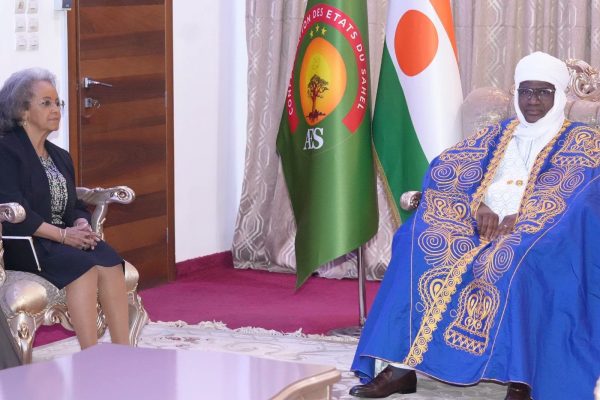
Freshly sworn in as Benin’s head of state, President Romuald Wadagni is set to embark on a landmark diplomatic mission this June 2, simultaneously visiting Niamey and Ouagadougou. This inaugural foreign trip underscores a broader strategy to restore stability and economic ties across West Africa, following months of strained relations between Cotonou and its Sahelian neighbors.
Invested as President on May 24 in Cotonou, Romuald Wadagni succeeds Patrice Talon at a critical juncture. His administration is committed to mending fences with Niger and Burkina Faso, where military-led governments have distanced themselves from the Economic Community of West African States (ECOWAS), a bloc Niamey and Ouagadougou now view with skepticism.
rebuilding bridges in the Sahel: a pragmatic approach
Tensions between Benin and the Sahelian capitals escalated sharply after the coups in Niamey (July 2023) and Ouagadougou, which overthrew elected leaders and sparked a shift in regional alliances. The former Beninese administration’s alignment with ECOWAS policies further strained ties, culminating in border closures and mutual security accusations. Now, President Wadagni is taking a hands-on approach, prioritizing direct engagement over formal declarations to ease long-standing disputes.
His swift decision to visit Niamey and Ouagadougou within weeks of taking office signals a clear intent to reset relations. By choosing dialogue over rhetoric, he aims to address key grievances, including the closure of the Niger-Benin border and cross-border security concerns that have hampered trade and regional stability.
the Cotonou corridor: vital artery for sahelian trade
At the heart of the discussions will be the Cotonou-Niamey trade corridor, a lifeline for landlocked Niger. Trade disruptions—first due to ECOWAS sanctions, then the withdrawal of Niger, Mali, and Burkina Faso from the bloc—have crippled cross-border commerce. The Port of Cotonou, once a primary gateway for Sahelian goods, now faces reduced traffic, with competitors like Lomé and Tema gaining ground.
For Benin, restoring seamless trade is both an economic and diplomatic imperative. Customs and port revenues form a significant portion of national income, making border reopening and tariff normalization urgent priorities. Security will also be a focal point, particularly the fight against armed groups operating near the W Regional Park and along shared borders.
navigating a delicate diplomatic balance
The challenge for President Wadagni lies in reconciling two seemingly opposing goals: maintaining Benin’s ECOWAS membership while rebuilding trust with the Alliance of Sahel States (AES), established in September 2023 by Niger, Burkina Faso, and Mali. His mission is to prove that Benin can pursue an independent path—one that doesn’t endorse military transitions but still fosters cooperation on shared challenges.
The symbolic weight of his itinerary is not lost on observers. By selecting Niamey and Ouagadougou as his first destinations outside coastal West Africa, he sends a powerful message to long-standing partners facing similar security threats. Northern Benin has seen a surge in jihadist attacks linked to Al-Qaeda and ISIS-affiliated factions, making renewed military and intelligence cooperation with Sahelian forces essential.
The true test will be how the transitional governments in Niamey and Ouagadougou respond to this olive branch. Both capitals have pivoted toward partnerships with Moscow and distanced themselves from traditional West African frameworks. President Wadagni’s gamble is to demonstrate that Benin’s pragmatic diplomacy can deliver tangible benefits for border communities and economic operators alike.