Congo law on referendum sparks heated debates in Kinshasa
Sharp divisions emerged during the May 27 plenary session, highlighted by the withdrawal of lawmakers from the Ensemble pour la République group, the main opposition bloc. The proposed legislation, championed by opposition deputy Paul-Gaspard Ngondankoy, seeks to address what its sponsors describe as a legal void by modernizing the referendum framework. The draft aims to replace provisions dating back to the 2005 political transition and establish clear guidelines for organizing popular consultations as outlined in the Constitution.
Proponents of the reform argue that the ruling majority is acting within its constitutional mandate. Steve Mbikayi, a national deputy representing the Mont-Amba constituency in Kinshasa and leader of the Parti Travailliste—a key ally of the presidential majority—defended the initiative in strong terms.
“The power to determine whether constitutional or legal reforms are necessary rests solely with the ruling majority. The Constitution does not grant the opposition the right to initiate or challenge such reforms. Only the parliament, the Head of State, or a petition signed by over 5,000 Congolese citizens can do so. Anything else, in my view, is nothing more than empty posturing,” he declared.
Opposition condemns timing amid insecurity
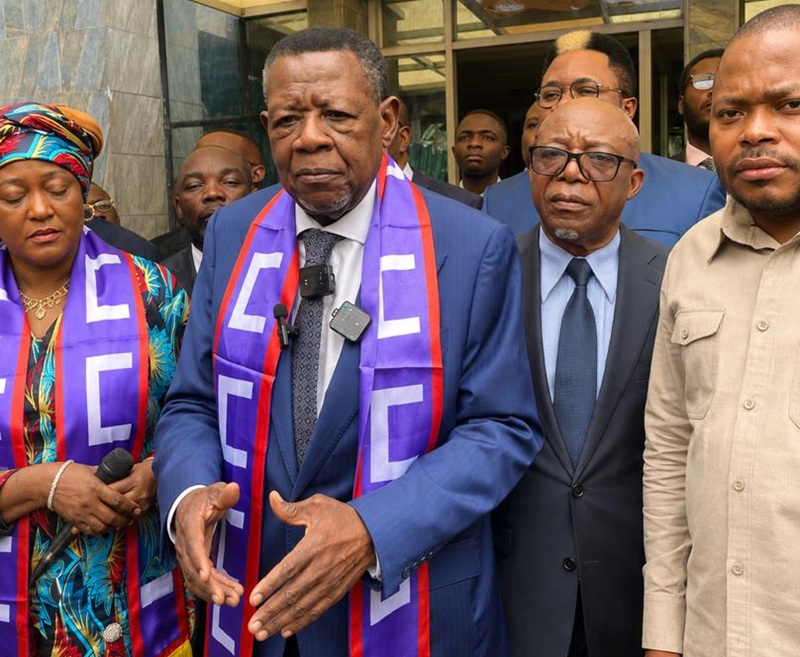
Opposition lawmakers, however, argue that the timing of the referendum debate is deeply inappropriate. Christian Mwando, a member of the Ensemble pour la République parliamentary group, warned that proceeding with the reform could legitimize rebel groups controlling parts of eastern Congo and open the door to unconstitutional constitutional changes.
“The Ensemble parliamentary group calls on the President to halt these initiatives, which risk legitimizing rebellion in the eastern regions of our country. We urge the Congolese people to reject this dangerous project that threatens the very survival of the nation. This process is viewed by the group as a calculated conspiracy against the Constitution of the DRC,” he stated.
Protests and counter-protests announced
Aimé Boji Sangara, President of the National Assembly, clarified that the goal is simply to establish a legal framework allowing citizens to directly voice their opinions on major national issues when conditions permit. Despite the opposition’s withdrawal, the report from the Political, Administrative, and Legal Commission was deemed admissible following amendments.
The political confrontation has now spilled into the streets. Opposition groups have called for a nationwide “stay-at-home” day on June 3 to protest what they perceive as an attempt to revise the Constitution. Meanwhile, supporters of the ruling majority have announced a simultaneous march in Kinshasa and several provinces.